
The foundation for good decoration is properly skimmed walls. Professional plastering throughout Cathedral Quarter that creates flat surfaces, even coverage, and finishes built to last.
Skimming is skilled work that deserves a skilled tradesman, not the cheapest bidder from a platform race to the bottom. When quality matters more than saving twenty quid, direct contact with a proven plasterer makes sense.
There’s a clearer route to great finishes.
One experienced plasterer covers skimming work across Cathedral Quarter. Direct contact eliminates platform delays — you speak to the tradesman who’ll actually transform your walls into smooth, paintable surfaces.
Professional skimming addresses different surface needs. Damaged areas requiring patching need careful blending, full walls need consistent application, and ceilings need appropriate technique — skilled assessment leads to quality outcomes.
Check the information below and see if it matches what you’re dealing with. If it does, we’re ready to help — just get in contact. If not, that’s fine — thanks for taking a look.

Flawless wall finishes require professional skimming from tradesmen who understand surface preparation and application technique. Rough walls, patchy repairs, and textured surfaces transform into smooth canvases ready for paint or paper. Quality materials, proper preparation, and skilled application combine to create lasting results — walls that stay flat, take decoration evenly, and look professionally finished.
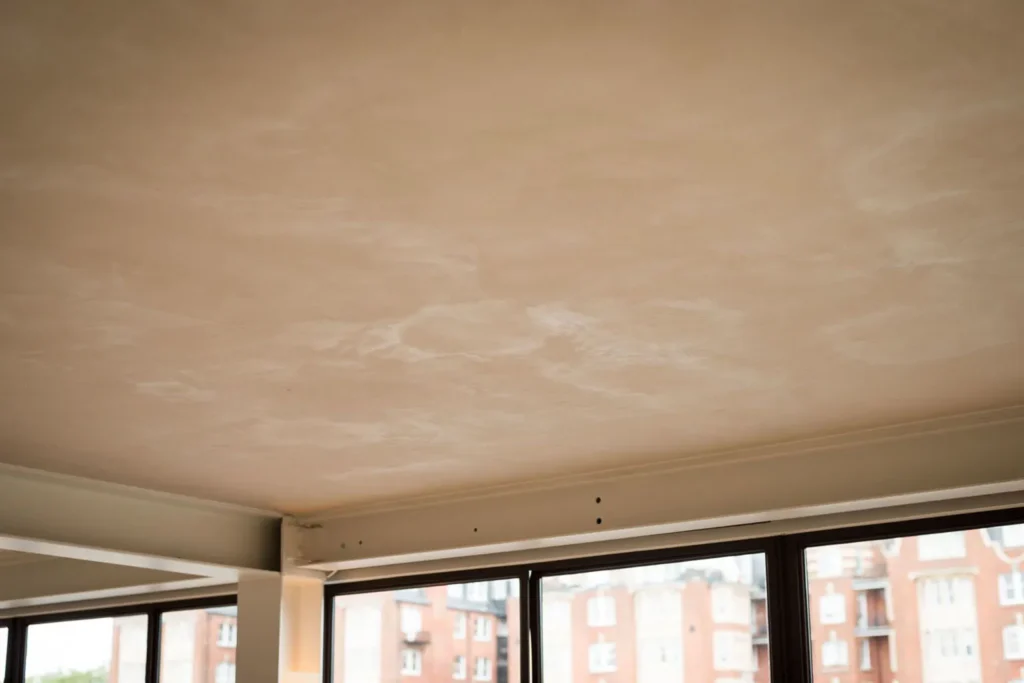
Professional ceiling finishes start with expert skimming that transforms rough or textured surfaces. Outdated Artex, damaged plaster, and uneven areas disappear beneath smooth skim coats applied by skilled tradesmen. Working overhead requires specific technique and experience — delivering flat ceilings that reflect light evenly and make rooms feel fresh.

Blending plaster repairs requires professional technique that makes patches invisible on finished walls. Damage from various causes — impacts, removed fittings, cables, cracks — gets properly prepared and skim coated to match existing surfaces. Careful feathering and texture matching ensure seamless results ready for any decorative treatment.
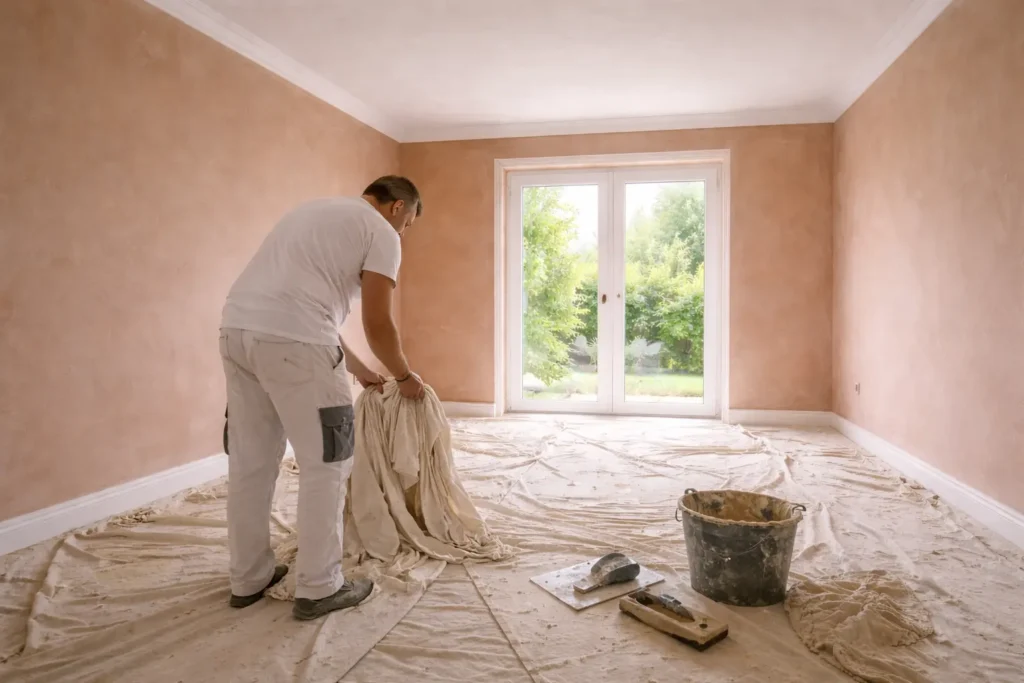
Finishing new plasterboard creates the smooth walls your extension or conversion deserves. Professional taping hides joints invisibly, while quality skim coats deliver decoration-ready surfaces throughout. Skilled plasterers work systematically — proper preparation, consistent application, clean finishing — transforming raw boards into flawless living spaces ready for decorating.
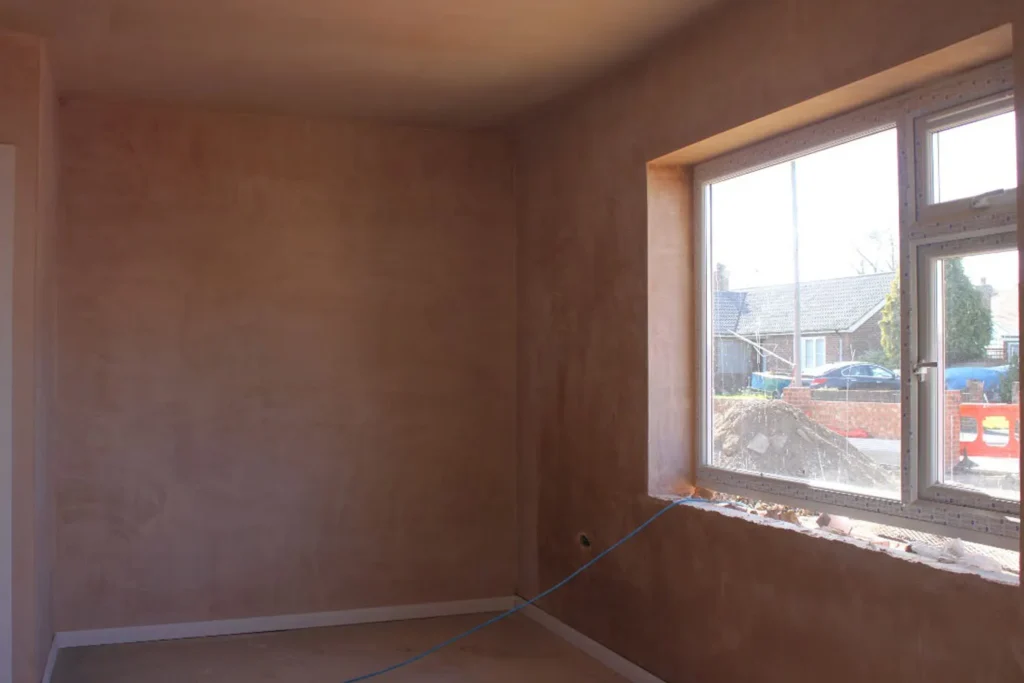
Full room plastering unifies surfaces with consistent smooth finishes across walls and ceilings together. Comprehensive re-skimming eliminates texture variations and patchy areas — delivering seamless results throughout. Skilled tradesmen work room by room, ensuring even quality and professional finishing that transforms spaces completely.
Skimming looks easy until you try it yourself. Here’s the trade knowledge behind our consistently smooth finishes across Cathedral Quarter.
Properties near High Grantley village tend toward solid nine-inch walls with lime plaster. Toward St Marys Church you hit more cavity construction with gypsum. Out near Country lanes near High Grantley the estates are mostly board. Knowing Cathedral Quarter’s building history makes preparation instinctive.
Blown plaster that sounds hollow, old distemper that kills adhesion, suction differences between old and new surfaces — these problems sink skimming jobs. We identify them first throughout Cathedral Quarter, fixing foundations before applying finishes.
For the most part stone farmhouses and traditional cottages make up most of Cathedral Quarter, typically with 2.2m to 2.5m (7.2ft – 8.2ft) ceilings. Those building types share common features — similar construction eras, comparable materials, predictable issues. Understanding the patterns improves every job.
When you get in touch, the tradesman answers — same person who’ll assess your surfaces and apply the skim coats. Conversations about wall condition, preparation needs, and finishing standards happen with someone qualified to give proper answers.
Initial questions establish the scope — surface types, room count, known problems, finish expectations. The plasterer uses this to plan assessment requirements, then schedules a convenient visit to inspect walls properly and quote accurately.
Site visits involve systematic surface reading — checking soundness, testing absorption, identifying weak spots, noting previous repairs. Preparation needs get explained clearly. Pricing matches actual wall condition, not generic estimates.
Jobs get completed properly — thorough preparation, consistent application, finishing while timing allows. Work areas receive full protection, and thorough tidying follows completion. You receive specific guidance about drying requirements, mist coating, and when full decoration can begin.
The common skimming questions — how surfaces get prepared, how long jobs take, when painting can happen. Straight answers, kept simple.
Room duration depends on starting conditions. Sound walls in a standard bedroom complete in a day. Add preparation complications, ceiling work, or surface repairs, and timing stretches. Assessment identifies genuine requirements, enabling realistic scheduling.
Stripping depends on what’s there already. Firmly attached plaster in good condition skims over directly. Hollow-sounding blown areas need removing. Thick multi-coat buildup sometimes requires stripping back. Wall assessment reveals which approach your surfaces need.
Skim coats are thin finish applications — typically 2-3mm — creating smooth walls over existing surfaces. Plastering includes heavier work like base coats, render, or building thickness on bare masonry. Most domestic re-finishing involves skimming rather than complete replastering.
Some painted surfaces skim directly, others don’t. Matt emulsion over good plaster can receive skim after keying preparation. Gloss, silk, or multiple thick coats create adhesion failures — often requiring removal or bonding coat application. Assessment identifies requirements.
New plaster needs drying time before paint. Surface usually appears dry within 2-4 days, but complete curing takes 2-3 weeks depending on thickness and ventilation. Mist coat with watered-down emulsion before proper painting — rushing risks adhesion failures.
Fill out the form or call now to speak directly to the plasterer covering your area. No call centres, no delays – just clear answers and fast action.
Your details are safe – we only use them to respond to your enquiry
Coverage includes all locations throughout Cathedral Quarter. Quality finishes from plasterers who understand local properties — construction eras, surface types, preparation requirements — not guesswork.