
Walls that take paint properly start with proper skimming. Flat, smooth finishes across Camber — preparation done right, coats applied evenly, surfaces ready for whatever decoration you’re planning.
When you need professional skimming, the traditional platform route adds unnecessary steps. List the job, wait for responses, compare quotes, check reviews, make a decision — all while your walls sit there looking rough. Simpler is better.
Quality plastering needs a different approach.
Camber has one dedicated plasterer handling skimming. Direct contact means no delays — you speak to the tradesman who’ll assess your walls, provide honest pricing, and deliver professional results.
Skimming requirements vary between properties. Victorian solid walls behave differently than modern plasterboard, and each surface type needs appropriate preparation and application — recognising these differences ensures professional finishes throughout.
Take a look at what we do below. If you think we’re a good match for your walls, get in touch. If not, no hard feelings — thanks for stopping by.

Professional wall skimming delivers the smooth finish that transforms how rooms look and feel. Rough plaster, textured surfaces, and patchy walls disappear beneath expertly applied skim coats, creating perfect bases for paint or wallpaper. Experienced plasterers prepare surfaces properly, apply consistent coverage, and finish to high standards — leaving walls flat, smooth, and ready for whatever decorative finish you choose.
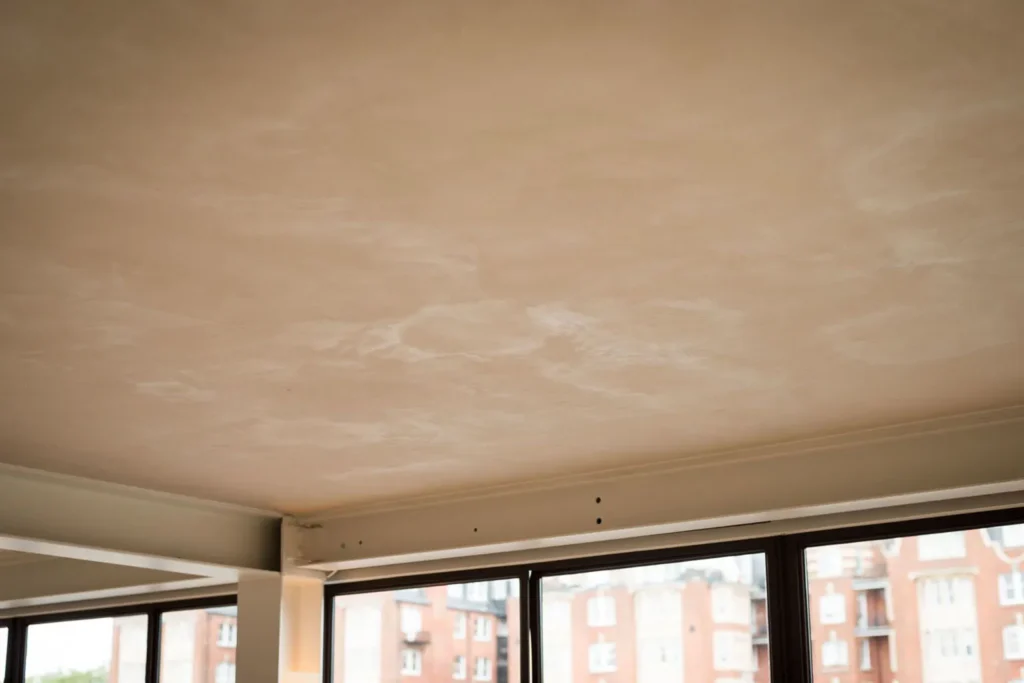
Ceiling skim coats create clean, modern overhead finishes that brighten rooms and update tired interiors. Old Artex, damaged plaster, and uneven surfaces vanish beneath professional skimming applied by experienced tradesmen. Quality preparation, skilled application, and attention to detail ensure ceilings that look right and stay smooth for years.

Seamless repair skimming fixes wall damage efficiently and invisibly. Removed radiator marks, old TV mounting holes, cracked sections, and impact damage respond to professional patching that blends perfectly. Experienced plasterers prepare surfaces correctly, match textures accurately, and finish so patches disappear — walls restored without full re-skim costs.
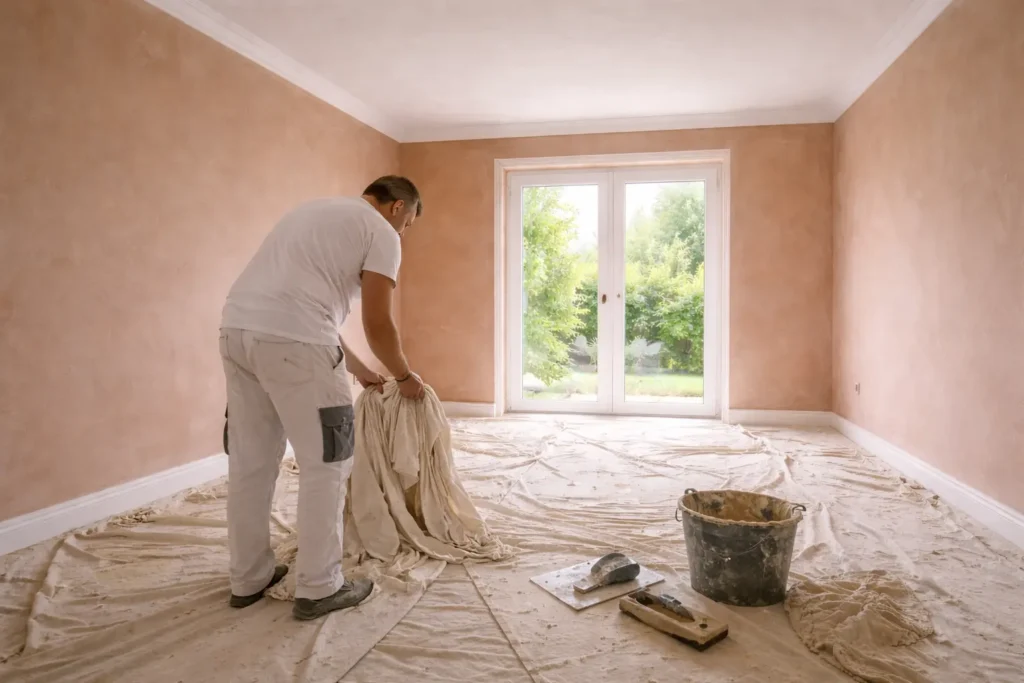
Expert new build finishing transforms plasterboard into the smooth, professional surfaces your project deserves. Extensions, garage conversions, and renovation work all require skilled taping, jointing, and skimming to create seamless walls and ceilings. Quality workmanship ensures lasting results — no visible joints, no future cracking, just flawless finishes throughout.
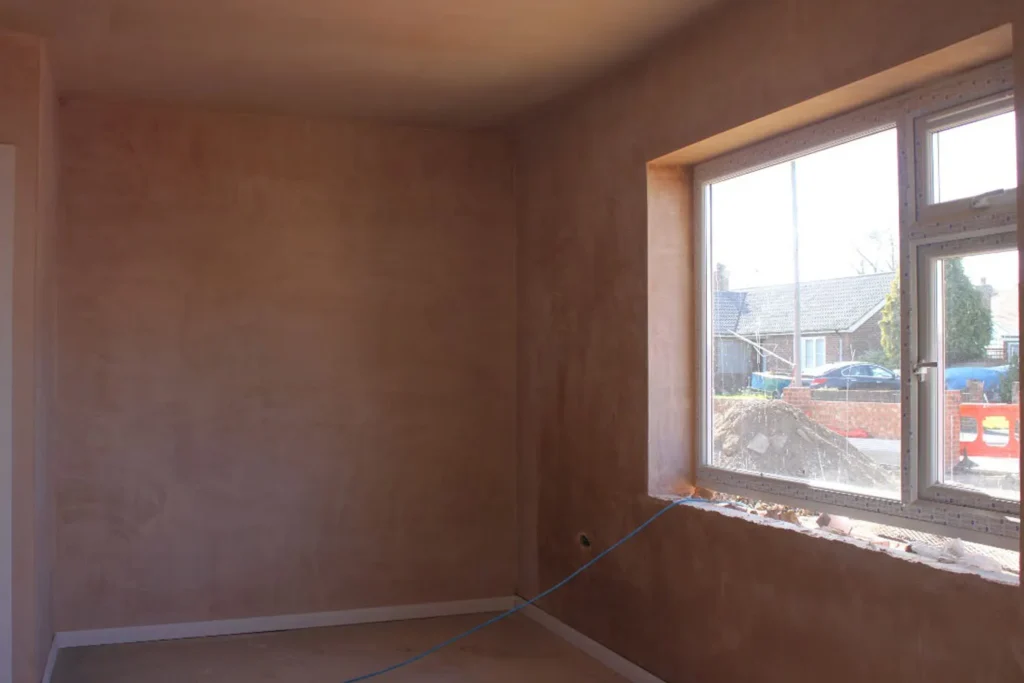
Whole room plastering creates consistent smooth surfaces across walls and ceilings together. When multiple areas need work, full re-skimming delivers unified finishes throughout — same texture, same quality, seamless results everywhere. Professional tradesmen work efficiently through complete rooms, ensuring even coverage and quality finishing that transforms entire spaces.
Plastering is a race against drying time — preparation decides whether you win or lose. Here’s our approach to skimming work throughout Camber.
We’ve opened up walls from Fratton right through to Fratton Park. The surprises reduce over time — you learn where the horse hair plaster sits, which estates used lightweight blocks, where the council did mass re-skims in the eighties. Camber walls become familiar.
Single feature walls, whole room transformations, awkward ceiling repairs, invisible patch blending — each job type brings its own challenges. Consistent quality across Camber comes from adapting methods to match conditions, not applying the same approach everywhere.
The housing stock here — mostly victorian terraces and back-to-back houses, 2.4m to 2.6m (7.9ft – 8.5ft) ceilings — has specific characteristics worth knowing. Typical construction methods, common material choices, predictable weak points. Local focus builds practical understanding.
Contact connects you directly with your local tradesman — the person who’ll inspect your walls and deliver smooth finishes. Questions about surface types, preparation approaches, and expected results get trade answers, not sales responses.
Discussion establishes your starting point — existing surfaces, room requirements, preparation concerns. Site visit gets scheduled for mutual convenience, giving proper time to assess wall condition and provide accurate costs.
Site visits involve proper surface reading — tapping for delamination, checking absorption rates, identifying weak spots, noting previous work quality. You understand preparation requirements before committing. Quotes match actual wall condition.
Jobs proceed methodically — surface prep, plaster application, skilled finishing. Protection covers surrounding areas throughout work. Complete tidying follows. You receive practical guidance about drying times, emulsion misting requirements, and decoration scheduling.
Practical questions deserve practical answers — preparation requirements, job duration, drying times. Here’s what you need to know about skimming work.
A day covers most bedroom skimming when surfaces behave. Walls requiring bonding, extensive repairs, or previous coat removal add significant time. Ceilings alongside walls extend schedules. You’ll receive realistic duration estimates after wall assessment.
Some do, some don’t — existing condition decides. Sound plaster gets keyed and skimmed over. Hollow-sounding blown areas need removing. Multiple heavy coats might require stripping back. Assessment reveals what preparation your surfaces genuinely require.
Skimming means applying thin finish coats — usually 2-3mm — over existing prepared surfaces. Plastering includes heavier work like base coats on brick, render application, or building thickness. Home re-skimming typically involves thin finish coats over existing plaster, not full plastering systems.
Paint type and condition determine approach. Light matt emulsion on sound plaster can take skim after keying. Heavy paint buildup, gloss finishes, or silk coatings cause bonding problems — typically requiring stripping or bonding coat application. Assessment identifies what preparation your painted surfaces need.
Standard skimming dries surface-ready within 2-4 days typically, though full curing extends to 2-3 weeks. Mist coat application first — watered-down matt emulsion sealing porous surfaces — then proper decoration. Insufficient drying causes paint failures.
Fill out the form or call now to speak directly to the plasterer covering your area. No call centres, no delays – just clear answers and fast action.
Your details are safe – we only use them to respond to your enquiry
Skimming services cover all areas throughout Camber. Local plasterers who understand the housing stock — Victorian lime, post-war gypsum, modern board — and what preparation each property type actually needs.