
The finish shows the skill — and rushed work shows too. Quality skimming throughout Parkstone from plasterers who understand preparation, timing, and what makes skim coats last.
Posting skimming jobs online generates responses but not necessarily the right ones. Some quote low to win work then find extras, others quote high hoping you won’t check. Working directly with an established tradesman avoids the games.
Our skimming service cuts out the noise.
One experienced plasterer covers Parkstone, and you speak to them directly. No competing quotes, no call centres — just a clean route to the person who’ll skim your walls and deliver smooth, lasting finishes.
Skim coat plastering suits different purposes. Finishing new extensions differs from refreshing tired rooms, and each situation needs its own preparation approach — identifying what’s required ensures smooth, durable surfaces ready for decoration.
Read the breakdown below and decide if we handle your type of skimming. If we do, get in contact and we’ll respond promptly. If we don’t, that’s fine — appreciate you stopping by.

Wall skimming services cover everything from single feature walls to complete room transformations. Damaged plaster, rough textures, and uneven surfaces all respond to professional re-skimming that creates smooth, consistent finishes. Experienced plasterers match existing textures where needed, blend repairs invisibly, and deliver walls that make decorating straightforward and results impressive.
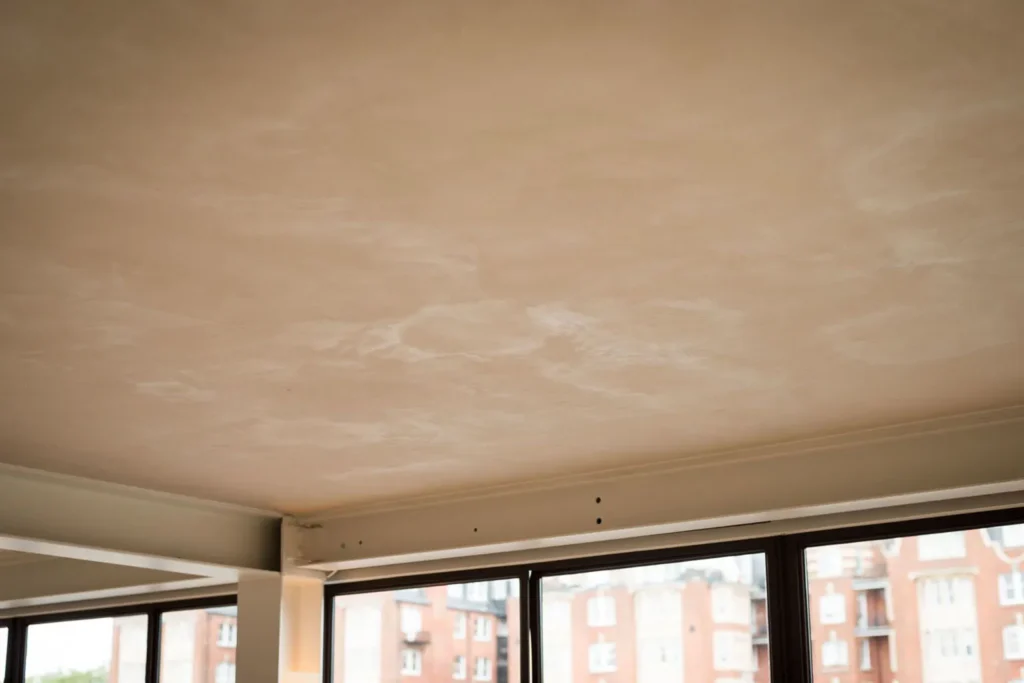
Ceiling skimming creates smooth, flat overhead surfaces that transform how rooms look and feel. Textured ceilings, Artex patterns, and damaged plaster disappear beneath professional skim coats applied by experienced plasterers. Working overhead requires specific technique — consistent coverage, proper drying between coats, and seamless finishing — delivering ceilings that reflect light evenly and make rooms feel fresh and modern.

Blending patch repairs into existing plaster takes skill that professional plasterers develop over years. Visible damage gets properly filled, keyed, and skim coated with careful attention to edges and texture matching. Seamless feathering ensures patches disappear completely — walls restored to consistent smooth finishes ready for decoration without full re-skimming costs.
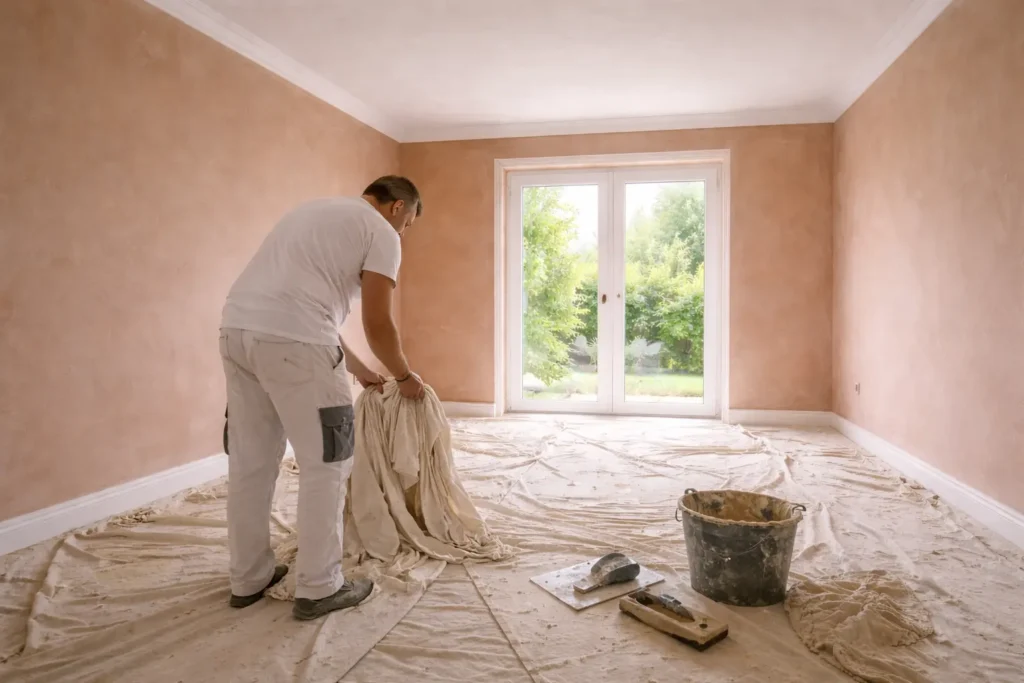
Finishing freshly boarded walls takes specialist skill that professional plasterers apply to extensions and conversions. Taped joints disappear beneath smooth skim coats, creating seamless surfaces ready for paint or paper. Quality preparation and application ensure lasting results — no visible joins, no corner cracking, just flawless finishes that make new spaces feel complete.
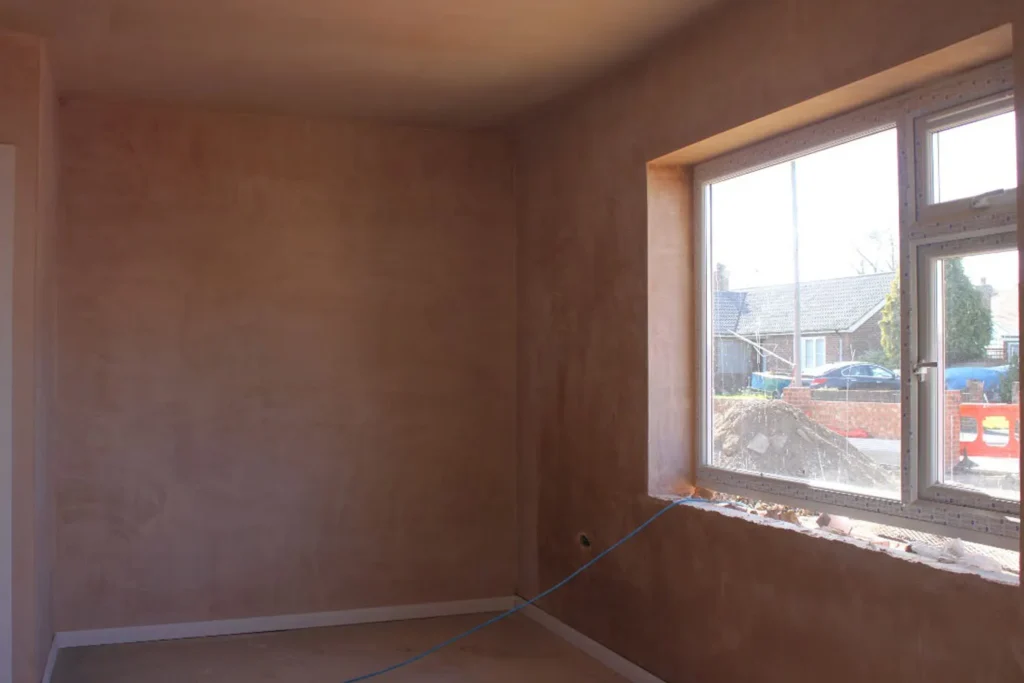
Full room skimming creates fresh, unified spaces with consistent smooth finishes across all surfaces. Comprehensive coverage ensures walls and ceilings match perfectly — no texture variations, no patchy areas, just seamless results throughout. Professional plasterers transform rooms completely, delivering even quality that makes decorating effortless.
Picking a plasterer for skimming isn’t straightforward — prices vary, quality varies, and you can’t see the difference until paint goes on. Here’s what we offer across Parkstone.
Experience across Parkstone — Alderney Hospital, Poole Stadium, Wimborne Road — builds a mental map of what’s behind the paint. Bay-fronted houses usually mean lath and lime. Pebbledash semis mean sand and cement render. That knowledge speeds up assessment and prevents preparation mistakes.
Full house re-skims with ten different surface types, single ceiling patches that must match perfectly, new extension boards needing seamless connection to existing walls — every job across Parkstone brings unique preparation requirements.
Most Parkstone homes are 1930s detached or post-war housing with 2.5m to 2.7m (8.2ft – 8.9ft) ceilings. Working continuously on these property types develops pattern recognition — spotting preparation requirements quickly based on accumulated experience.
Enquiries go straight to the plasterer covering Parkstone — no booking team guessing at job requirements. You talk walls, surfaces, and preparation with someone who understands the difference between a quick re-skim and a full strip-back job.
They’ll ask practical questions — what’s on the walls now, how many rooms, any known problems. Assessment timing gets arranged based on availability, ensuring proper site evaluation before providing detailed quotations.
Wall inspection covers everything relevant — structural soundness, surface adhesion, previous repair quality, moisture levels. The plasterer explains preparation needs in plain terms. Pricing reflects what your walls actually require, not generic per-metre rates.
Work gets completed to standard — proper preparation stages, quality application, careful finishing technique. Dust sheets go down, cleanup follows completion. You’ll know about drying requirements, mist coat application, and when surfaces are ready for full decoration.
The same queries come up before most skimming jobs — surface preparation, job duration, drying periods. Here’s the no-nonsense answers.
A day covers most bedroom skimming when surfaces behave. Walls requiring bonding, extensive repairs, or previous coat removal add significant time. Ceilings alongside walls extend schedules. You’ll receive realistic duration estimates after wall assessment.
Stripping isn’t always necessary — wall condition dictates preparation. Sound plaster receives skim directly over existing surfaces. Hollow sections, loose coats, or thick buildup need removing first. Assessment reveals what your walls genuinely require.
Skimming applies thin finish coats over existing surfaces — typically 2-3mm thickness creating smooth, paintable walls. Plastering involves thicker applications — base coats on bare brick, render layers, or building up depth where needed. Most domestic re-finishing work involves skimming over existing plaster rather than full plastering from scratch.
Paint condition affects preparation significantly. Matt emulsion over good plaster takes skim after proper keying. Gloss finishes, silk coatings, or thick paint layers prevent adequate adhesion — typically requiring removal or bonding treatment. Assessment determines your needs.
Allow 2-4 days minimum for surface drying in well-ventilated rooms, longer for complete curing. New plaster needs mist coat first — diluted matt emulsion seals the porous surface for proper paint adhesion. Rushing decoration risks peeling and blistering.
Fill out the form or call now to speak directly to the plasterer covering your area. No call centres, no delays – just clear answers and fast action.
Your details are safe – we only use them to respond to your enquiry
We handle skimming work across the whole of Parkstone. Plasterers familiar with local construction eras, typical wall conditions, and the preparation approaches that deliver smooth, lasting finishes on these specific properties.