
Smooth finishes that last start with understanding the surface beneath. Proper skimming throughout Chapel End — walls assessed, prepared correctly, coated evenly, finished while timing allows.
Getting clean, smooth walls shouldn’t involve managing a procurement process. The big platforms turn simple skimming jobs into comparison exercises that waste your time. One phone call to a trusted tradesman gets better results faster.
There’s a clearer route to great finishes.
One reliable plasterer handles skimming across Chapel End. Your call or form goes straight to the person who’ll actually do the work at your home — no intermediaries, no quote comparisons, just direct professional contact.
Professional plastering encompasses various skimming scenarios. Patch repairs blending into existing surfaces need precision, full re-skims need consistency, and each job benefits from understanding the surface conditions before work begins.
Check through the service details below to see if we’re suited to your job. If yes, reach out — we’ll get back quickly. If no, that’s completely fine — good luck with your project.

Re-skimming walls removes years of imperfections and creates fresh, smooth surfaces throughout your property. Old wallpaper damage, filled holes, patchy repairs, and uneven textures vanish beneath professional skim coats applied by skilled tradesmen. Proper preparation, quality materials, and careful technique ensure lasting results — walls that stay smooth, take paint evenly, and look professionally finished for years.
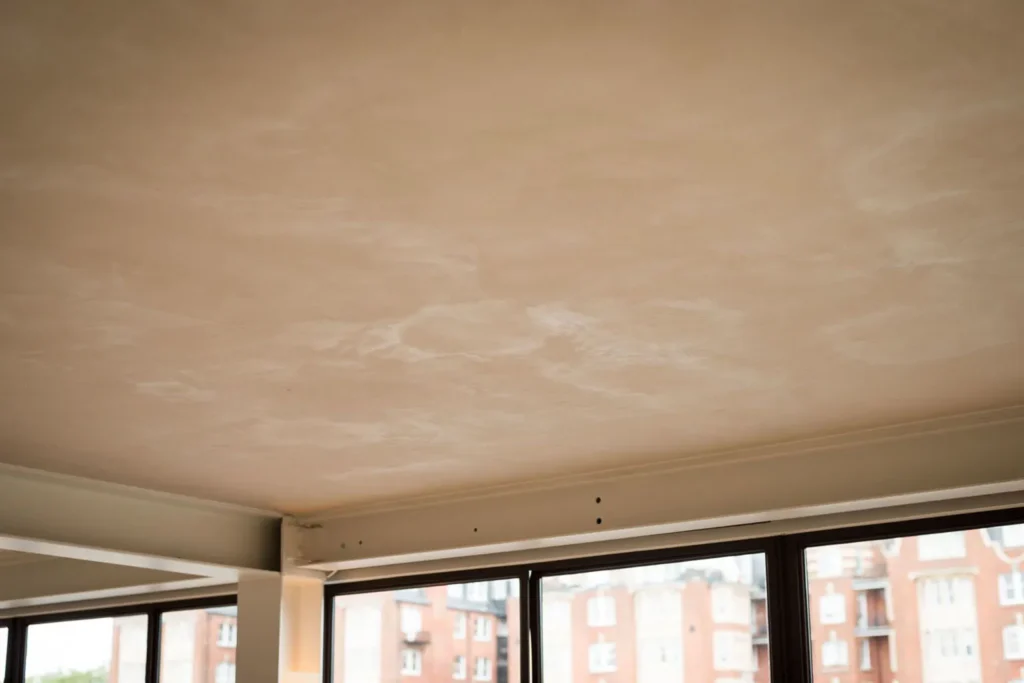
Expert ceiling plastering creates flawless overhead surfaces that reflect light evenly and make rooms feel larger. Damaged, textured, or outdated ceilings transform under professional skim coats applied with skill and experience. Consistent coverage, clean edges at coving, and smooth finishing throughout — ceilings that look right and make decorating effortless.

Patch repair skimming blends seamlessly into existing surfaces, making damage invisible without re-plastering entire walls. Holes, cracks, dents, and damaged sections get properly filled, keyed, and skim coated to match surrounding plaster exactly. Skilled plasterers feather edges, match textures, and finish patches so they disappear completely — repairs that stay hidden under any decorative finish you apply.
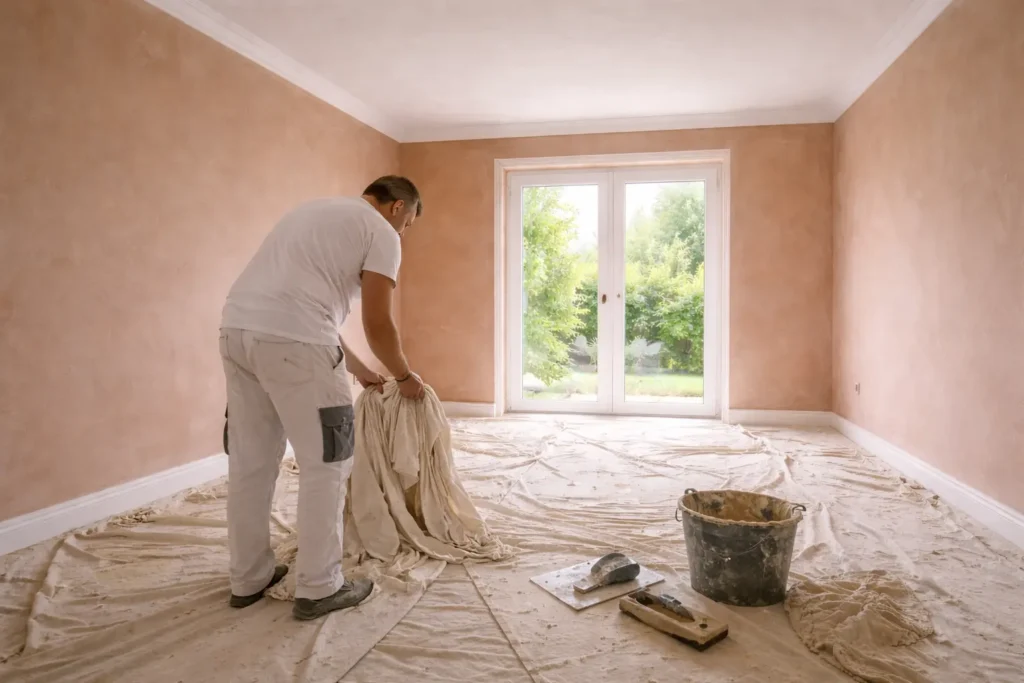
New extension finishing requires quality plastering that transforms raw plasterboard into smooth living spaces. Professional taping, jointing, and skim coating create seamless walls and ceilings throughout your project. Experienced tradesmen work systematically — proper joint preparation, consistent application, clean finishing — delivering results that complete your build to high standards.
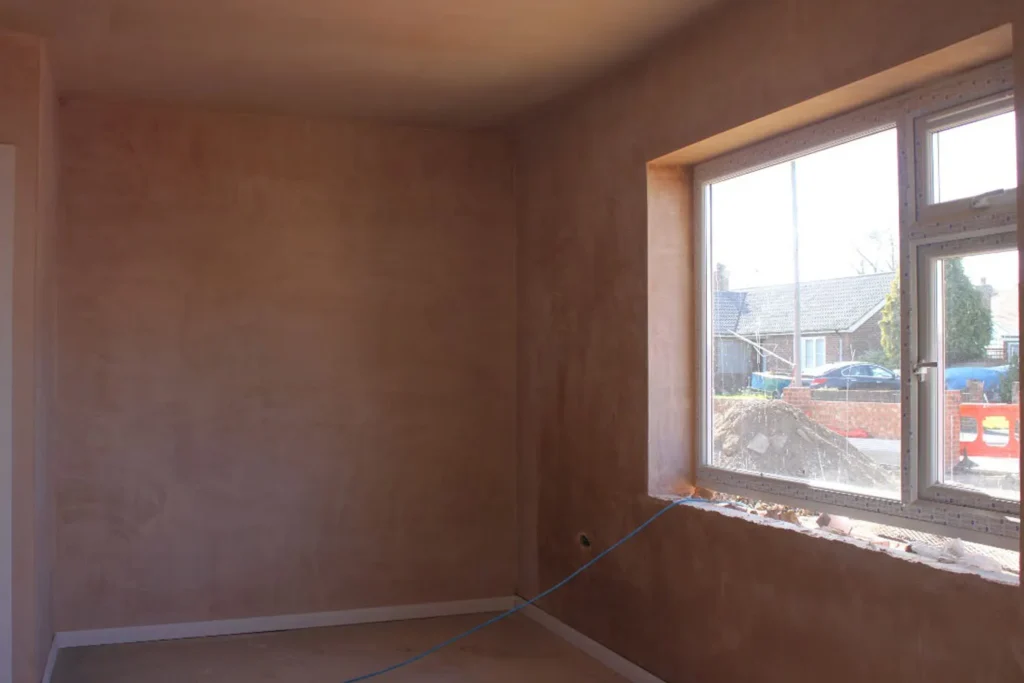
Whole room skimming creates unified smooth finishes that transform how spaces look and feel. Complete wall and ceiling coverage ensures consistent quality throughout — no patchy repairs, no texture mismatches, just seamless results everywhere. Professional plasterers work systematically, delivering even coverage and clean finishing that makes decorating effortless.
Two plasterers can quote the same job — one leaves glass, the other leaves waves. Here’s what drives the difference in our work throughout Chapel End.
Properties around Ansley Village were mostly built pre-war — lime plaster, lath ceilings, solid walls. Near Ansley Common the fifties estates dominate. Toward St Lawrence Church it’s newer construction. Each era across Chapel End needs different preparation approaches.
New plasterboard drinks moisture unevenly, old lime plaster grabs too fast, painted surfaces reject bonding — preparation solves each problem differently. Skimming success across Chapel End starts with understanding what you’re coating.
Typical Chapel End homes feature stone cottages and village houses construction, 2.3m to 2.6m (7.5ft – 8.5ft) ceiling heights. Years working on this exact property mix means preparation becomes intuitive — recognising conditions that cause problems and addressing them automatically.
Calls and forms go straight to your area’s tradesman — no filtering through people who’ve never held a trowel. You get honest conversation about wall types, preparation needs, and what quality skimming actually requires.
They’ll ask about existing conditions — wall types, current finishes, room layouts, any visible problems. This information shapes the site visit, which gets scheduled for convenient timing to properly assess preparation needs and provide clear pricing.
Site visits mean proper surface evaluation — checking adhesion, testing suction, spotting failures, assessing previous work. Preparation requirements get explained clearly. Pricing based on what your walls genuinely need, not generic assumptions.
Jobs proceed methodically — surface prep, plaster application, skilled finishing. Protection covers surrounding areas throughout work. Complete tidying follows. You receive practical guidance about drying times, emulsion misting requirements, and decoration scheduling.
People booking skimming want practical details — what’s involved, how long it takes, what happens after. Straight answers here, kept simple.
Completion time depends heavily on wall condition. Average bedroom on sound plaster takes roughly a day. Poor surfaces needing preparation work take longer — sometimes considerably. Ceiling work adds time. Assessment reveals what your walls actually require.
Not necessarily — existing condition dictates preparation. Sound plaster gets keyed and coated over. Blown sections need removing before re-coating. Heavy buildup from previous plastering might need stripping. Assessment identifies genuine requirements rather than assuming worst-case.
Skimming means applying thin finish coats — usually 2-3mm — over existing prepared surfaces. Plastering includes heavier work like base coats on brick, render application, or building thickness. Home re-skimming typically involves thin finish coats over existing plaster, not full plastering systems.
It depends on paint type and buildup. Thin matt emulsion can receive skim after surface keying. Heavy coatings, gloss finishes, or silk paint cause bonding failures — usually requiring stripping or adhesion agent application. Assessment identifies specific requirements.
Drying depends on thickness, ventilation, temperature. Surface usually ready within 2-4 days for mist coating, complete curing takes longer. Diluted emulsion first seals new plaster properly. Early decoration causes adhesion problems.
Fill out the form or call now to speak directly to the plasterer covering your area. No call centres, no delays – just clear answers and fast action.
Your details are safe – we only use them to respond to your enquiry
Skimming work extends across the complete Chapel End region. Local expertise in housing stock characteristics, wall behaviours, and preparation methods that deliver proper results on these surfaces.