
Rough walls transformed into smooth, paintable surfaces. Proper skimming throughout Eastwood — surfaces assessed correctly, prepared thoroughly, finished to standards that show under any light.
The big platforms work for finding options, but too many options creates its own problem. When three plasterers quote different prices for the same skim job, how do you know who’s right? One experienced local tradesman eliminates the guesswork.
Our system prioritises quality over quantity.
Our system is straightforward: one trusted plasterer handles skimming work across Eastwood. When you call or submit a form, it goes straight to them — the same person who’ll turn up and transform your walls.
Skimming requirements vary between properties. Victorian solid walls behave differently than modern plasterboard, and each surface type needs appropriate preparation and application — recognising these differences ensures professional finishes throughout.
Look through the details below to see if we cover your type of work. If it’s a good match, reach out — we’ll respond quickly. If it’s not our area, no worries — appreciate you stopping by.

Wall skimming transforms rough, damaged, or outdated surfaces into smooth, paintable finishes ready for any decoration. Whether following wallpaper removal, covering old Artex, or refreshing tired plasterwork, professional skim coats create flawless walls throughout your home. Skilled application ensures consistent coverage, clean edges around sockets and switches, and durable surfaces that won’t crack or flake — giving rooms a fresh, modern feel that makes decorating effortless.
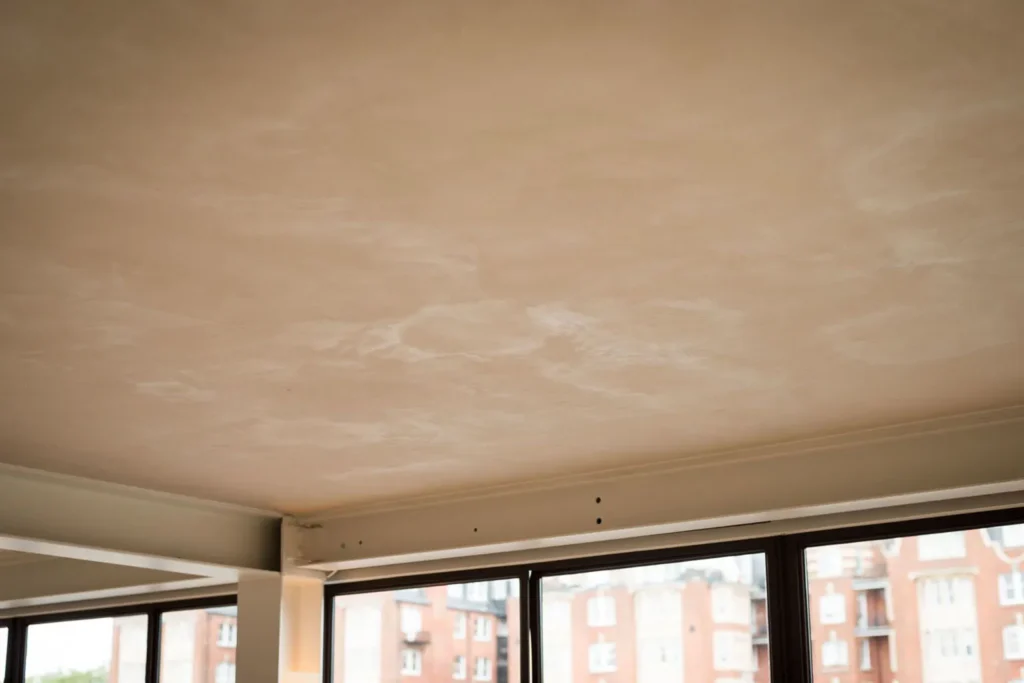
Re-skimming ceilings delivers smooth surfaces that transform room aesthetics completely. Textured patterns, visible repairs, and water staining disappear beneath flat skim coats that reflect light evenly. Professional ceiling work demands specific skills — working overhead, managing materials, finishing seamlessly — delivering results that modernise homes and simplify decorating.

Professional patch skimming restores localised damage without full room replastering. Impact holes, cable chases, and cracked sections respond to targeted repairs that blend perfectly with surrounding plaster. Experienced tradesmen match textures and finishes exactly — patches that disappear completely and save the cost of larger-scale work.
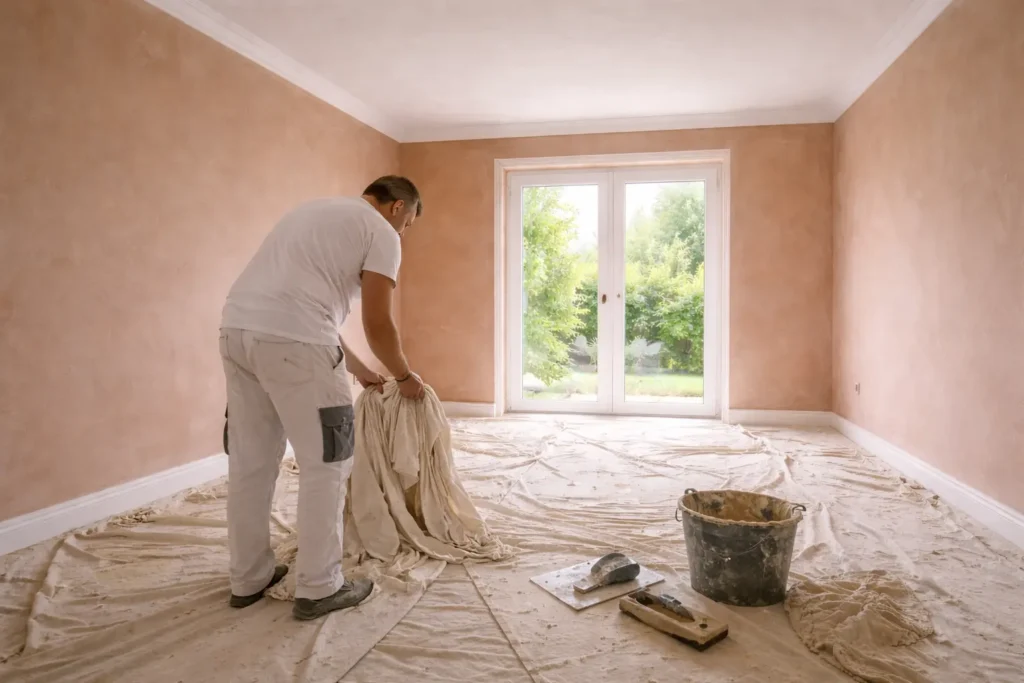
Quality plasterboard finishing completes construction projects with smooth, decoration-ready surfaces throughout. Extensions, loft rooms, and garage conversions all need professional taping and skimming to transform raw boards into finished walls. Skilled plasterers deliver seamless results — invisible joints, consistent coverage, professional finishing — spaces ready for decorating.
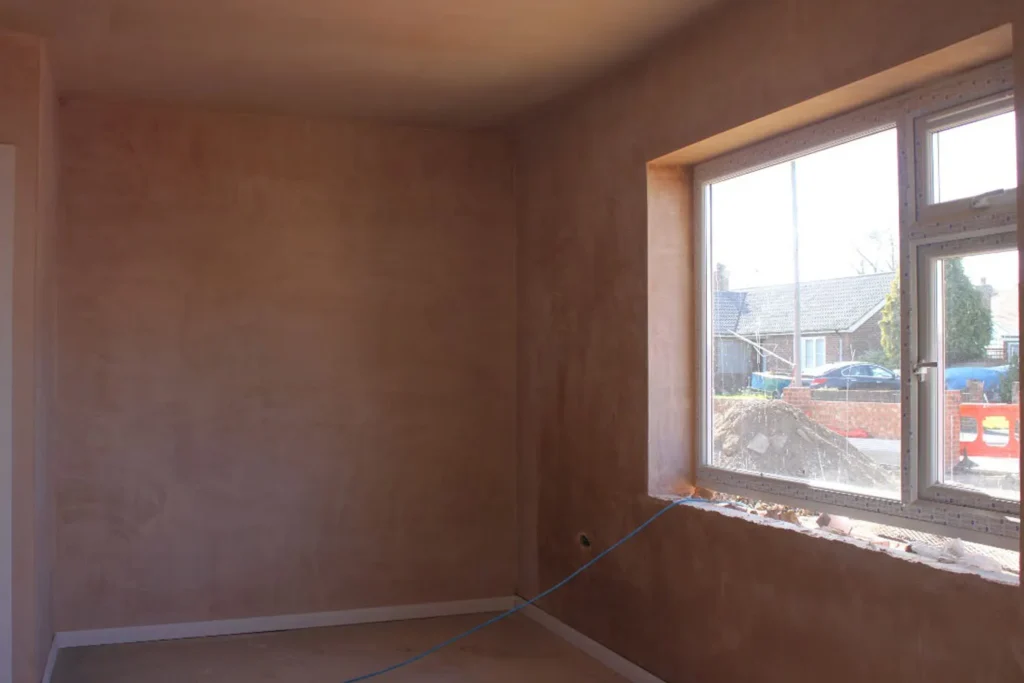
Full room plastering unifies surfaces with consistent smooth finishes across walls and ceilings together. Comprehensive re-skimming eliminates texture variations and patchy areas — delivering seamless results throughout. Skilled tradesmen work room by room, ensuring even quality and professional finishing that transforms spaces completely.
The finish you get depends entirely on who holds the trowel. Here’s the honest breakdown of how we approach skimming work throughout Eastwood.
Experience across Eastwood — Awsworth Village, Former colliery site, Bennerley Viaduct nearby — builds a mental map of what’s behind the paint. Bay-fronted houses usually mean lath and lime. Pebbledash semis mean sand and cement render. That knowledge speeds up assessment and prevents preparation mistakes.
Kitchen walls after tile removal, bedroom ceilings hiding Artex, hallways with a century of wallpaper paste — every surface has history that affects how plaster behaves. We read that history properly across Eastwood before picking up a trowel.
Eastwood housing runs mostly victorian terraced houses and modern houses, ceilings around 2.4m to 2.6m (7.9ft – 8.5ft). Those property types share characteristics — similar wall construction, common problem areas, predictable preparation needs. Experience on this specific stock makes assessment faster and more accurate.
Enquiries go straight to the plasterer covering Eastwood — no booking team guessing at job requirements. You talk walls, surfaces, and preparation with someone who understands the difference between a quick re-skim and a full strip-back job.
First conversation focuses on understanding your walls — what’s on them now, what finish you’re after, how many rooms need attention. Based on that, assessment gets arranged at a time that suits. No pressure, no commitment until you’ve had surfaces checked properly and received clear pricing.
Wall inspection covers practical concerns — is the existing plaster sound, does suction vary, are there damp issues, what’s been done before. You’ll understand preparation requirements clearly. Pricing reflects real surface condition.
Plastering gets completed properly — correct preparation, consistent application, careful finishing. Protection covers work areas throughout, and thorough tidying follows. Clear guidance covers drying stages, when emulsion misting should happen, and realistic decoration timelines.
Skimming questions tend to follow patterns — how’s it done, how long’s it take, when can I decorate. Clear answers below, nothing complicated.
A typical room with reasonable walls takes around a day to complete. Surface condition affects timing more than room size — walls needing stripping, bonding, or extensive prep work add time. Ceiling skimming alongside walls adds half a day typically. Assessment provides accurate scheduling for your specific surfaces.
Not automatically — it depends what’s underneath. Good plaster that’s firmly attached just needs preparing and coating. Problem areas — hollow sections, loose coats, heavy buildup — need stripping. Assessment determines requirements for your specific walls.
Skimming applies thin finish coats over prepared surfaces — creating smooth walls from existing plaster. Plastering includes thicker applications like base coats on bare walls, rendering, or depth building. Typical home re-finishing means skimming over what’s there, not starting from scratch.
Paint type and thickness matter. Light matt emulsion on sound plaster skims after proper keying. Heavy paint buildup, gloss finishes, or silk coatings prevent adequate bonding — typically requiring stripping or specialist treatment. Assessment determines your wall requirements.
New plaster requires proper drying — typically 2-4 days minimum, longer for full curing. Mist coat first using watered-down emulsion to seal surfaces correctly. Decorating too early risks adhesion failures, peeling, and blistering.
Fill out the form or call now to speak directly to the plasterer covering your area. No call centres, no delays – just clear answers and fast action.
Your details are safe – we only use them to respond to your enquiry
Coverage extends across the whole of Eastwood. Quality skimming from plasterers who understand local construction — property ages, original materials, surface types — and what preparation each genuinely requires.