
The foundation for good decoration is properly skimmed walls. Professional plastering throughout Kingston Park that creates flat surfaces, even coverage, and finishes built to last.
The quote-comparison approach works in theory but creates headaches in practice. Three plasterers, three prices, three availability windows — and you’re still not sure who’ll do the best job. Direct access to one reliable professional solves that.
Our approach is more straightforward.
Kingston Park has one dedicated plasterer handling skimming. Direct contact means no delays — you speak to the tradesman who’ll assess your walls, provide honest pricing, and deliver professional results.
Skimming work varies significantly depending on existing conditions. Sound plaster just needs re-coating, compromised areas need stripping back, and new boards need proper preparation — identifying the starting point ensures professional finishes.
See what we handle below and decide if we’re the right people for your job. If yes, contact us and we’ll get things moving. If no, that’s completely fine — thanks for checking.

Expert wall skimming creates lasting smooth finishes that transform tired rooms into fresh, modern spaces. Damaged plaster, rough render, and patchy surfaces respond to professional re-skimming that delivers flat, even walls throughout. Quality preparation, skilled application, and attention to finishing details ensure results that look right, last well, and make decorating simple.
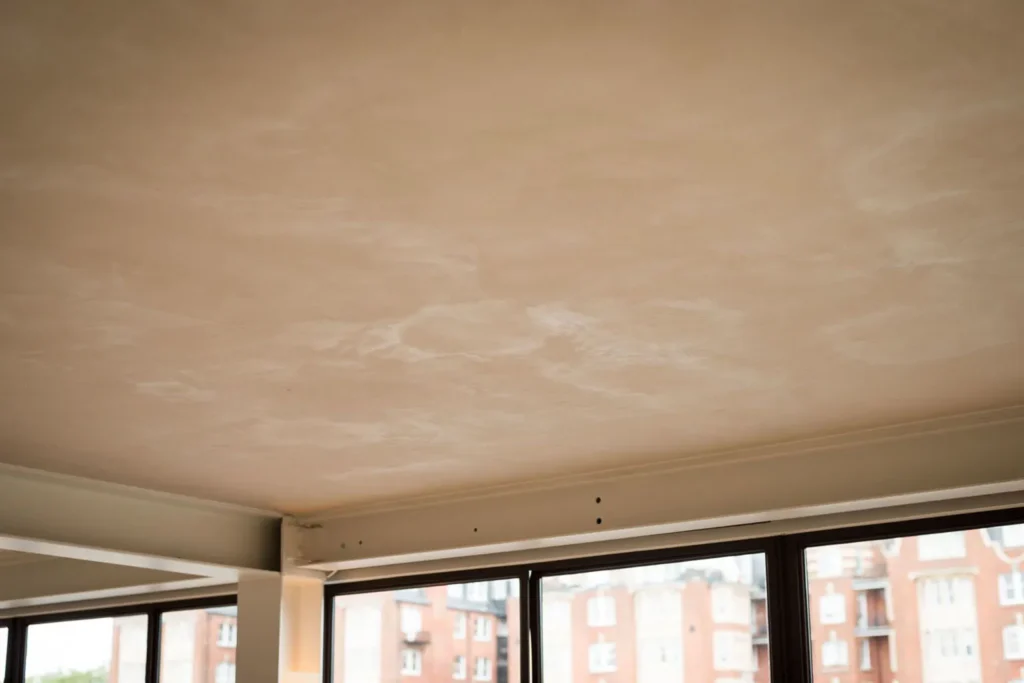
Smooth ceiling finishes require specialist skimming skills that experienced plasterers develop over years of overhead work. Gravity works against ceiling plastering, making technique crucial for consistent, lasting results. Professional skim coats transform textured, damaged, or outdated ceilings into flat surfaces that reflect light evenly — rooms feel brighter, bigger, and more modern.

Professional plaster patching restores damaged sections to original condition without disrupting entire walls. Holes, cracks, and impact damage get filled, prepared, and skim coated to match surrounding surfaces exactly. Skilled blending and feathering ensure repairs become invisible — cost-effective fixes that deliver seamless results ready for any decorative finish.
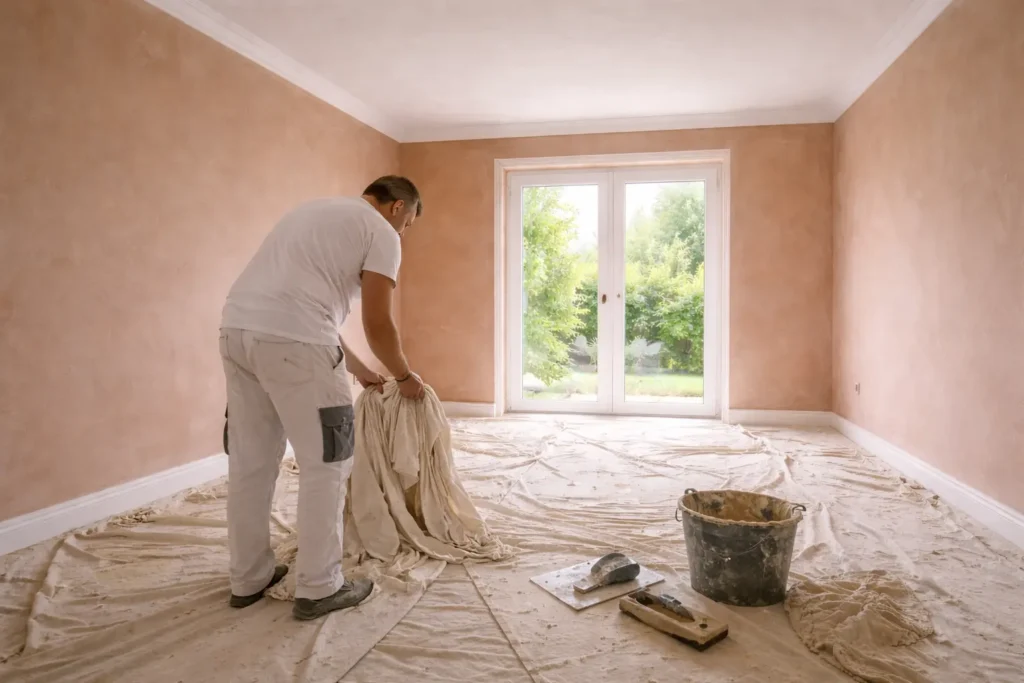
Plasterboard skim finishing creates seamless walls from newly installed boards in extensions and conversions. Professional taping hides joints completely, while quality skim coats deliver smooth surfaces ready for any decorative treatment. Experienced plasterers work methodically — proper preparation, consistent application, clean finishing — transforming raw construction into finished living spaces.
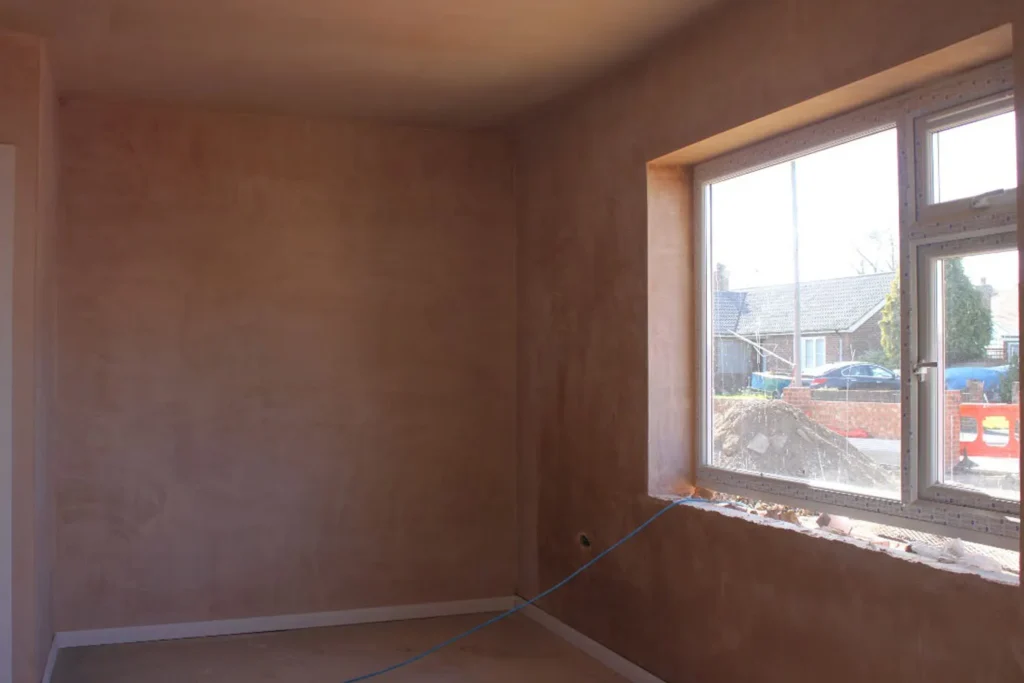
Complete room skimming unifies wall and ceiling finishes for consistent results throughout your spaces. When surfaces need full attention, professional re-plastering delivers smooth coverage everywhere — same quality walls and ceilings, seamless transitions, flawless finishing. Experienced tradesmen work systematically, transforming tired rooms into fresh, decoration-ready spaces.
Plaster forgives nothing — every shortcut shows eventually. Here’s the honest detail on how we work throughout Kingston Park.
Plastering from Kingston Park Stadium to Newcastle Falcons ground and across to Airport nearby for years teaches you what Kingston Park walls are actually made of. The Victorian terraces have lime underneath. The inter-war semis have hard pink gypsum. The estates have lightweight board. Each needs handling differently.
Re-skimming old walls, smoothing over textured ceilings, finishing new extension boards, blending repairs into existing surfaces — different starting points need different approaches. We assess properly before mixing any plaster, ensuring preparation matches what Kingston Park walls actually need.
For the most part modern detached houses and executive estates make up most of Kingston Park, typically with 2.4m to 2.7m (7.9ft – 8.9ft) ceilings. Those building types share common features — similar construction eras, comparable materials, predictable issues. Understanding the patterns improves every job.
Your call reaches the plasterer who’ll actually skim your walls — not an office worker reading from a script. You discuss surface conditions, room layouts, and realistic timelines with someone who’s spent years reading walls and knows what questions matter.
Initial questions establish the scope — surface types, room count, known problems, finish expectations. The plasterer uses this to plan assessment requirements, then schedules a convenient visit to inspect walls properly and quote accurately.
Wall inspection covers practical concerns — is the existing plaster sound, does suction vary, are there damp issues, what’s been done before. You’ll understand preparation requirements clearly. Pricing reflects real surface condition.
Work happens systematically — thorough preparation, even coating, skilled finishing while plaster’s workable. Protection throughout, cleanup after. You’ll know specific drying times, when mist coat application should happen, and how soon full decoration can begin.
Practical questions deserve practical answers — preparation requirements, job duration, drying times. Here’s what you need to know about skimming work.
Room timing reflects preparation requirements more than square metreage. A bedroom with sound walls skims in a day. Add extensive prep, ceiling work, or surface problems, and timing extends. Assessment identifies what your walls actually need, allowing accurate scheduling.
Existing surface quality determines preparation. Well-bonded plaster takes skim coats directly after keying. Problem areas — hollow sections, loose coats, thick buildup — need stripping first. Assessment reveals genuine requirements rather than guessing.
Skimming means applying thin finish coats — usually 2-3mm — over existing prepared surfaces. Plastering includes heavier work like base coats on brick, render application, or building thickness. Home re-skimming typically involves thin finish coats over existing plaster, not full plastering systems.
Depends on what paint and how much. Thin matt emulsion takes skim after keying preparation. Thick layers, gloss finishes, or silk coatings cause adhesion problems — usually requiring removal or bonding agent application. Assessment identifies the right approach for your surfaces.
New skim needs drying time — typically 2-4 days for surface drying, weeks for complete curing. Mist coat first using diluted matt emulsion to seal porous surfaces. Then proper painting follows. Rushing decoration risks adhesion failure and paint defects.
Fill out the form or call now to speak directly to the plasterer covering your area. No call centres, no delays – just clear answers and fast action.
Your details are safe – we only use them to respond to your enquiry
Professional skimming covers all locations across Kingston Park. Local knowledge of housing types, original construction methods, and surface characteristics that affect preparation requirements and finishing quality.