
Rough walls transformed into smooth, paintable surfaces. Proper skimming throughout Crownhill — surfaces assessed correctly, prepared thoroughly, finished to standards that show under any light.
Posting a skimming job on Checkatrade sounds efficient until you’re drowning in callbacks and conflicting quotes. One says £400, another says £800 — same room, same walls. Direct contact with a trusted local plasterer removes the confusion.
There’s a better way to find a plasterer.
Crownhill has one dedicated skimming specialist. When your walls need refinishing, you contact them directly — and that’s who turns up to deliver smooth, paintable surfaces. Simple, reliable, quality-focused.
Professional skimming handles various wall states. Patchy repairs need blending, full rooms need consistent coverage, and ceilings need careful technique to avoid visible joins — experienced assessment determines the right approach for lasting results.
Have a read through the service details below. If it sounds like the right fit for your rooms, give us a call or fill in the form. If it’s not quite what you need, that’s fine — appreciate you taking the time.

Flawless wall finishes require professional skimming from tradesmen who understand surface preparation and application technique. Rough walls, patchy repairs, and textured surfaces transform into smooth canvases ready for paint or paper. Quality materials, proper preparation, and skilled application combine to create lasting results — walls that stay flat, take decoration evenly, and look professionally finished.
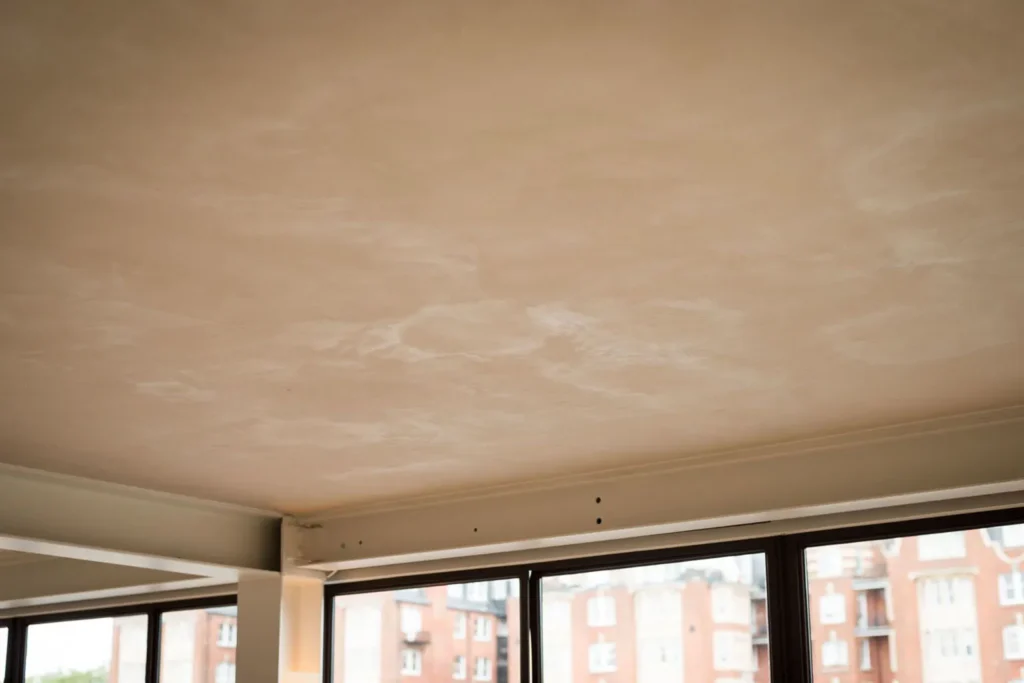
Ceiling re-skimming services cover everything from single rooms to whole-house transformations. Artex removal, water damage repair, and general resurfacing all benefit from professional skimming that delivers smooth, lasting finishes. Experienced plasterers handle overhead challenges efficiently — proper prep, quality application, seamless results — ceilings ready for any decorative treatment.

Professional patch skimming restores localised damage without full room replastering. Impact holes, cable chases, and cracked sections respond to targeted repairs that blend perfectly with surrounding plaster. Experienced tradesmen match textures and finishes exactly — patches that disappear completely and save the cost of larger-scale work.
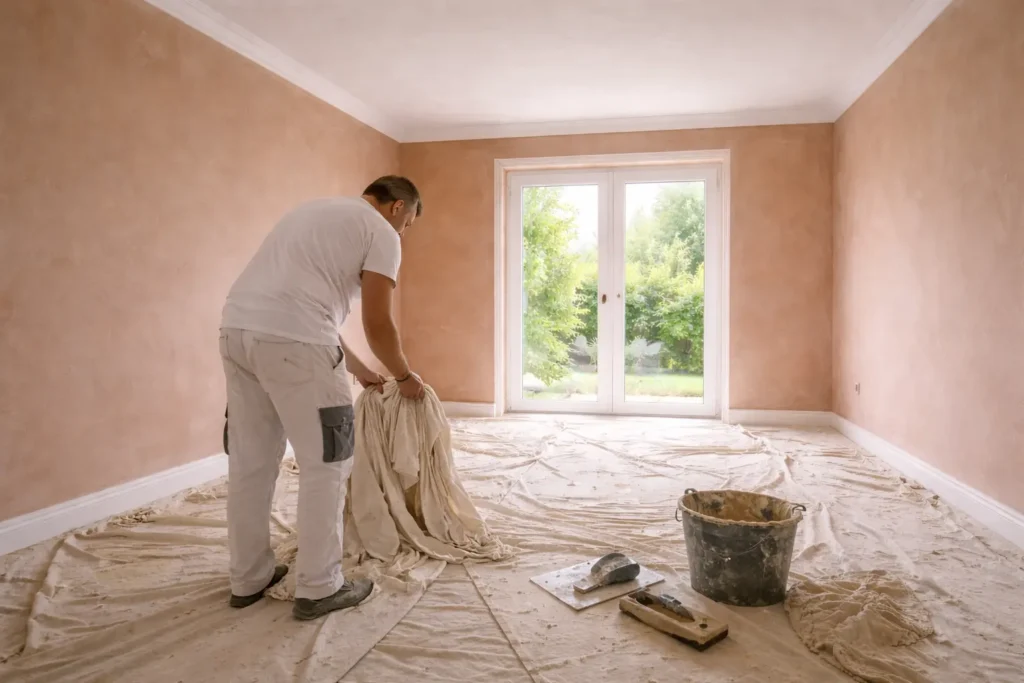
Professional plasterboard plastering finishes new spaces to high standards ready for decoration. Loft conversions, extensions, and new builds need expert joint treatment and skim coating to create smooth, consistent surfaces. Skilled plasterers tape invisibly, apply even coverage, and finish professionally — walls that look right from day one and stay that way.
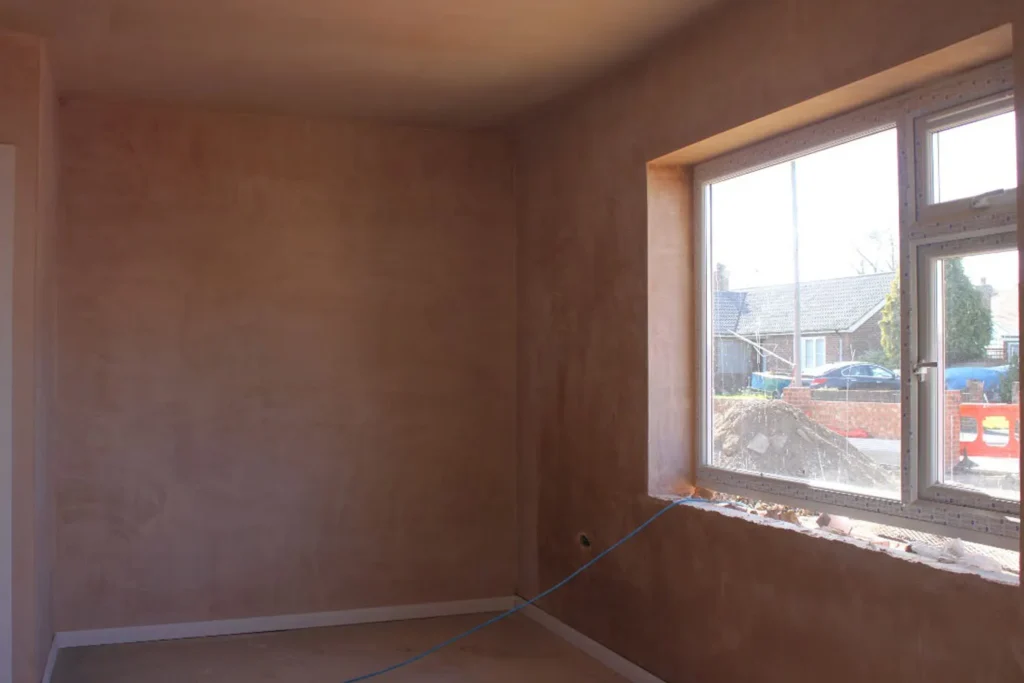
Total room transformation requires full skimming that delivers consistent finishes everywhere. Walls and ceilings get complete professional coverage — no mismatched textures, no visible transitions between old and new work. Experienced plasterers work systematically, creating smooth unified surfaces that make decorating straightforward and results impressive.
Plastering is a race against drying time — preparation decides whether you win or lose. Here’s our approach to skimming work throughout Crownhill.
From Great Holm Primary School to Campbell Park and out to V4 Watling Street, we’ve worked on Crownhill’s full housing range. That teaches you what preparation to expect before arriving — which areas have solid walls, where to expect blown plaster, what the original builders used.
Old lime plaster, modern gypsum, fresh plasterboard, patched areas mixing all three — each responds differently to skim coats. Experience across Crownhill properties means recognising what we’re working on and adjusting technique accordingly.
For the most part modern terraced houses and modern semi-detached houses make up most of Crownhill, typically with 2.4m to 2.5m (7.9ft – 8.2ft) ceilings. Those building types share common features — similar construction eras, comparable materials, predictable issues. Understanding the patterns improves every job.
Your enquiry connects directly to the plasterer serving Crownhill — someone who can discuss surface conditions knowledgeably and explain why some walls need more preparation than others. Real trade conversation from the first contact.
Initial questions establish the scope — surface types, room count, known problems, finish expectations. The plasterer uses this to plan assessment requirements, then schedules a convenient visit to inspect walls properly and quote accurately.
Assessment involves reading walls professionally — tapping, testing, checking, noting. The plasterer identifies preparation requirements and explains them plainly. Quotes reflect actual surface condition rather than optimistic estimates from phone descriptions.
Jobs proceed methodically — surface prep, plaster application, skilled finishing. Protection covers surrounding areas throughout work. Complete tidying follows. You receive practical guidance about drying times, emulsion misting requirements, and decoration scheduling.
The same queries come up before most skimming jobs — surface preparation, job duration, drying periods. Here’s the no-nonsense answers.
Room skimming duration varies with size and surface condition. Average bedroom on decent walls completes in a day. Larger rooms, problematic surfaces, or ceiling work extends timing. Preparation requirements significantly affect duration — walls needing bonding or extensive repairs take longer than straightforward re-skims.
Some walls skim over existing surfaces, others need stripping — condition determines approach. Solid, well-attached plaster just needs keying. Blown areas, failed coats, or excessive thickness require removal. Assessment identifies what’s needed rather than guessing.
Skim coats are thin finish applications — 2-3mm — creating smooth surfaces over existing plaster. Plastering covers broader scope including base coats, render application, depth building on masonry. Most domestic work involves re-skimming rather than complete replastering.
Paint type and condition determine approach. Light matt emulsion on sound plaster can take skim after keying. Heavy paint buildup, gloss finishes, or silk coatings cause bonding problems — typically requiring stripping or bonding coat application. Assessment identifies what preparation your painted surfaces need.
Allow surfaces to dry properly before painting — 2-4 days minimum in ventilated rooms, though complete curing takes 2-3 weeks. Apply mist coat first with watered-down emulsion. Early decoration causes peeling and blistering issues.
Fill out the form or call now to speak directly to the plasterer covering your area. No call centres, no delays – just clear answers and fast action.
Your details are safe – we only use them to respond to your enquiry
Skimming services cover all areas across Crownhill. Local expertise in housing stock characteristics, typical wall conditions, and preparation approaches that create smooth results on these specific surfaces.