
Quality shows through paint — flat walls or rippled, proper prep or rushed. Professional skimming across Skegby that delivers surfaces worth the decoration you’ll put on them.
Skimming quotes vary wildly across platforms because pricing depends on who needs the work. You end up comparing apples with oranges while plasterers compete on price rather than quality. One reliable tradesman with fair, consistent rates makes more sense.
Our approach is more straightforward.
One reliable plasterer handles skimming across Skegby. Your call or form goes straight to the person who’ll actually do the work at your home — no intermediaries, no quote comparisons, just direct professional contact.
Skim plastering covers diverse situations. Kitchen refreshes after tile removal differ from bedroom re-skims, and each room presents unique challenges — proper evaluation ensures appropriate methods and smooth, consistent results.
Read what we do below and work out if it fits your project. If it sounds right, call or send a message. If it’s not quite the service you need, no hard feelings.

Expert wall re-skimming breathes new life into tired rooms by creating fresh, smooth surfaces ready for decoration. Whether walls show years of wear, previous repair attempts, or outdated textures, professional skim coats restore them to pristine condition. Skilled tradesmen ensure even coverage, seamless edges, and durable finishes — walls that stay smooth and make future decorating simple.
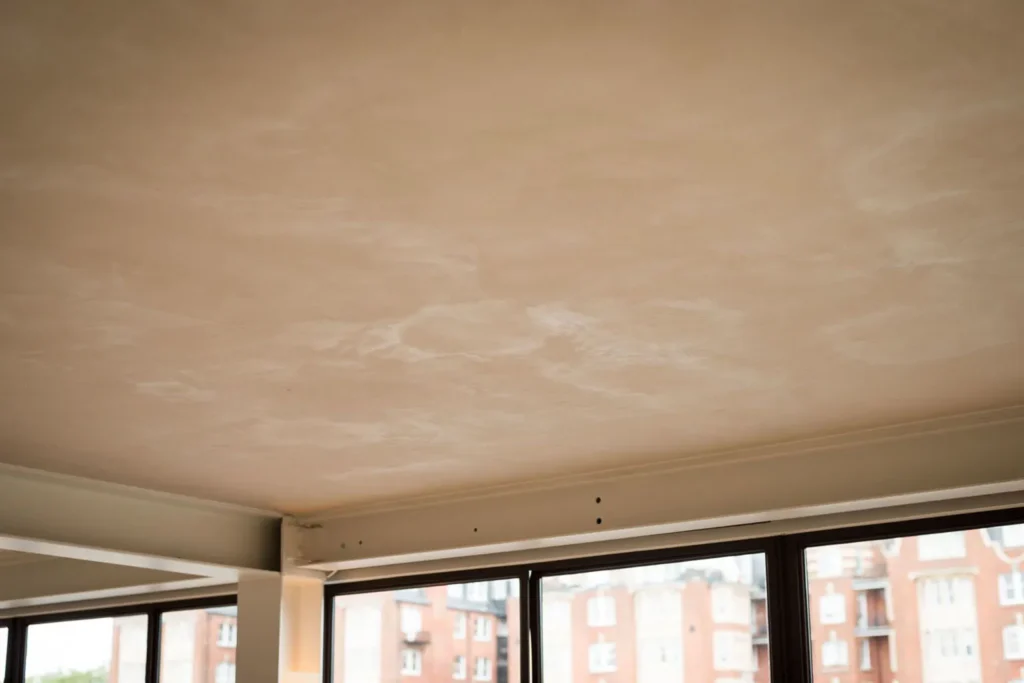
Expert ceiling skimming handles textured surfaces that paint alone can’t fix. Artex patterns, stippled finishes, and rough plaster need professional skim coating to create flat, contemporary ceilings. Skilled tradesmen prepare surfaces correctly, apply even coverage overhead, and finish to high standards — ceilings transformed and ready for decoration.

Quality patch skimming makes damage disappear without extensive replastering work. Cable routes, fixture removal, impact holes, and localised cracking all respond to targeted repairs that blend invisibly. Experienced plasterers match existing textures, feather edges carefully, and finish seamlessly — patches that stay hidden and eliminate the need for larger-scale work.
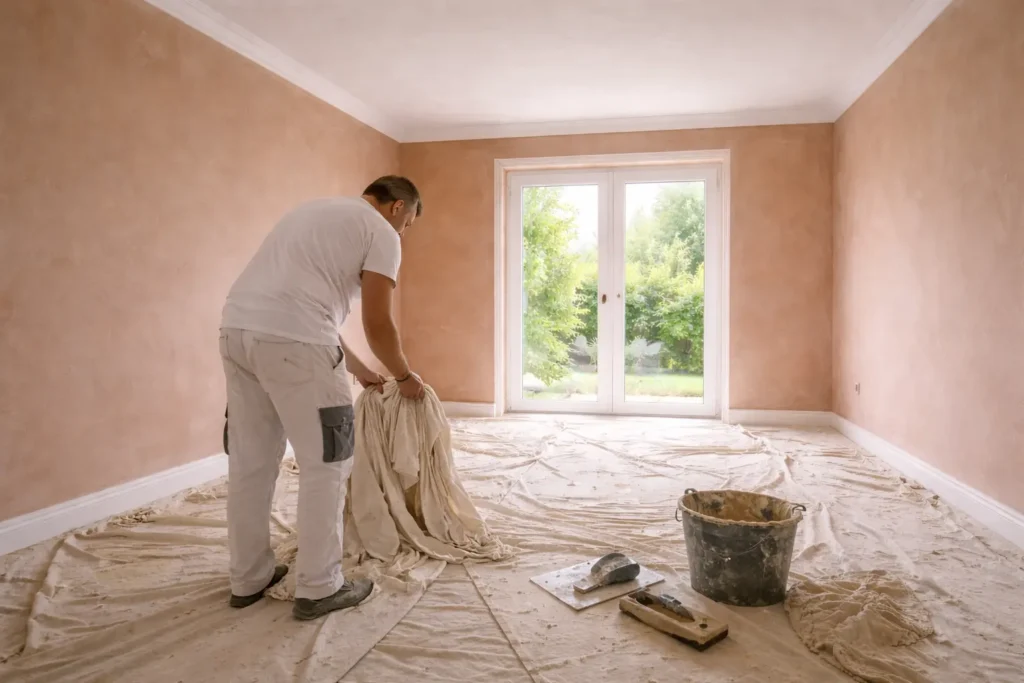
New build plastering finishes fresh plasterboard to smooth, decoration-ready surfaces throughout your property. Extensions, conversions, and new construction all require professional taping, jointing, and skim coating to create seamless walls and ceilings. Experienced plasterers prepare boards correctly, tape joints invisibly, and apply quality skim coats — delivering flawless finishes that make new spaces feel complete.
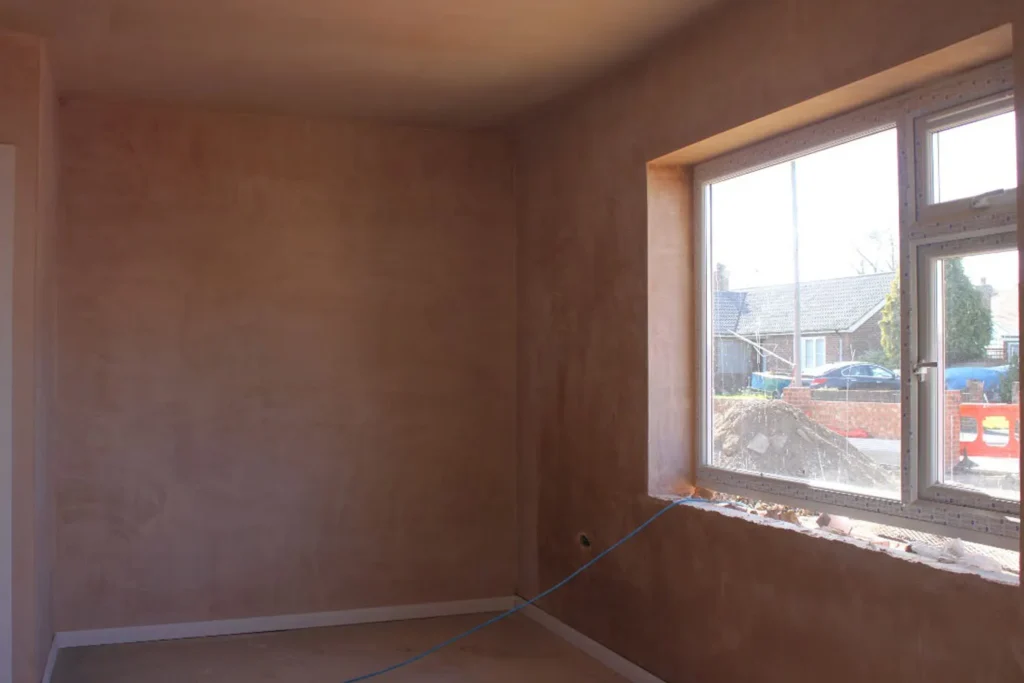
Complete re-plastering transforms whole rooms with consistent smooth surfaces from every angle. Full wall and ceiling skimming ensures unified finishes throughout — same quality everywhere, seamless results, professional standards. Skilled tradesmen work efficiently, delivering even coverage that refreshes entire spaces and simplifies decorating.
Cheap skimming costs more when you’re repainting rippled walls a year later. Here’s the detail on our quality-first approach across Skegby.
Plastering from Kirkby Town Centre through Portland Park to Summit Centre builds understanding of what Skegby walls actually contain. Old lime that’s gone powdery, hard gypsum that’s cracked with movement, board that’s absorbed moisture — recognising conditions fast comes from local repetition.
Re-skimming old walls, smoothing over textured ceilings, finishing new extension boards, blending repairs into existing surfaces — different starting points need different approaches. We assess properly before mixing any plaster, ensuring preparation matches what Skegby walls actually need.
For the most part victorian terraced houses and inter-war houses make up most of Skegby, typically with 2.4m to 2.6m (7.9ft – 8.5ft) ceilings. Those building types share common features — similar construction eras, comparable materials, predictable issues. Understanding the patterns improves every job.
Your call goes straight to the local tradesman covering Skegby — someone who can discuss existing wall types, explain preparation options, and give honest expectations about what’s needed for smooth, lasting finishes.
Initial questions establish the scope — surface types, room count, known problems, finish expectations. The plasterer uses this to plan assessment requirements, then schedules a convenient visit to inspect walls properly and quote accurately.
Site visits involve genuine wall inspection — checking for blown plaster, assessing suction, noting previous repairs, identifying preparation requirements. You’ll understand what needs doing before skimming starts. Quotes reflect actual surface condition and realistic preparation time.
Skimming proceeds professionally — surfaces prepared correctly, plaster mixed fresh, coats applied evenly, finishing done at the right moment. Protection goes down throughout, cleanup happens after. Clear guidance covers drying periods, mist coat timing, and decoration readiness.
Planning wall work means practical questions need answering — what preparation involves, realistic durations, when you can decorate. Clear information below.
A typical room takes around a day on cooperative surfaces. Wall condition affects timing more than room size — extensive preparation needs stretch schedules significantly. Ceilings add time. Assessment provides realistic duration based on your specific surface condition.
It depends on current wall condition. Well-bonded existing plaster takes skim coats directly after proper keying. Delaminated areas need stripping. Multiple thick coats may require removal. Assessment determines what preparation your specific walls actually need.
Skimming means thin finish coats over prepared existing surfaces. Full plastering includes base coats on brick, render application, depth building. Typical home jobs involve re-skimming existing plaster rather than plastering from scratch — thinner applications, quicker completion.
It varies with paint condition. Thin matt emulsion over sound plaster takes skim after proper keying. Heavy coatings, gloss finishes, or silk paint cause bonding problems — usually needing stripping or adhesion treatment. Assessment reveals what preparation your walls require.
Allow surfaces to dry properly before painting — 2-4 days minimum in ventilated rooms, though complete curing takes 2-3 weeks. Apply mist coat first with watered-down emulsion. Early decoration causes peeling and blistering issues.
Fill out the form or call now to speak directly to the plasterer covering your area. No call centres, no delays – just clear answers and fast action.
Your details are safe – we only use them to respond to your enquiry
Services extend throughout Skegby for quality skimming. Tradesmen who know local walls — the pre-war terraces, inter-war semis, post-war estates — and what each building era needs for proper finishes.