
Smooth walls aren’t luck — they’re preparation meeting technique. Professional skimming across South Town that delivers flat, lasting surfaces ready for paint or paper.
Getting clean, smooth walls shouldn’t involve managing a procurement process. The big platforms turn simple skimming jobs into comparison exercises that waste your time. One phone call to a trusted tradesman gets better results faster.
Quality plastering needs a different approach.
We assign one reliable skimming specialist to South Town. Contact goes directly to them — no middlemen, no quoting competitions. Just the person who’ll attend your property and deliver professional skim coats.
Professional plastering encompasses various skimming scenarios. Patch repairs blending into existing surfaces need precision, full re-skims need consistency, and each job benefits from understanding the surface conditions before work begins.
Have a read through the service details below. If it sounds like the right fit for your rooms, give us a call or fill in the form. If it’s not quite what you need, that’s fine — appreciate you taking the time.

Professional wall re-skimming solves surface problems that paint alone can’t fix. Rough textures, visible repairs, and uneven plaster need proper skim coating to create smooth, consistent walls. Skilled tradesmen assess conditions, prepare surfaces correctly, and apply quality finishes that hide imperfections completely — delivering walls ready for any decorative treatment you’re planning.
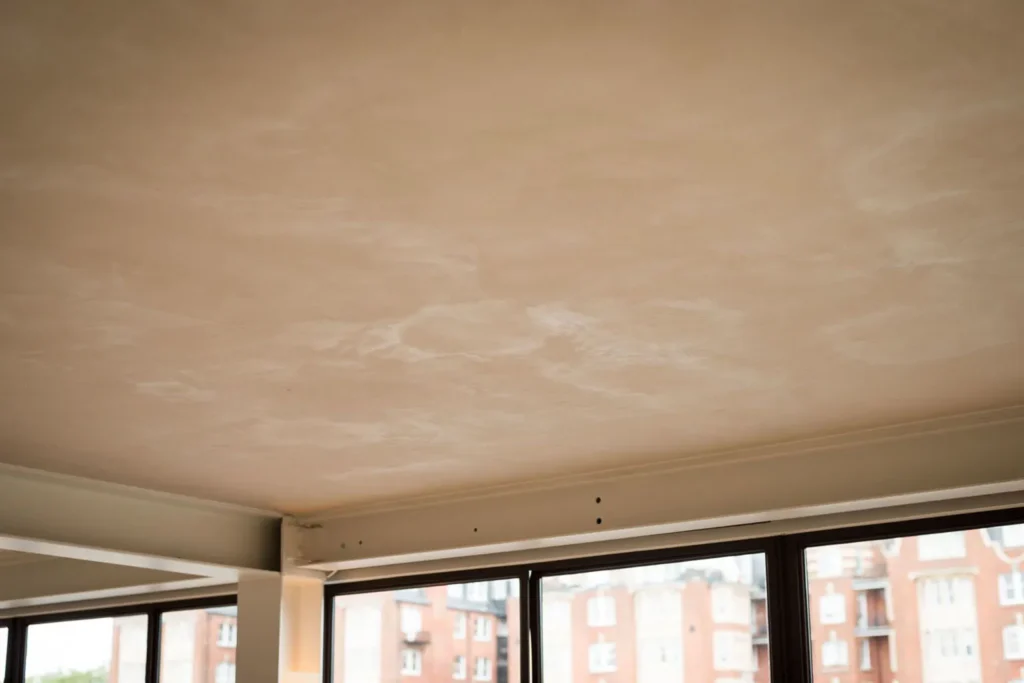
Re-skimming ceilings eliminates textured patterns that date properties and make decorating difficult. Stipple, swirl, bark, and other Artex finishes vanish beneath professional skim coats, leaving smooth surfaces ready for paint. Skilled ceiling work requires experience — working overhead, managing drying times, avoiding joins — delivering flat finishes that transform room appearances.

Professional plaster patching restores damaged sections to original condition without disrupting entire walls. Holes, cracks, and impact damage get filled, prepared, and skim coated to match surrounding surfaces exactly. Skilled blending and feathering ensure repairs become invisible — cost-effective fixes that deliver seamless results ready for any decorative finish.
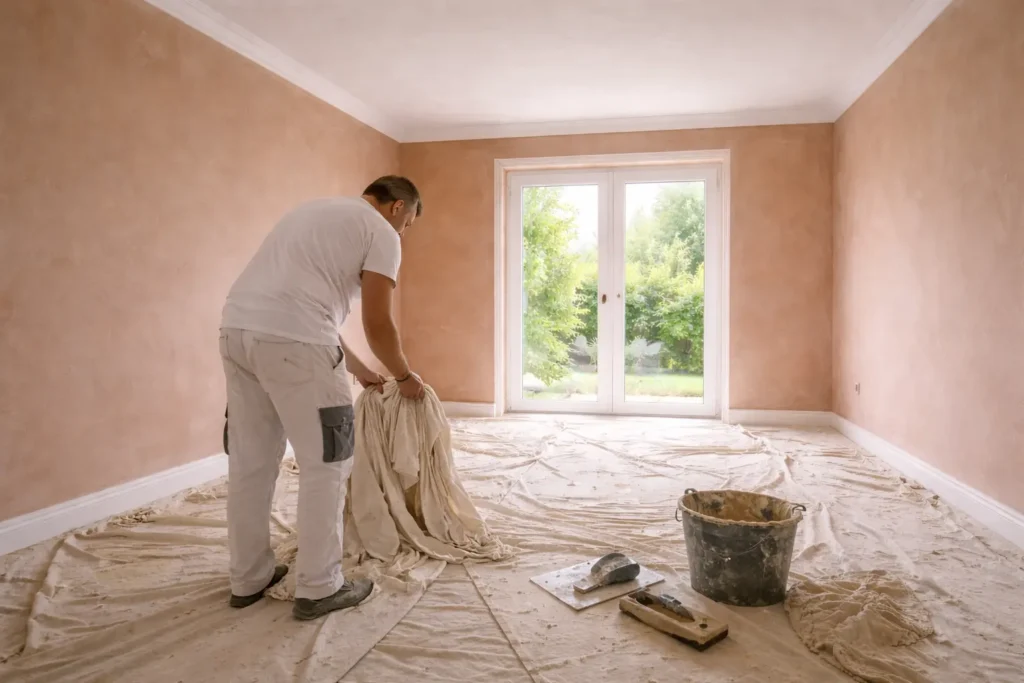
Professional plasterboard finishing transforms raw boards into smooth, paintable surfaces ready for decoration. New extensions, garage conversions, and loft rooms all need expert taping, jointing, and skimming to create seamless walls. Skilled plasterers work systematically — proper joint preparation, consistent skim application, quality finishing — delivering new-build quality throughout.
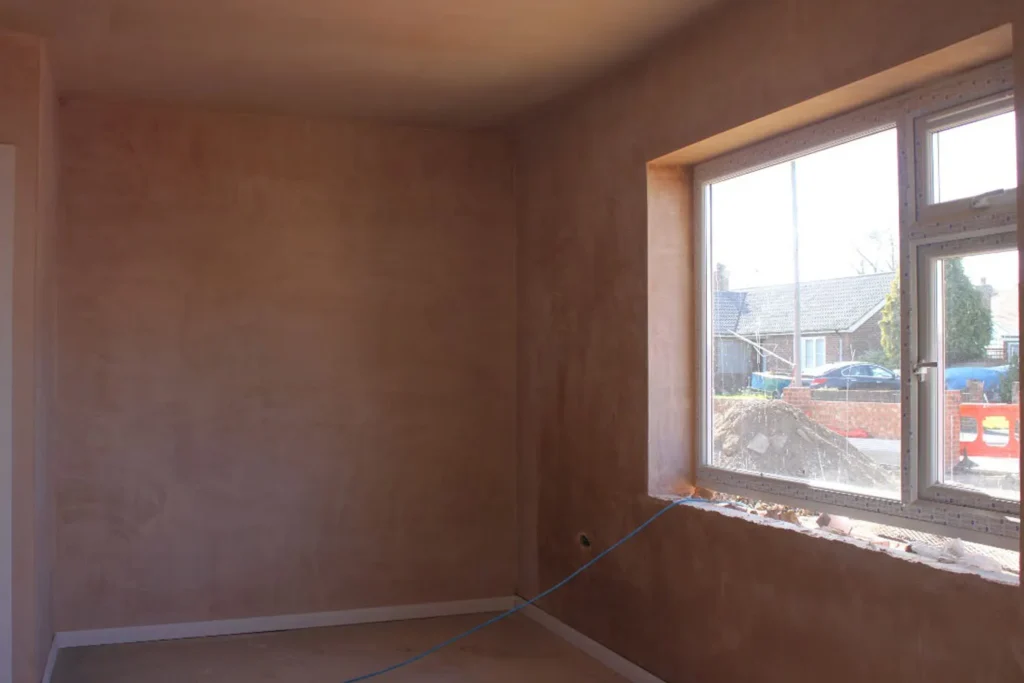
Whole room re-skimming delivers total transformation with consistent professional finishes everywhere. Walls and ceilings receive complete attention — unified textures, even coverage, quality results from floor to ceiling. Experienced tradesmen work systematically, creating smooth surfaces that renew entire rooms and make decorating straightforward.
Good preparation makes good finishes possible. Here’s how we approach every skimming job throughout South Town — from first assessment to final polish.
Plastering from All Saints Church through Maidenhead Bridge to Maidenhead High Street builds understanding of what South Town walls actually contain. Old lime that’s gone powdery, hard gypsum that’s cracked with movement, board that’s absorbed moisture — recognising conditions fast comes from local repetition.
New plasterboard drinks moisture unevenly, old lime plaster grabs too fast, painted surfaces reject bonding — preparation solves each problem differently. Skimming success across South Town starts with understanding what you’re coating.
Housing across South Town consists largely of victorian terraces and semi-detached houses with 2.5m to 2.9m (8.2ft – 9.5ft) ceilings. Specialising in this local stock builds practical expertise — understanding typical wall conditions, common issues, and effective solutions for these specific properties.
Your call goes straight to the local tradesman covering South Town — someone who can discuss existing wall types, explain preparation options, and give honest expectations about what’s needed for smooth, lasting finishes.
First conversation gathers essentials — surface condition, work scope, access requirements, timing preferences. Assessment gets arranged for mutually suitable timing, allowing proper wall inspection and accurate quotation before any commitment.
Assessment means examining walls properly — testing adhesion, checking suction, spotting blown areas, assessing previous plaster quality. Clear explanation of preparation needs follows. Pricing reflects genuine surface requirements, not guesses from photographs.
Jobs follow proper sequence — prep work, plaster application, finishing technique. Dust sheets go down for surrounding areas. Comprehensive cleanup occurs after completion. You receive practical information about drying requirements, mist coats, and decoration readiness.
Skimming questions follow patterns — surface prep, job length, drying periods. Here’s the honest answers without the waffle.
Skimming a standard room takes roughly a day on walls in reasonable condition. Poor surfaces needing bonding, repairs, or extensive preparation add significant time. Ceilings alongside walls extend the schedule. Accurate duration estimates follow from proper wall assessment.
Stripping depends on what exists already. Firmly attached plaster in decent condition receives skim directly. Delaminated areas, failed coats, or excessive thickness need removal first. Assessment determines genuine requirements for your specific walls.
Skimming means applying thin finish coats — usually 2-3mm — over existing prepared surfaces. Plastering includes heavier work like base coats on brick, render application, or building thickness. Home re-skimming typically involves thin finish coats over existing plaster, not full plastering systems.
Some painted surfaces skim directly, others don’t. Matt emulsion over good plaster can receive skim after keying preparation. Gloss, silk, or multiple thick coats create adhesion failures — often requiring removal or bonding coat application. Assessment identifies requirements.
New plaster needs drying time before paint. Surface usually appears dry within 2-4 days, but complete curing takes 2-3 weeks depending on thickness and ventilation. Mist coat with watered-down emulsion before proper painting — rushing risks adhesion failures.
Fill out the form or call now to speak directly to the plasterer covering your area. No call centres, no delays – just clear answers and fast action.
Your details are safe – we only use them to respond to your enquiry
Professional skimming operates throughout South Town. Local knowledge of housing types, construction methods, and wall characteristics that determine preparation needs and finishing approaches.