
Quality shows through paint — flat walls or rippled, proper prep or rushed. Professional skimming across Ockwells that delivers surfaces worth the decoration you’ll put on them.
The quote-comparison approach works in theory but creates headaches in practice. Three plasterers, three prices, three availability windows — and you’re still not sure who’ll do the best job. Direct access to one reliable professional solves that.
We’ve simplified the whole process.
Ockwells has one dedicated plasterer handling skimming. Direct contact means no delays — you speak to the tradesman who’ll assess your walls, provide honest pricing, and deliver professional results.
Skimming requirements vary between properties. Victorian solid walls behave differently than modern plasterboard, and each surface type needs appropriate preparation and application — recognising these differences ensures professional finishes throughout.
Check through the service details below to see if we’re suited to your job. If yes, reach out — we’ll get back quickly. If no, that’s completely fine — good luck with your project.

Wall skim plastering creates the blank canvas every decorator dreams of. Lumpy, bumpy, or damaged walls get transformed into perfectly flat surfaces ready for any finish. Professional plasterers assess existing conditions, prepare surfaces correctly, and apply smooth skim coats that hide imperfections completely — delivering the quality foundation that makes decorating straightforward and results impressive.
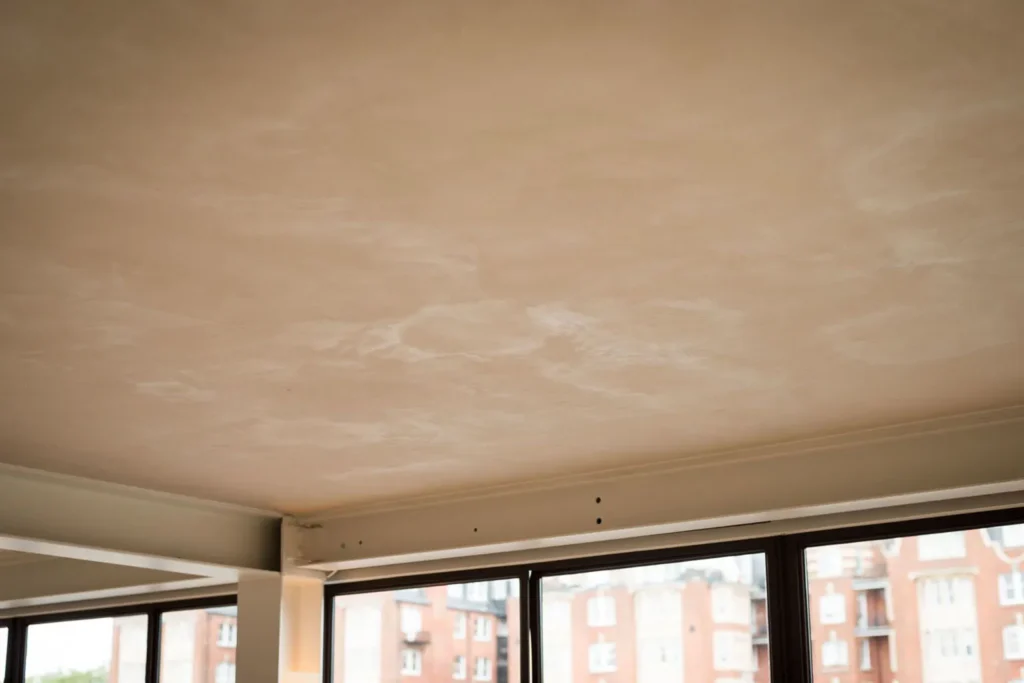
Professional ceiling finishes start with expert skimming that transforms rough or textured surfaces. Outdated Artex, damaged plaster, and uneven areas disappear beneath smooth skim coats applied by skilled tradesmen. Working overhead requires specific technique and experience — delivering flat ceilings that reflect light evenly and make rooms feel fresh.

Seamless plaster repairs require skilled blending technique that makes patches invisible on finished walls. Damage from removed fittings, accidental impacts, and minor cracking gets properly prepared and skim coated to match existing surfaces. Professional plasterers understand feathering, texture matching, and finishing — delivering repairs that disappear completely under paint or wallpaper.
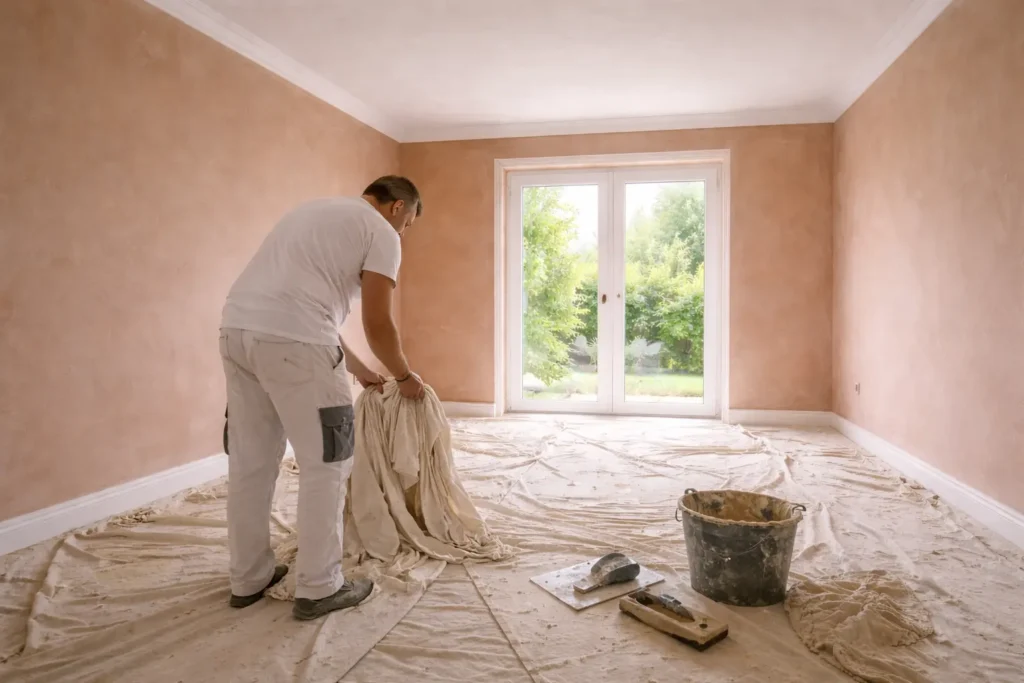
New extension finishing requires quality plastering that transforms raw plasterboard into smooth living spaces. Professional taping, jointing, and skim coating create seamless walls and ceilings throughout your project. Experienced tradesmen work systematically — proper joint preparation, consistent application, clean finishing — delivering results that complete your build to high standards.
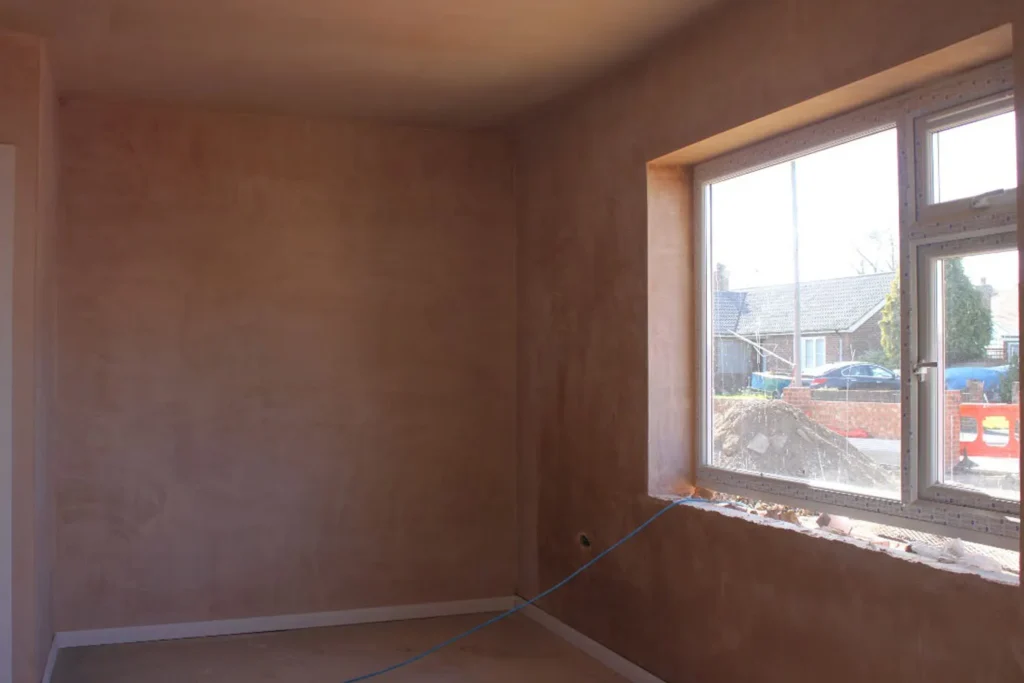
Total room transformation requires full skimming that delivers consistent finishes everywhere. Walls and ceilings get complete professional coverage — no mismatched textures, no visible transitions between old and new work. Experienced plasterers work systematically, creating smooth unified surfaces that make decorating straightforward and results impressive.
Skimming looks easy until you try it yourself. Here’s the trade knowledge behind our consistently smooth finishes across Ockwells.
Plastering from All Saints Church to Maidenhead Bridge and across to Maidenhead High Street for years teaches you what Ockwells walls are actually made of. The Victorian terraces have lime underneath. The inter-war semis have hard pink gypsum. The estates have lightweight board. Each needs handling differently.
Kitchen walls after tile removal, bedroom ceilings hiding Artex, hallways with a century of wallpaper paste — every surface has history that affects how plaster behaves. We read that history properly across Ockwells before picking up a trowel.
Ockwells housing runs mostly victorian terraces and semi-detached houses, ceilings around 2.5m to 2.9m (8.2ft – 9.5ft). Those property types share characteristics — similar wall construction, common problem areas, predictable preparation needs. Experience on this specific stock makes assessment faster and more accurate.
Your call reaches the plasterer who’ll actually skim your walls — not an office worker reading from a script. You discuss surface conditions, room layouts, and realistic timelines with someone who’s spent years reading walls and knows what questions matter.
First conversation focuses on understanding your walls — what’s on them now, what finish you’re after, how many rooms need attention. Based on that, assessment gets arranged at a time that suits. No pressure, no commitment until you’ve had surfaces checked properly and received clear pricing.
On-site evaluation includes systematic checking — surface soundness, absorption consistency, damp presence, repair history. The plasterer explains what preparation involves and why. Quotes based on actual conditions, not hopeful assumptions about hidden problems.
Plastering gets completed properly — correct preparation, consistent application, careful finishing. Protection covers work areas throughout, and thorough tidying follows. Clear guidance covers drying stages, when emulsion misting should happen, and realistic decoration timelines.
The usual skimming queries — how walls get prepared, how long it takes, when paint goes on. Straightforward answers, no jargon.
Duration depends on what the walls need, not just room dimensions. Sound surfaces needing simple re-skimming complete faster than blown plaster requiring strip-back. Standard bedroom typically takes a day on good walls, longer with preparation complications. You’ll receive realistic timing after surface inspection.
Surface condition determines preparation requirements. Solid existing plaster that’s well-bonded can receive skim directly after keying. Blown areas, loose coats, or excessive thickness need stripping. Assessment identifies which walls need what — avoiding unnecessary work while ensuring proper preparation.
Skim coats are thin finish layers — 2-3mm typically — applied over existing surfaces to create smooth walls. Plastering covers heavier applications including base coats on masonry, render work, or building depth. Most domestic work involves skimming existing plaster rather than full replastering.
Some can, some can’t — paint type determines approach. Light matt emulsion over sound plaster receives skim after keying. Gloss, silk, or heavy paint coatings create bonding issues — often needing stripping or specialist preparation. Assessment reveals requirements.
New skim needs drying time — typically 2-4 days for surface drying, weeks for complete curing. Mist coat first using diluted matt emulsion to seal porous surfaces. Then proper painting follows. Rushing decoration risks adhesion failure and paint defects.
Fill out the form or call now to speak directly to the plasterer covering your area. No call centres, no delays – just clear answers and fast action.
Your details are safe – we only use them to respond to your enquiry
We handle skimming work across the whole of Ockwells. Plasterers familiar with local construction eras, typical wall conditions, and the preparation approaches that deliver smooth, lasting finishes on these specific properties.