
Rough walls transformed into smooth, paintable surfaces. Proper skimming throughout West Hill — surfaces assessed correctly, prepared thoroughly, finished to standards that show under any light.
When you need walls finished properly, the platform approach creates doubt rather than confidence. Competing quotes, mixed reviews, availability clashes — it’s harder than it should be. One trusted local plasterer simplifies the whole process.
Getting walls skimmed shouldn’t be complicated.
We assign one reliable skimming specialist to West Hill. Contact goes directly to them — no middlemen, no quoting competitions. Just the person who’ll attend your property and deliver professional skim coats.
Skimming work varies significantly depending on existing conditions. Sound plaster just needs re-coating, compromised areas need stripping back, and new boards need proper preparation — identifying the starting point ensures professional finishes.
Check the information below and see if it matches what you’re dealing with. If it does, we’re ready to help — just get in contact. If not, that’s fine — thanks for taking a look.

Professional wall re-skimming solves surface problems that paint alone can’t fix. Rough textures, visible repairs, and uneven plaster need proper skim coating to create smooth, consistent walls. Skilled tradesmen assess conditions, prepare surfaces correctly, and apply quality finishes that hide imperfections completely — delivering walls ready for any decorative treatment you’re planning.
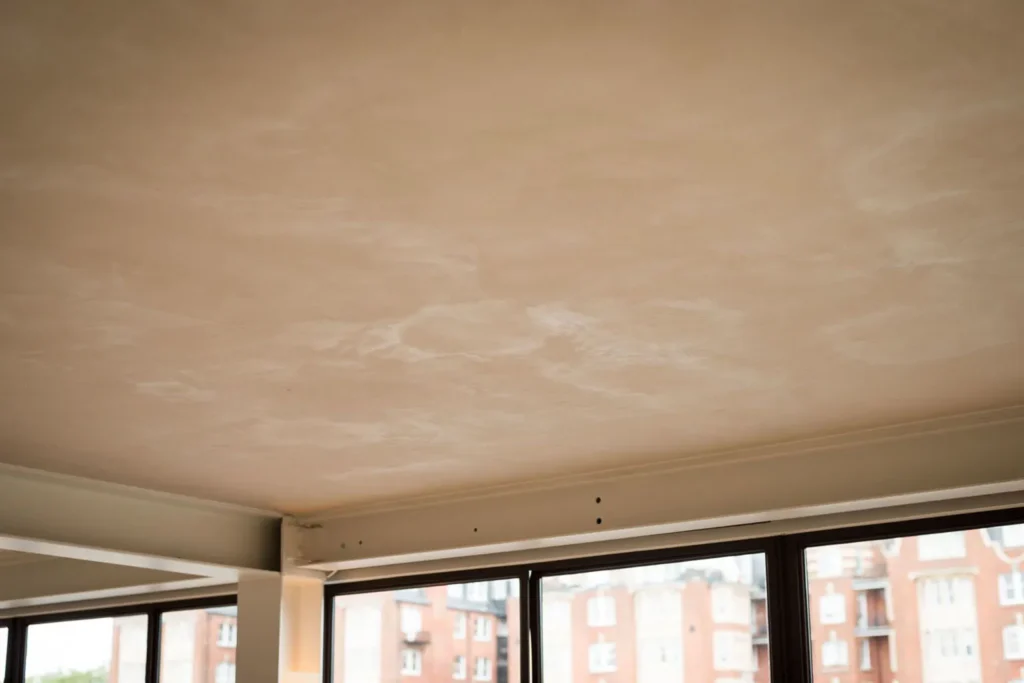
Professional ceiling finishes start with expert skimming that transforms rough or textured surfaces. Outdated Artex, damaged plaster, and uneven areas disappear beneath smooth skim coats applied by skilled tradesmen. Working overhead requires specific technique and experience — delivering flat ceilings that reflect light evenly and make rooms feel fresh.

Blending plaster repairs requires professional technique that makes patches invisible on finished walls. Damage from various causes — impacts, removed fittings, cables, cracks — gets properly prepared and skim coated to match existing surfaces. Careful feathering and texture matching ensure seamless results ready for any decorative treatment.
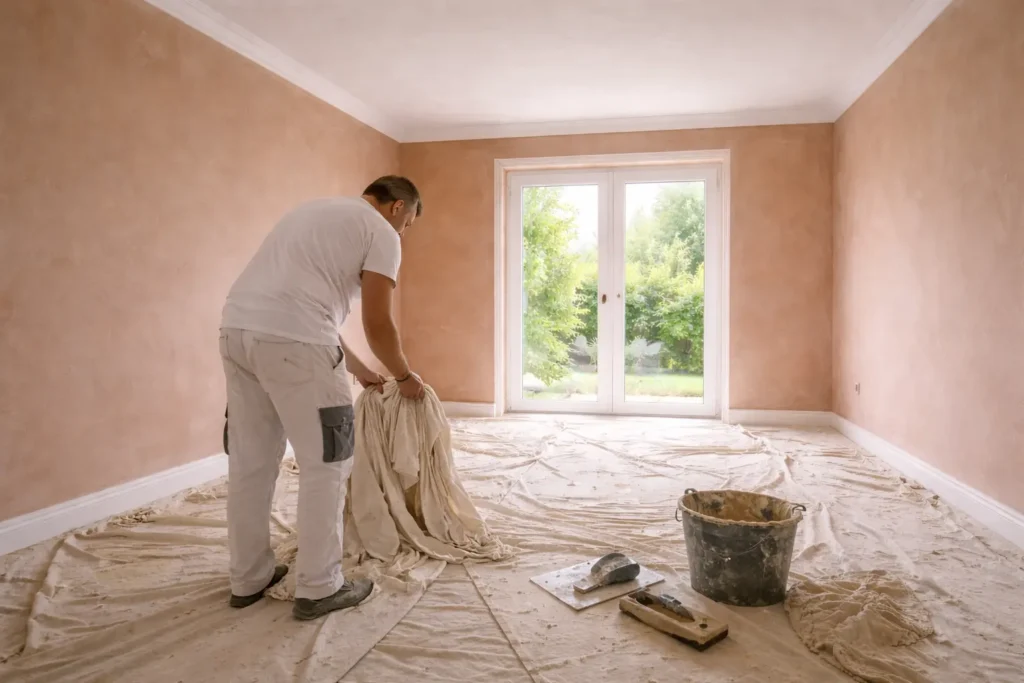
New construction plastering delivers smooth finishes on freshly installed plasterboard throughout your project. Kitchen extensions, loft conversions, and new builds all require professional jointing, taping, and skimming to create walls ready for decoration. Quality preparation and skilled application ensure seamless surfaces that won’t crack or show joints over time.
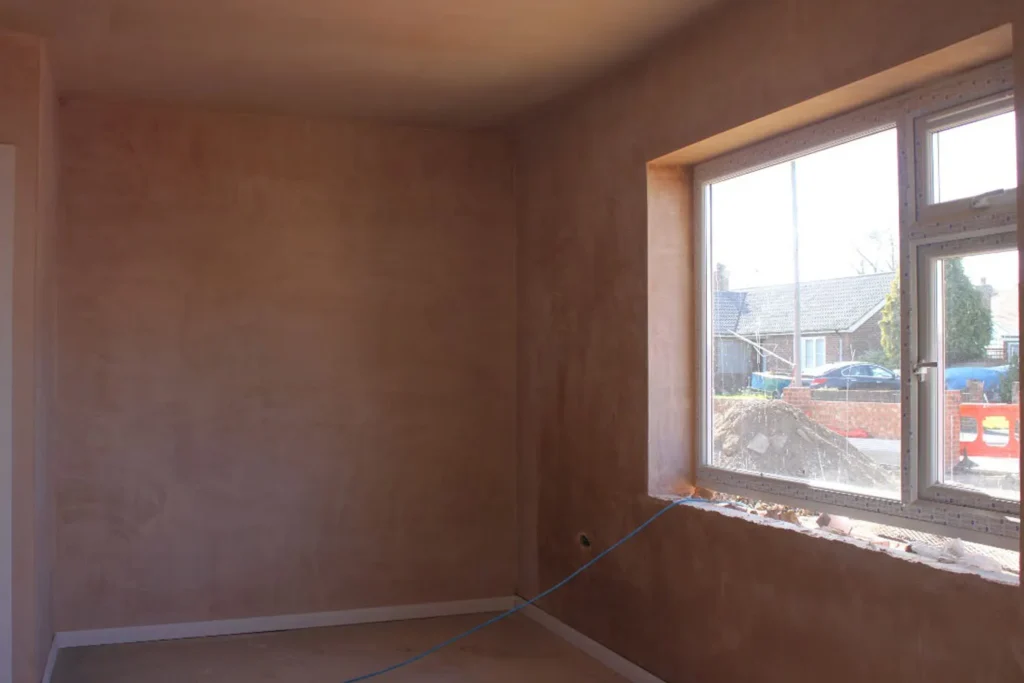
Total room transformation starts with full skimming that creates consistent smooth finishes across all surfaces. Walls and ceilings get complete coverage — no mismatched areas, no texture variations, just unified results throughout. Professional plasterers work efficiently, delivering the even quality that makes decorating straightforward and rooms feel completely refreshed.
The difference between acceptable and excellent sits in the final ten minutes of finishing. Here’s where our focus goes across West Hill.
Properties around St Paulinus Church Barnes Cray to Barnes Cray Station span a century of construction methods. West Hill walls reflect changing materials, fashions, and building standards. Understanding that timeline helps anticipate preparation needs before problems appear.
Single feature walls, whole room transformations, awkward ceiling repairs, invisible patch blending — each job type brings its own challenges. Consistent quality across West Hill comes from adapting methods to match conditions, not applying the same approach everywhere.
Locally inter-war semi-detached houses and modern detached houses properties dominate West Hill, generally 2.5m to 2.6m (8.2ft – 8.5ft) to the ceiling. Years skimming this specific housing builds instinct about wall behaviour, typical conditions, and preparation approaches that deliver lasting results.
When you make contact, the plasterer responds personally — same tradesman who’ll assess your walls and complete the skimming throughout West Hill. Wall condition, surface preparation, realistic timelines — proper discussion from the start.
Conversation focuses on understanding the job — current surface state, scope of work, access considerations. Assessment gets booked at convenient timing to inspect walls thoroughly and provide clear, accurate pricing.
Wall inspection covers practical concerns — is the existing plaster sound, does suction vary, are there damp issues, what’s been done before. You’ll understand preparation requirements clearly. Pricing reflects real surface condition.
Jobs proceed methodically — surface prep, plaster application, skilled finishing. Protection covers surrounding areas throughout work. Complete tidying follows. You receive practical guidance about drying times, emulsion misting requirements, and decoration scheduling.
Skimming questions follow patterns — surface prep, job length, drying periods. Here’s the honest answers without the waffle.
A typical bedroom skims in a day when walls cooperate. Surface problems — blown plaster, poor adhesion, previous bodge jobs — extend timelines significantly. Ceiling work adds roughly half a day. You’ll get accurate timing once walls have been properly assessed.
Stripping depends on what’s there already. Firmly attached plaster in good condition skims over directly. Hollow-sounding blown areas need removing. Thick multi-coat buildup sometimes requires stripping back. Wall assessment reveals which approach your surfaces need.
Skimming applies thin finish coats over existing surfaces — typically 2-3mm thickness creating smooth, paintable walls. Plastering involves thicker applications — base coats on bare brick, render layers, or building up depth where needed. Most domestic re-finishing work involves skimming over existing plaster rather than full plastering from scratch.
It varies with paint condition. Thin matt emulsion over sound plaster takes skim after proper keying. Heavy coatings, gloss finishes, or silk paint cause bonding problems — usually needing stripping or adhesion treatment. Assessment reveals what preparation your walls require.
Drying varies with conditions — ventilation, temperature, coat thickness. Surface typically dries enough in 2-4 days for mist coating, though full cure takes weeks. Diluted matt emulsion first seals the surface properly. Early decoration causes paint problems.
Fill out the form or call now to speak directly to the plasterer covering your area. No call centres, no delays – just clear answers and fast action.
Your details are safe – we only use them to respond to your enquiry
We operate across the whole of West Hill. Professional skimming backed by genuine knowledge of local housing construction, typical wall conditions, and effective preparation approaches.