
Flat, smooth, ready to decorate — that’s what proper skimming delivers. Quality finishes across Orpington from plasterers who understand surfaces and take preparation seriously.
Re-skimming a room should be straightforward, but the platform approach complicates everything. Post on Bark and suddenly you’re managing multiple quotes, juggling phone calls, and trying to work out who’s genuine. Direct contact with one trusted plasterer cuts through all that.
Our skimming service cuts out the noise.
Orpington has one reliable skimming specialist assigned. Your call or form reaches them directly — the same person who’ll survey your rooms and deliver flawless finishes without competitive quoting games.
Professional skimming handles various wall states. Patchy repairs need blending, full rooms need consistent coverage, and ceilings need careful technique to avoid visible joins — experienced assessment determines the right approach for lasting results.
Check through the service details below to see if we’re suited to your job. If yes, reach out — we’ll get back quickly. If no, that’s completely fine — good luck with your project.

Flawless wall finishes require professional skimming from tradesmen who understand surface preparation and application technique. Rough walls, patchy repairs, and textured surfaces transform into smooth canvases ready for paint or paper. Quality materials, proper preparation, and skilled application combine to create lasting results — walls that stay flat, take decoration evenly, and look professionally finished.
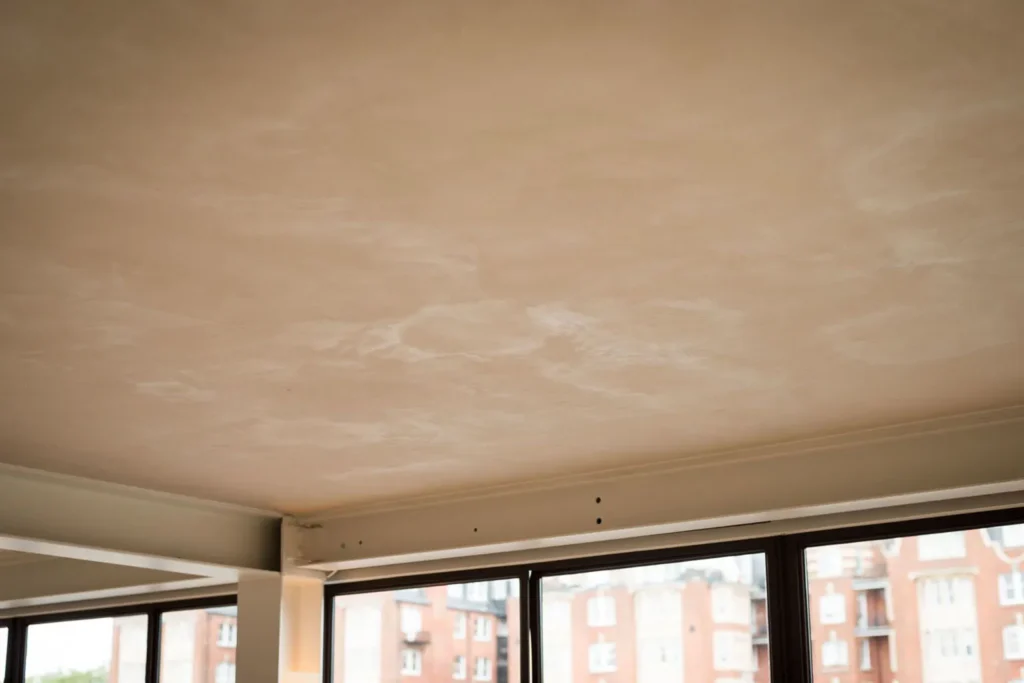
Expert ceiling plastering creates flawless overhead surfaces that reflect light evenly and make rooms feel larger. Damaged, textured, or outdated ceilings transform under professional skim coats applied with skill and experience. Consistent coverage, clean edges at coving, and smooth finishing throughout — ceilings that look right and make decorating effortless.

Professional patch skimming restores localised damage without full room replastering. Impact holes, cable chases, and cracked sections respond to targeted repairs that blend perfectly with surrounding plaster. Experienced tradesmen match textures and finishes exactly — patches that disappear completely and save the cost of larger-scale work.
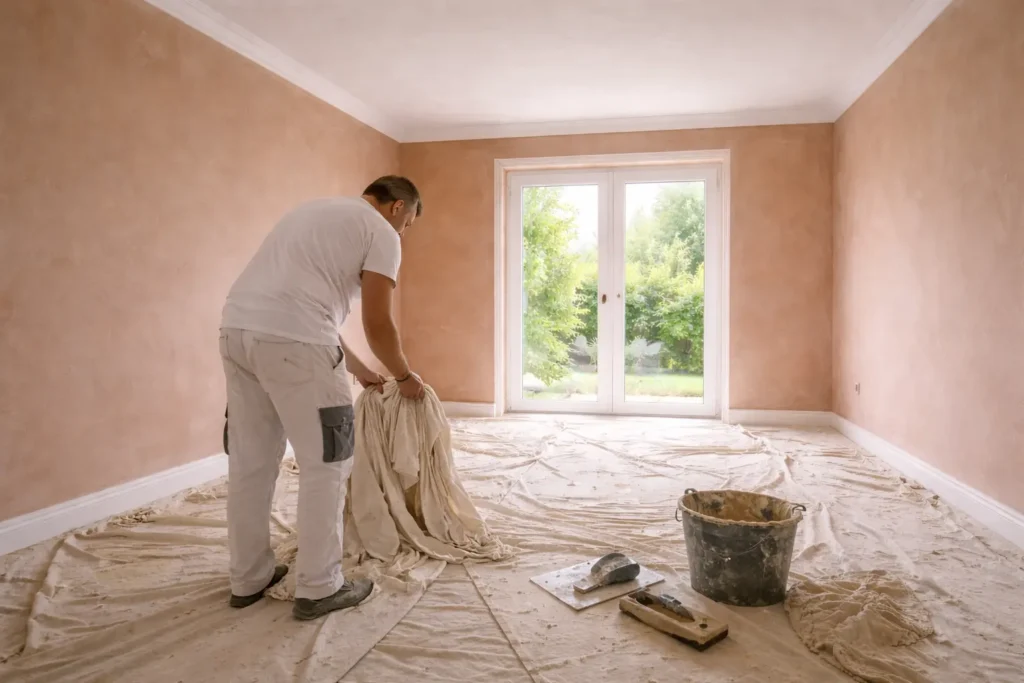
Finishing new plasterboard creates the smooth walls your extension or conversion deserves. Professional taping hides joints invisibly, while quality skim coats deliver decoration-ready surfaces throughout. Skilled plasterers work systematically — proper preparation, consistent application, clean finishing — transforming raw boards into flawless living spaces ready for decorating.
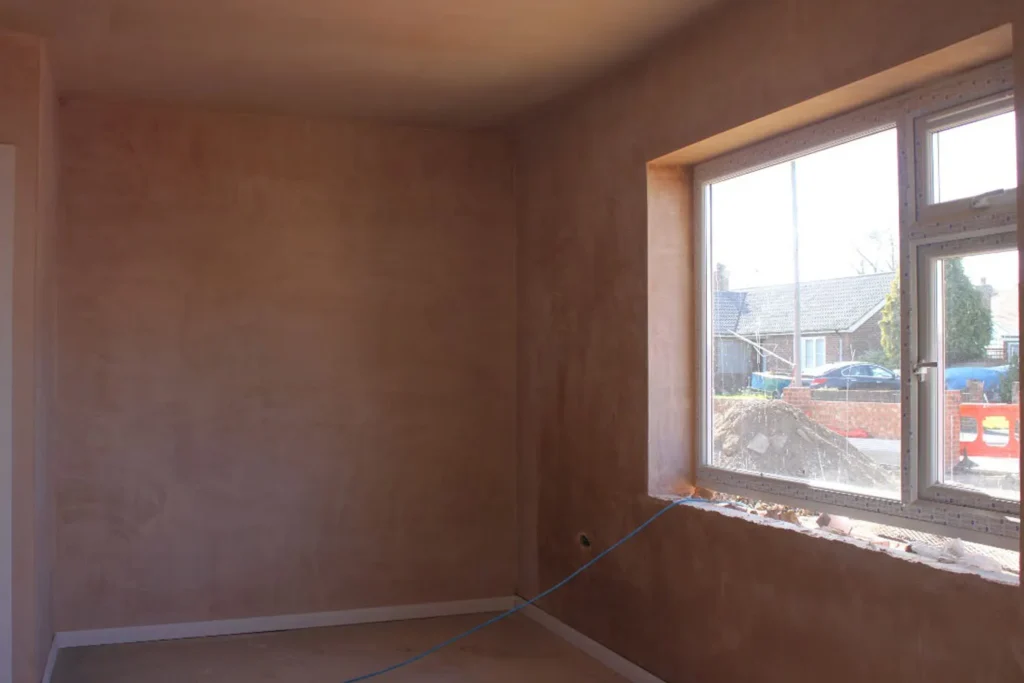
Whole room skimming creates unified smooth finishes that transform how spaces look and feel. Complete wall and ceiling coverage ensures consistent quality throughout — no patchy repairs, no texture mismatches, just seamless results everywhere. Professional plasterers work systematically, delivering even coverage and clean finishing that makes decorating effortless.
Picking a plasterer for skimming isn’t straightforward — prices vary, quality varies, and you can’t see the difference until paint goes on. Here’s what we offer across Orpington.
Plastering from St Martins Church Chelsfield to Five Bells Chelsfield and across to Chelsfield Station for years teaches you what Orpington walls are actually made of. The Victorian terraces have lime underneath. The inter-war semis have hard pink gypsum. The estates have lightweight board. Each needs handling differently.
Re-skimming old walls, smoothing over textured ceilings, finishing new extension boards, blending repairs into existing surfaces — different starting points need different approaches. We assess properly before mixing any plaster, ensuring preparation matches what Orpington walls actually need.
period cottages and 1930s houses dominate Orpington, usually 2.4m to 2.7m (7.9ft – 8.9ft) to the ceiling. These property types have predictable quirks — common damp spots, typical movement cracks, characteristic construction methods. Knowing them speeds every stage from quote to finish.
Your call reaches the plasterer who’ll actually skim your walls — not an office worker reading from a script. You discuss surface conditions, room layouts, and realistic timelines with someone who’s spent years reading walls and knows what questions matter.
Discussion establishes what you’re working with — existing surface types, room sizes, any issues you’ve noticed. Based on initial information, a site visit gets scheduled to assess walls properly, identify preparation needs, and provide accurate pricing.
On-site assessment covers thorough wall checking — structural soundness, surface adhesion, absorption rates, damp indicators. You’ll understand what preparation’s needed before skimming begins. Clear quotes follow actual site evaluation.
Jobs get completed properly — thorough preparation, consistent application, finishing while timing allows. Work areas receive full protection, and thorough tidying follows completion. You receive specific guidance about drying requirements, mist coating, and when full decoration can begin.
The common skimming questions — how surfaces get prepared, how long jobs take, when painting can happen. Straight answers, kept simple.
Completion time varies with surface condition rather than room size alone. Average bedroom on decent plaster takes a day. Walls requiring stripping, bonding, or substantial prep work take longer. Ceiling inclusion adds time. Assessment provides realistic scheduling for your particular surfaces.
Existing surface quality determines approach. Firmly bonded plaster skims over after keying. Blown areas, delaminated coats, or excessive previous layers need stripping. Assessment identifies which preparation each wall section requires.
Skimming applies thin finish coats over existing surfaces — typically 2-3mm thickness creating smooth, paintable walls. Plastering involves thicker applications — base coats on bare brick, render layers, or building up depth where needed. Most domestic re-finishing work involves skimming over existing plaster rather than full plastering from scratch.
Depends on what paint and how much. Thin matt emulsion takes skim after keying preparation. Thick layers, gloss finishes, or silk coatings cause adhesion problems — usually requiring removal or bonding agent application. Assessment identifies the right approach for your surfaces.
New plaster requires proper drying — typically 2-4 days minimum, longer for full curing. Mist coat first using watered-down emulsion to seal surfaces correctly. Decorating too early risks adhesion failures, peeling, and blistering.
Fill out the form or call now to speak directly to the plasterer covering your area. No call centres, no delays – just clear answers and fast action.
Your details are safe – we only use them to respond to your enquiry
Services extend throughout Orpington for quality skimming. Tradesmen who know local walls — the pre-war terraces, inter-war semis, post-war estates — and what each building era needs for proper finishes.