
The finish shows the skill — and rushed work shows too. Quality skimming throughout Chiswick from plasterers who understand preparation, timing, and what makes skim coats last.
The quote-comparison approach works in theory but creates headaches in practice. Three plasterers, three prices, three availability windows — and you’re still not sure who’ll do the best job. Direct access to one reliable professional solves that.
Our system prioritises quality over quantity.
We keep skimming straightforward: one trusted tradesman covers Chiswick. Contact them directly when your walls need refinishing, and they’ll respond without the delays inherent in multi-quote platform systems.
Skimming work varies significantly depending on existing conditions. Sound plaster just needs re-coating, compromised areas need stripping back, and new boards need proper preparation — identifying the starting point ensures professional finishes.
Check out the information below to see if we cover what you need. If it matches your situation, get in contact. If not, no worries at all — thanks for having a look.

Quality wall skimming eliminates surface problems that make decorating difficult. Cracks, bumps, patches, and uneven textures disappear beneath professionally applied skim coats, leaving smooth walls that take any finish beautifully. Experienced plasterers work methodically — proper prep, consistent application, clean finishing — delivering surfaces that transform how your rooms look and feel.
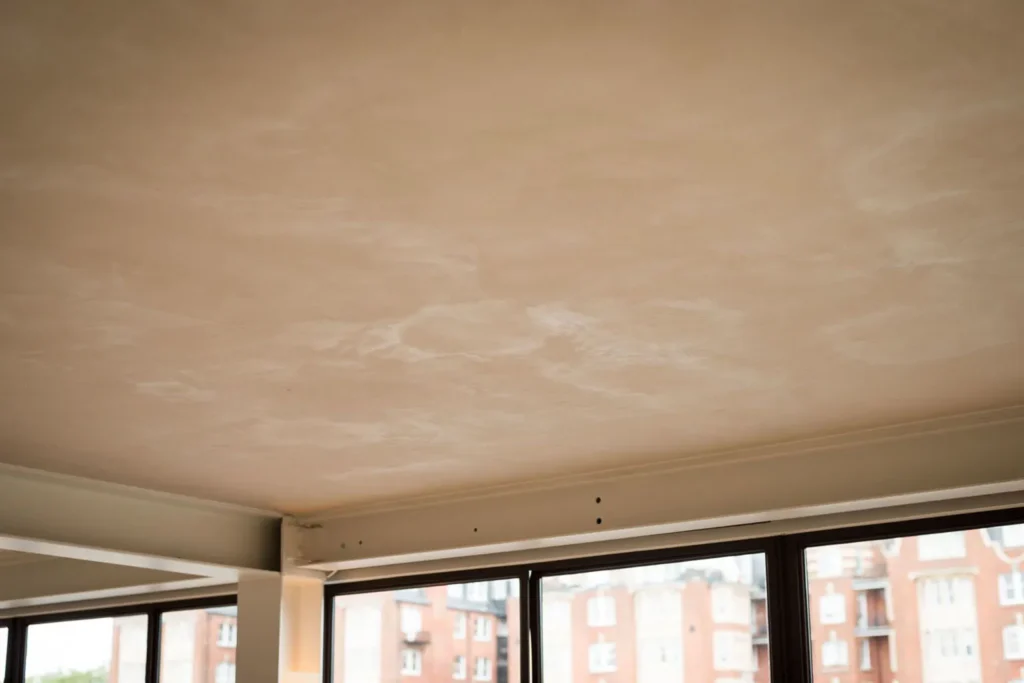
Re-skimming ceilings eliminates textured patterns that date properties and make decorating difficult. Stipple, swirl, bark, and other Artex finishes vanish beneath professional skim coats, leaving smooth surfaces ready for paint. Skilled ceiling work requires experience — working overhead, managing drying times, avoiding joins — delivering flat finishes that transform room appearances.

Seamless repair skimming fixes wall damage efficiently and invisibly. Removed radiator marks, old TV mounting holes, cracked sections, and impact damage respond to professional patching that blends perfectly. Experienced plasterers prepare surfaces correctly, match textures accurately, and finish so patches disappear — walls restored without full re-skim costs.
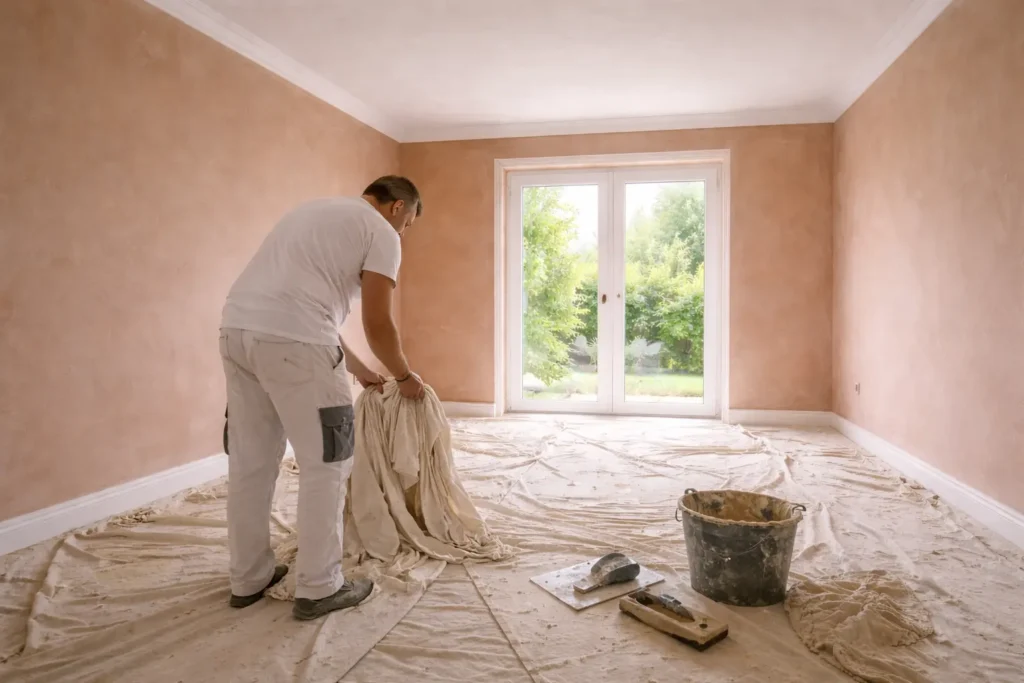
Finishing new plasterboard requires specialist technique that creates invisible joints and smooth surfaces. Extensions, conversions, and renovation projects need professional taping and skim coating to transform raw boards into decoration-ready walls. Experienced plasterers ensure seamless results — no visible joins, no cracking at corners, just flawless finishes throughout.
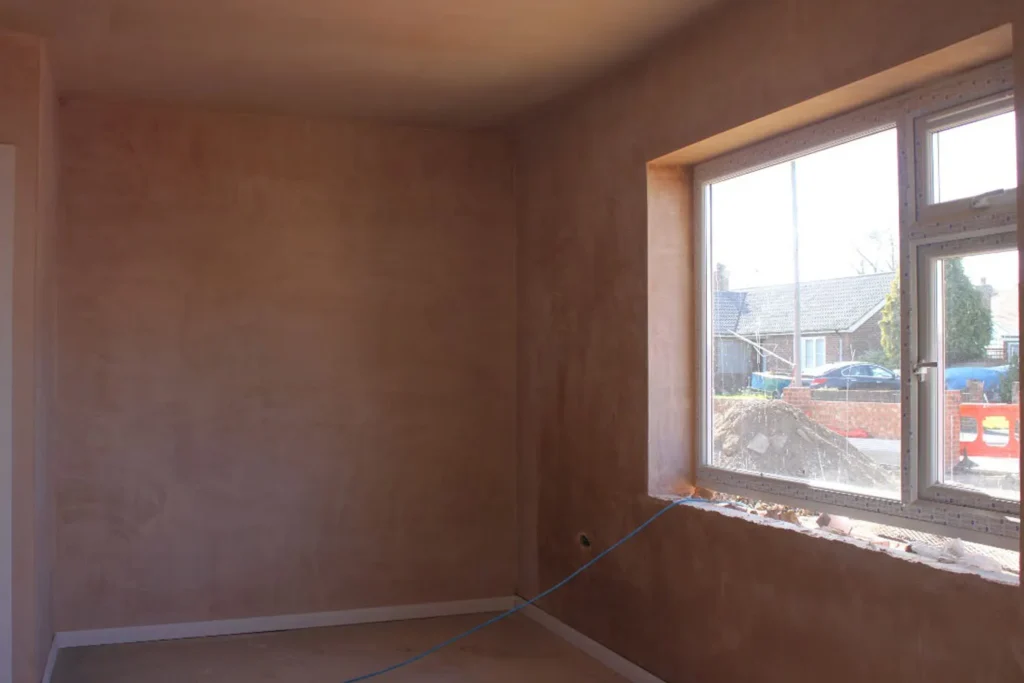
Total room transformation starts with full skimming that creates consistent smooth finishes across all surfaces. Walls and ceilings get complete coverage — no mismatched areas, no texture variations, just unified results throughout. Professional plasterers work efficiently, delivering the even quality that makes decorating straightforward and rooms feel completely refreshed.
Picking a plasterer for skimming isn’t straightforward — prices vary, quality varies, and you can’t see the difference until paint goes on. Here’s what we offer across Chiswick.
Experience across Chiswick — Bedford Park Conservation Area, St Michael and All Angels, The Tabard pub — builds a mental map of what’s behind the paint. Bay-fronted houses usually mean lath and lime. Pebbledash semis mean sand and cement render. That knowledge speeds up assessment and prevents preparation mistakes.
Blown plaster that sounds hollow, old distemper that kills adhesion, suction differences between old and new surfaces — these problems sink skimming jobs. We identify them first throughout Chiswick, fixing foundations before applying finishes.
The typical Chiswick home — victorian villas or artistic houses with 2.7m to 3.0m (8.9ft – 9.8ft) ceilings — has walls we’ve skimmed hundreds of times. That repetition builds instinct about what preparation works, what problems to check for, and where shortcuts cause failures.
Enquiries go straight to the plasterer covering Chiswick — no booking team guessing at job requirements. You talk walls, surfaces, and preparation with someone who understands the difference between a quick re-skim and a full strip-back job.
Initial chat covers the essentials — current wall condition, work scope, any known problems. The plasterer asks about previous finishes, room usage, and preparation access. Assessment gets booked for convenient mutual timing to inspect surfaces properly before quoting.
Site visits involve proper surface reading — tapping for delamination, checking absorption rates, identifying weak spots, noting previous work quality. You understand preparation requirements before committing. Quotes match actual wall condition.
Jobs proceed methodically — surface prep, plaster application, skilled finishing. Protection covers surrounding areas throughout work. Complete tidying follows. You receive practical guidance about drying times, emulsion misting requirements, and decoration scheduling.
Skimming questions tend to follow patterns — how’s it done, how long’s it take, when can I decorate. Clear answers below, nothing complicated.
Standard room skimming typically takes a day on reasonable surfaces. Problem walls needing serious preparation extend timing considerably. Ceiling inclusion adds hours. Surface condition varies hugely between properties — assessment provides accurate scheduling for your specific walls.
Some walls skim over existing surfaces, others need stripping — condition determines approach. Solid, well-attached plaster just needs keying. Blown areas, failed coats, or excessive thickness require removal. Assessment identifies what’s needed rather than guessing.
Skimming applies thin finish layers over existing prepared surfaces. Plastering covers broader scope — base coats on masonry, render application, building depth. Typical home work involves skim finishing over existing plaster rather than full plastering systems from bare walls.
Sometimes — it depends on paint type and surface preparation. Matt emulsion over sound plaster can receive skim after proper keying with coarse sandpaper or bonding agent. Gloss, silk, or multiple thick paint coats create adhesion problems — stripping or heavy preparation often necessary. Assessment determines what approach your painted walls need.
Drying time depends on thickness, ventilation, and temperature. Surface usually ready for mist coating within 2-4 days, complete curing takes longer. Diluted emulsion first seals new plaster properly before full painting. Decorating too early causes problems.
Fill out the form or call now to speak directly to the plasterer covering your area. No call centres, no delays – just clear answers and fast action.
Your details are safe – we only use them to respond to your enquiry
Services extend throughout Chiswick for quality plastering. Local understanding of housing stock, original construction types, and preparation methods that achieve smooth, lasting finishes.