
Walls that take paint properly start with proper skimming. Flat, smooth finishes across Chessington — preparation done right, coats applied evenly, surfaces ready for whatever decoration you’re planning.
Getting walls skimmed shouldn’t involve a research project. Posting online, comparing reviews, fielding calls from multiple tradesmen — it’s exhausting before anyone’s even picked up a trowel. Direct access to a proven plasterer simplifies everything.
Professional skimming works differently here.
One experienced plasterer covers skimming work across Chessington. Direct contact eliminates platform delays — you speak to the tradesman who’ll actually transform your walls into smooth, paintable surfaces.
Skim plastering covers diverse situations. Kitchen refreshes after tile removal differ from bedroom re-skims, and each room presents unique challenges — proper evaluation ensures appropriate methods and smooth, consistent results.
Take a look at what we do below. If you think we’re a good match for your walls, get in touch. If not, no hard feelings — thanks for stopping by.

Wall skimming transforms rough, damaged, or outdated surfaces into smooth, paintable finishes ready for any decoration. Whether following wallpaper removal, covering old Artex, or refreshing tired plasterwork, professional skim coats create flawless walls throughout your home. Skilled application ensures consistent coverage, clean edges around sockets and switches, and durable surfaces that won’t crack or flake — giving rooms a fresh, modern feel that makes decorating effortless.
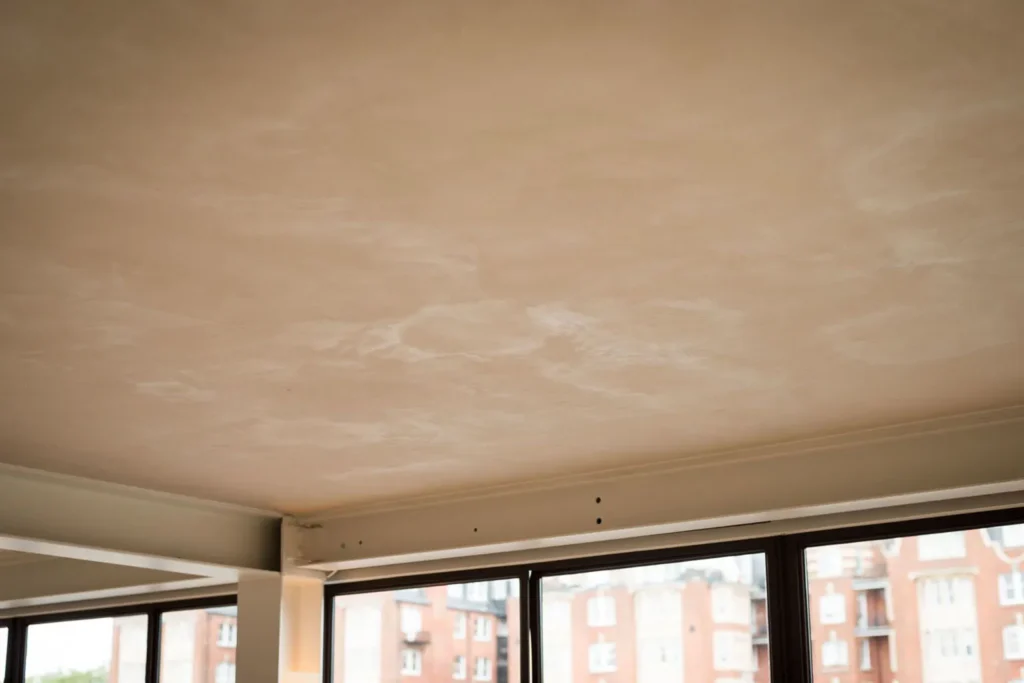
Quality ceiling re-skimming eliminates dated textures and creates fresh, smooth finishes throughout your property. Swirl patterns, stipple coatings, and damaged plaster respond to professional skimming that delivers flat overhead surfaces. Experienced plasterers handle ceiling work efficiently — proper technique, consistent results, lasting quality — rooms transformed by smooth, modern ceilings.

Professional patch skimming restores localised damage without full room replastering. Impact holes, cable chases, and cracked sections respond to targeted repairs that blend perfectly with surrounding plaster. Experienced tradesmen match textures and finishes exactly — patches that disappear completely and save the cost of larger-scale work.
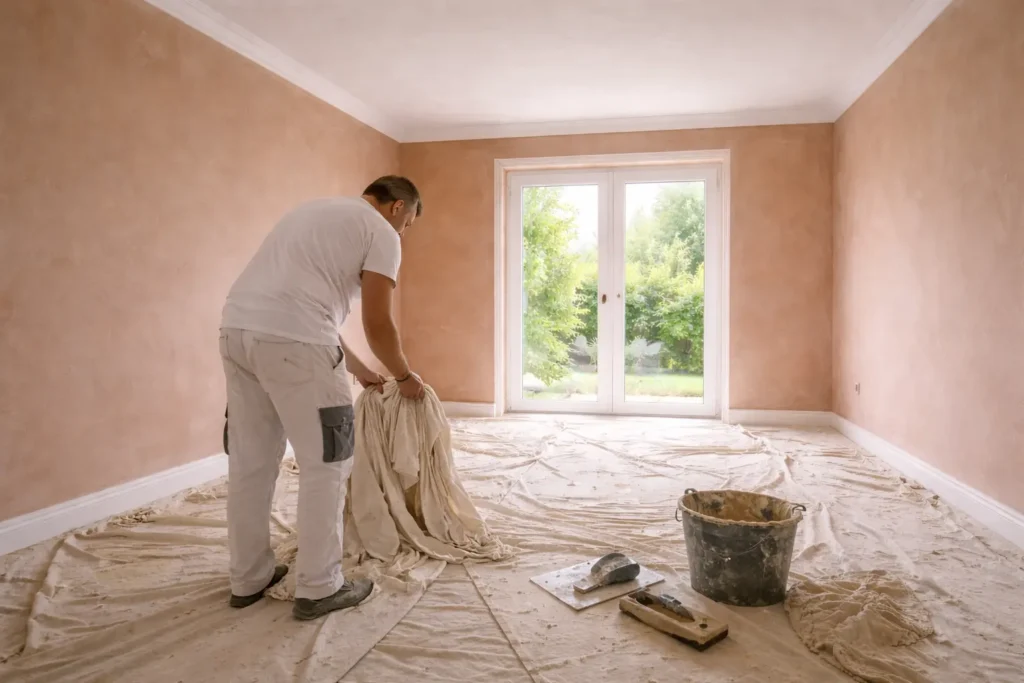
New build plastering finishes fresh plasterboard to smooth, decoration-ready surfaces throughout your property. Extensions, conversions, and new construction all require professional taping, jointing, and skim coating to create seamless walls and ceilings. Experienced plasterers prepare boards correctly, tape joints invisibly, and apply quality skim coats — delivering flawless finishes that make new spaces feel complete.
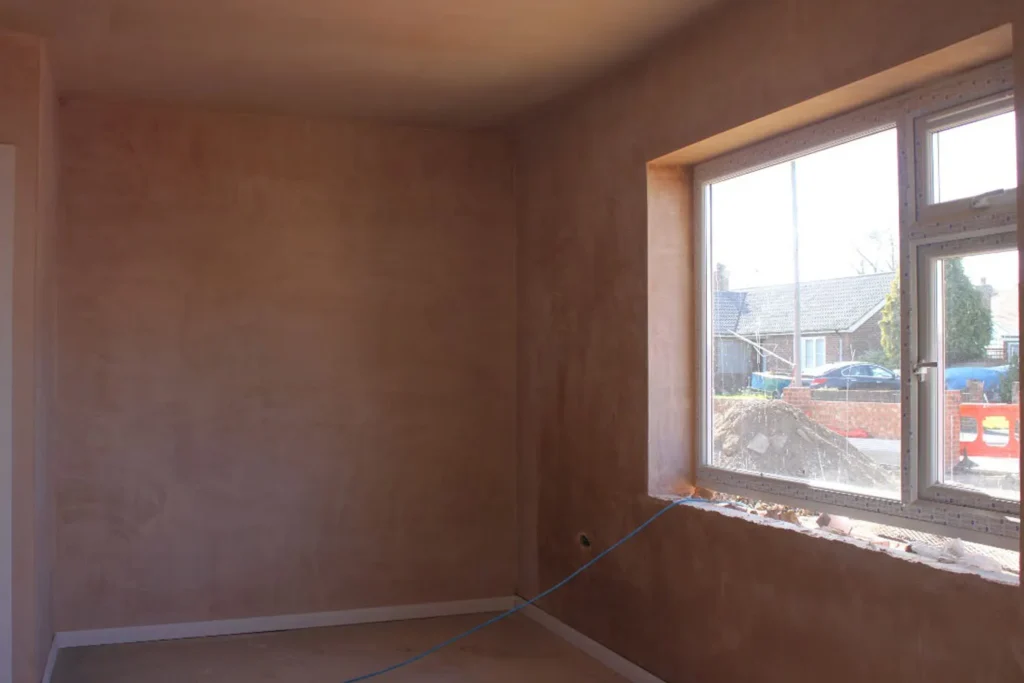
Whole room skimming creates unified smooth finishes that transform how spaces look and feel. Complete wall and ceiling coverage ensures consistent quality throughout — no patchy repairs, no texture mismatches, just seamless results everywhere. Professional plasterers work systematically, delivering even coverage and clean finishing that makes decorating effortless.
Plaster forgives nothing — every shortcut shows eventually. Here’s the honest detail on how we work throughout Chessington.
Working across Chessington for years means knowing property histories. The streets around Chessington Station flooded in ’97. The estate near Chessington Park had cavity wall insulation problems. The houses toward Chessington Common suffer from condensation. History affects wall condition.
Old lime plaster, modern gypsum, fresh plasterboard, patched areas mixing all three — each responds differently to skim coats. Experience across Chessington properties means recognising what we’re working on and adjusting technique accordingly.
Most Chessington homes are victorian cottages or 1960s estates with 2.4m to 2.6m (7.9ft – 8.5ft) ceilings. Working continuously on these property types develops pattern recognition — spotting preparation requirements quickly based on accumulated experience.
Enquiries reach the plasterer personally — not intermediaries booking jobs they don’t understand. You discuss surface conditions with someone who’s seen thousands of walls and knows which need stripping, which need bonding, and which just need keying.
They’ll ask practical questions — what’s on the walls now, how many rooms, any known problems. Assessment timing gets arranged based on availability, ensuring proper site evaluation before providing detailed quotations.
Site visits mean proper surface evaluation — checking adhesion, testing suction, spotting failures, assessing previous work. Preparation requirements get explained clearly. Pricing based on what your walls genuinely need, not generic assumptions.
Work happens methodically — proper preparation, controlled application, careful finishing while the plaster’s still workable. Dust sheets protect your belongings, and complete cleanup follows. You’ll know exact drying times, when emulsion misting should happen, and how soon proper decoration can start.
The common skimming questions — how surfaces get prepared, how long jobs take, when painting can happen. Straight answers, kept simple.
Room skimming duration varies with size and surface condition. Average bedroom on decent walls completes in a day. Larger rooms, problematic surfaces, or ceiling work extends timing. Preparation requirements significantly affect duration — walls needing bonding or extensive repairs take longer than straightforward re-skims.
Some do, some don’t — existing condition decides. Sound plaster gets keyed and skimmed over. Hollow-sounding blown areas need removing. Multiple heavy coats might require stripping back. Assessment reveals what preparation your surfaces genuinely require.
Skimming means applying thin finish coats — usually 2-3mm — over existing prepared surfaces. Plastering includes heavier work like base coats on brick, render application, or building thickness. Home re-skimming typically involves thin finish coats over existing plaster, not full plastering systems.
Paint condition affects preparation significantly. Matt emulsion over good plaster takes skim after proper keying. Gloss finishes, silk coatings, or thick paint layers prevent adequate adhesion — typically requiring removal or bonding treatment. Assessment determines your needs.
Standard skimming needs 2-4 days surface drying in well-ventilated rooms, though complete cure takes weeks. Mist coat application first — diluted matt emulsion sealing porous new plaster. Then proper decoration. Rushing causes paint problems.
Fill out the form or call now to speak directly to the plasterer covering your area. No call centres, no delays – just clear answers and fast action.
Your details are safe – we only use them to respond to your enquiry
Skimming covers all areas across Chessington. Plasterers who know local walls properly — Victorian lime through to modern board — and what preparation each surface type actually needs.