
Walls ready for anything — paint, paper, whatever you’re planning. Quality skimming throughout Newland that starts with proper assessment and ends with surfaces that perform.
When you need walls finished properly, the platform approach creates doubt rather than confidence. Competing quotes, mixed reviews, availability clashes — it’s harder than it should be. One trusted local plasterer simplifies the whole process.
We’ve built a cleaner system.
Newland has one trusted skimming specialist assigned. When you need walls finished properly, you contact them directly — and they respond promptly without platform delays or competitive quoting processes.
Skim plastering covers diverse situations. Kitchen refreshes after tile removal differ from bedroom re-skims, and each room presents unique challenges — proper evaluation ensures appropriate methods and smooth, consistent results.
Have a look at the service breakdown below. If it suits what your walls need, get in touch and we’ll sort it. If not, no problem — good luck finding the right help.

Re-skimming walls removes years of imperfections and creates fresh, smooth surfaces throughout your property. Old wallpaper damage, filled holes, patchy repairs, and uneven textures vanish beneath professional skim coats applied by skilled tradesmen. Proper preparation, quality materials, and careful technique ensure lasting results — walls that stay smooth, take paint evenly, and look professionally finished for years.
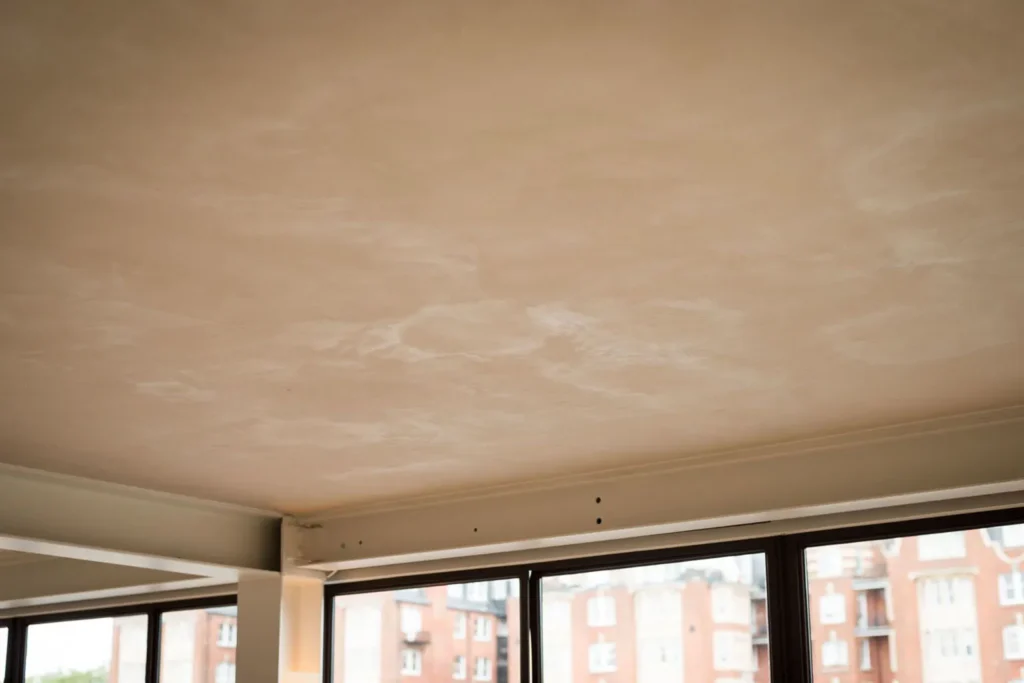
Smooth ceiling skimming removes the textures that date properties and complicate decorating. Stippled finishes, swirl patterns, and rough surfaces transform into flat, contemporary ceilings ready for paint. Professional plasterers work overhead efficiently — consistent coverage, no visible joins, clean finishing — delivering results that modernise rooms and last for years.

Seamless plaster patching fixes visible damage through skilled preparation and blending technique. Holes, dents, cracks, and damaged sections get properly filled and skim coated to match surrounding walls. Professional feathering ensures invisible edges — repairs that paint over perfectly without showing through any decorative finish.
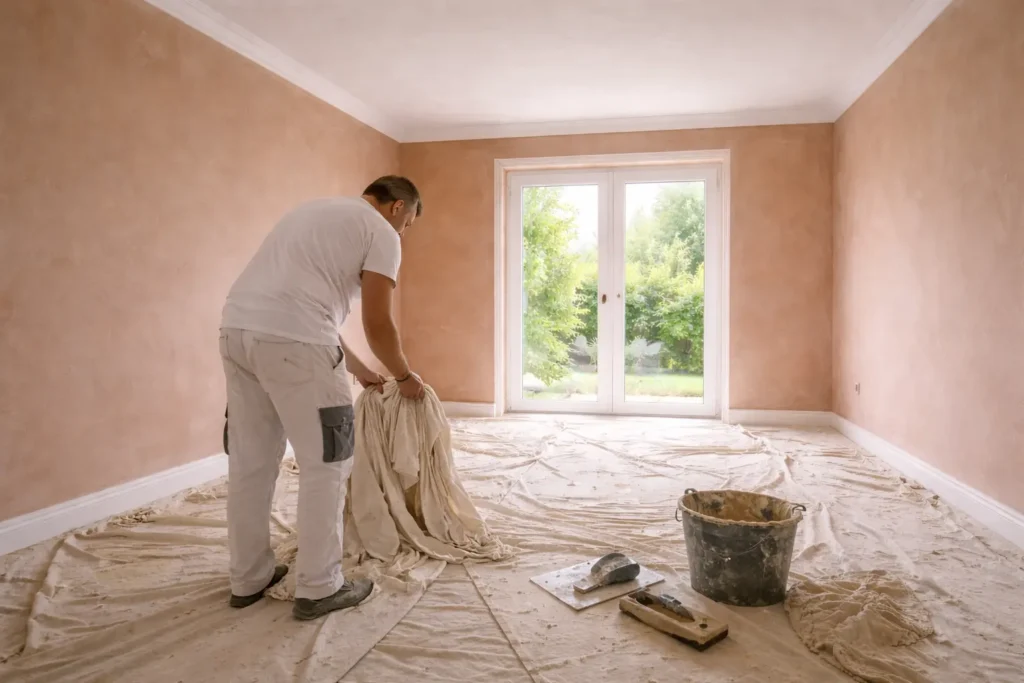
Expert new build finishing transforms plasterboard into the smooth, professional surfaces your project deserves. Extensions, garage conversions, and renovation work all require skilled taping, jointing, and skimming to create seamless walls and ceilings. Quality workmanship ensures lasting results — no visible joints, no future cracking, just flawless finishes throughout.
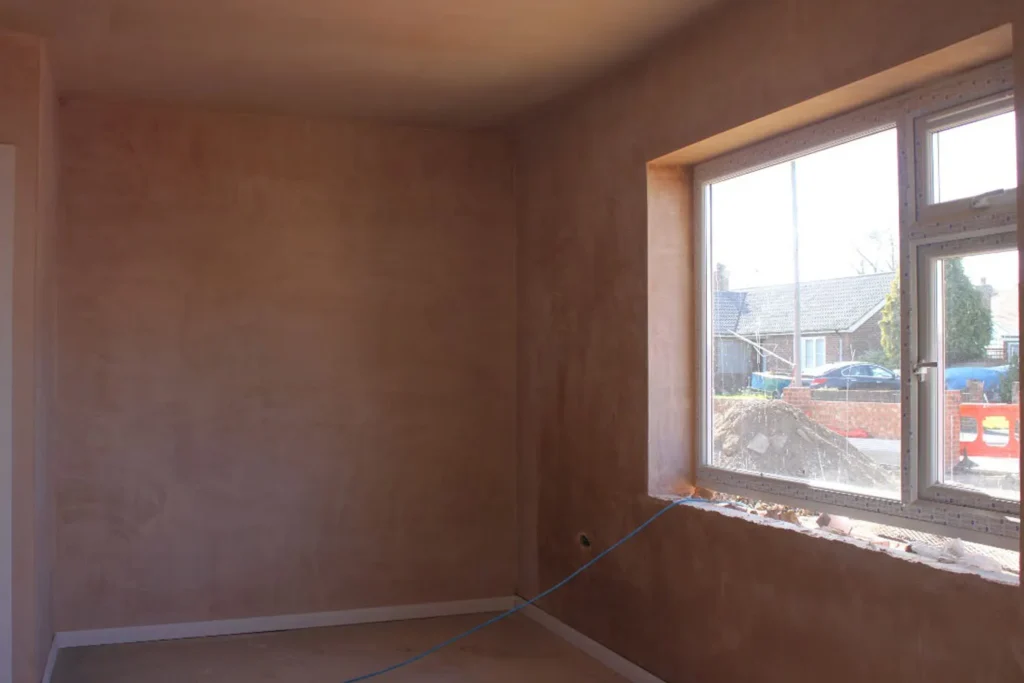
Whole room skimming creates unified smooth finishes that transform how spaces look and feel. Complete wall and ceiling coverage ensures consistent quality throughout — no patchy repairs, no texture mismatches, just seamless results everywhere. Professional plasterers work systematically, delivering even coverage and clean finishing that makes decorating effortless.
The difference between acceptable and excellent sits in the final ten minutes of finishing. Here’s where our focus goes across Newland.
Working across Newland for years means knowing property histories. The streets around St Marys Church flooded in ’97. The estate near Stow Minster had cavity wall insulation problems. The houses toward Saxon architecture suffer from condensation. History affects wall condition.
Single feature walls, whole room transformations, awkward ceiling repairs, invisible patch blending — each job type brings its own challenges. Consistent quality across Newland comes from adapting methods to match conditions, not applying the same approach everywhere.
The housing stock here — mostly stone cottages and victorian farmhouses, 2.4m to 2.7m (7.9ft – 8.9ft) ceilings — has specific characteristics worth knowing. Typical construction methods, common material choices, predictable weak points. Local focus builds practical understanding.
Enquiries reach the plasterer personally — not intermediaries booking jobs they don’t understand. You discuss surface conditions with someone who’s seen thousands of walls and knows which need stripping, which need bonding, and which just need keying.
Discussion establishes your starting point — existing surfaces, room requirements, preparation concerns. Site visit gets scheduled for mutual convenience, giving proper time to assess wall condition and provide accurate costs.
Site visits involve systematic surface reading — checking soundness, testing absorption, identifying weak spots, noting previous repairs. Preparation needs get explained clearly. Pricing matches actual wall condition, not generic estimates.
Jobs follow proper sequence — prep work, plaster application, finishing technique. Dust sheets go down for surrounding areas. Comprehensive cleanup occurs after completion. You receive practical information about drying requirements, mist coats, and decoration readiness.
Walls and plastering raise plenty of questions — how long it takes, what preparation involves, when you can paint. Here’s the straight answers to what most people ask about skimming.
Completion time depends heavily on wall condition. Average bedroom on sound plaster takes roughly a day. Poor surfaces needing preparation work take longer — sometimes considerably. Ceiling work adds time. Assessment reveals what your walls actually require.
Existing surface quality determines preparation. Well-bonded plaster takes skim coats directly after keying. Problem areas — hollow sections, loose coats, thick buildup — need stripping first. Assessment reveals genuine requirements rather than guessing.
Skimming applies thin finish coats over prepared surfaces — creating smooth walls from existing plaster. Plastering includes thicker applications like base coats on bare walls, rendering, or depth building. Typical home re-finishing means skimming over what’s there, not starting from scratch.
Paint condition affects preparation significantly. Matt emulsion over good plaster takes skim after proper keying. Gloss finishes, silk coatings, or thick paint layers prevent adequate adhesion — typically requiring removal or bonding treatment. Assessment determines your needs.
New plaster requires proper drying — typically 2-4 days minimum, longer for full curing. Mist coat first using watered-down emulsion to seal surfaces correctly. Decorating too early risks adhesion failures, peeling, and blistering.
Fill out the form or call now to speak directly to the plasterer covering your area. No call centres, no delays – just clear answers and fast action.
Your details are safe – we only use them to respond to your enquiry
Skimming covers all areas across Newland. Plasterers who know local walls properly — Victorian lime through to modern board — and what preparation each surface type actually needs.