
Smooth finishes that last start with understanding the surface beneath. Proper skimming throughout Sandfields — walls assessed, prepared correctly, coated evenly, finished while timing allows.
Skimming is skilled work that deserves a skilled tradesman, not the cheapest bidder from a platform race to the bottom. When quality matters more than saving twenty quid, direct contact with a proven plasterer makes sense.
Quality plastering needs a different approach.
We assign one experienced skimming specialist to Sandfields. Contact goes directly to them when your walls need attention — no call centres filtering requests, just professional response from the tradesman who’ll do the work.
Quality wall skimming eliminates surface problems that make decorating difficult. Cracks, bumps, patches, and uneven textures disappear beneath professionally applied skim coats, leaving smooth walls that take any finish beautifully. Experienced plasterers work methodically — proper prep, consistent application, clean finishing — delivering surfaces that transform how your rooms look and feel.
Have a read through the service details below. If it sounds like the right fit for your rooms, give us a call or fill in the form. If it’s not quite what you need, that’s fine — appreciate you taking the time.

Smooth wall skimming transforms problem surfaces into professional-quality finishes ready for decoration. Cracks, bumps, old repairs, and textured plaster all disappear beneath expertly applied skim coats. Experienced plasterers prepare surfaces properly, work methodically through each wall, and deliver consistent results — flat, smooth finishes that make decorating effortless and results impressive.
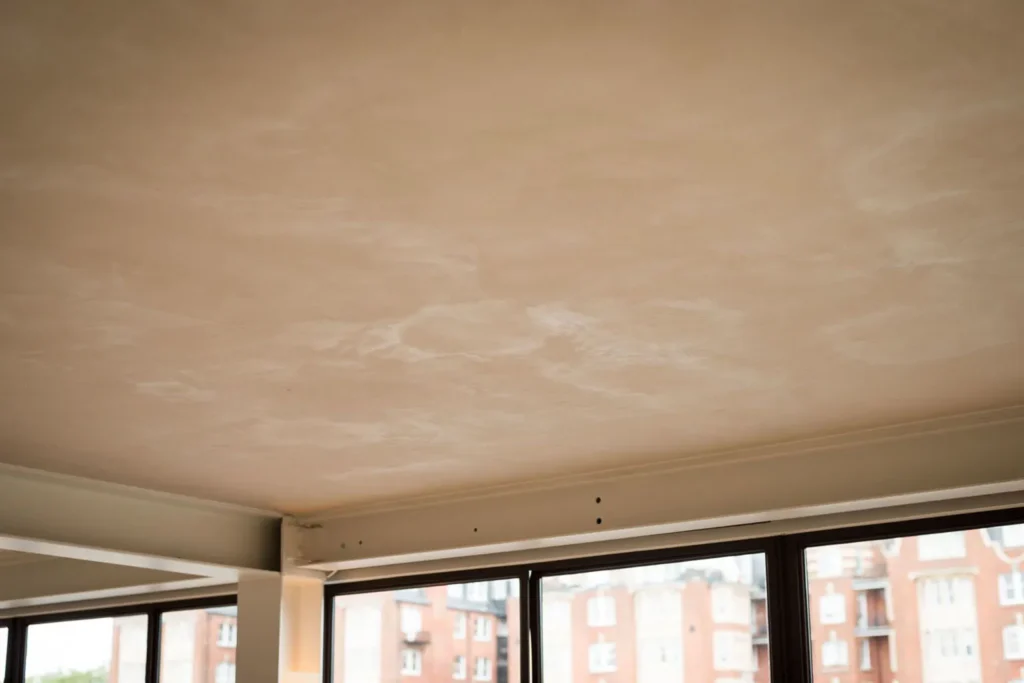
Re-skimming ceilings delivers smooth surfaces that transform room aesthetics completely. Textured patterns, visible repairs, and water staining disappear beneath flat skim coats that reflect light evenly. Professional ceiling work demands specific skills — working overhead, managing materials, finishing seamlessly — delivering results that modernise homes and simplify decorating.

Professional patch skimming restores localised damage without full room replastering. Impact holes, cable chases, and cracked sections respond to targeted repairs that blend perfectly with surrounding plaster. Experienced tradesmen match textures and finishes exactly — patches that disappear completely and save the cost of larger-scale work.
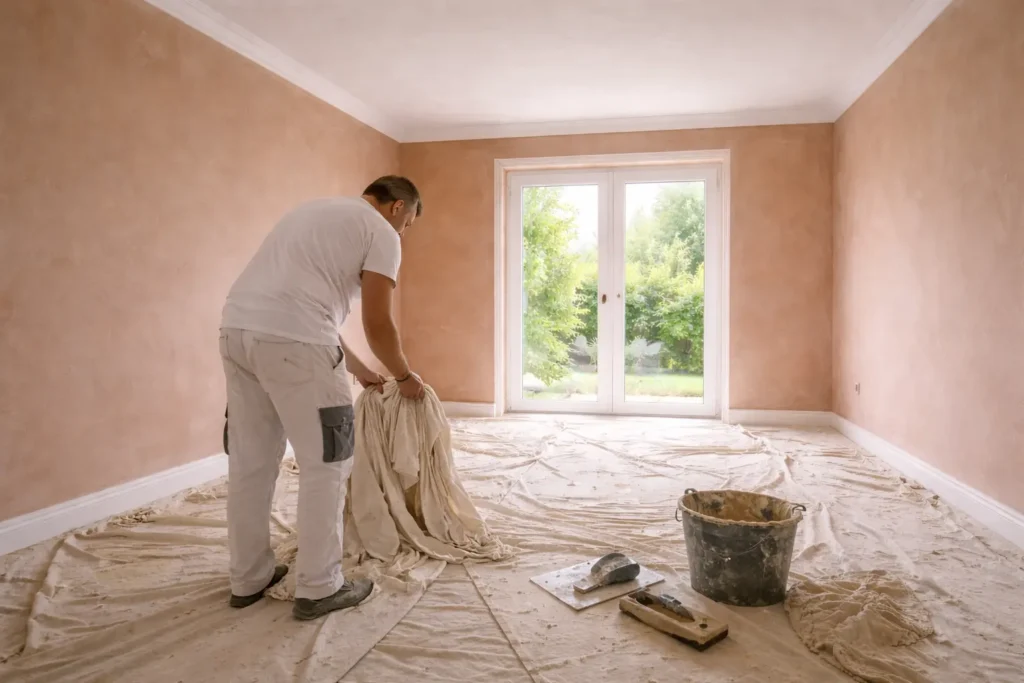
Finishing new plasterboard creates the smooth walls your extension or conversion deserves. Professional taping hides joints invisibly, while quality skim coats deliver decoration-ready surfaces throughout. Skilled plasterers work systematically — proper preparation, consistent application, clean finishing — transforming raw boards into flawless living spaces ready for decorating.
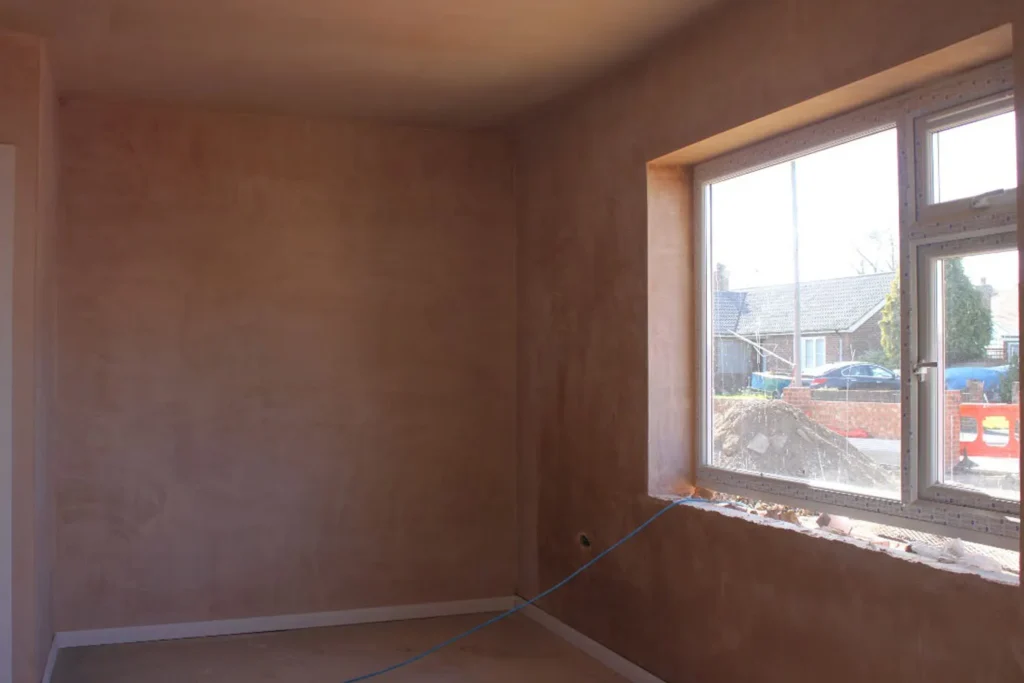
Complete room re-skimming transforms tired spaces with consistent professional finishes throughout. Walls and ceilings receive full attention — unified textures, even coverage, seamless quality everywhere. Experienced plasterers work efficiently through whole rooms, creating smooth surfaces that make spaces feel fresh and decorating straightforward.
Flat ceilings show bad walls. Flat walls show bad ceilings. Here’s why we finish both to the same standard throughout Sandfields.
Properties near Lichfield Cathedral tend toward solid nine-inch walls with lime plaster. Toward Beacon Park you hit more cavity construction with gypsum. Out near Samuel Johnson Birthplace the estates are mostly board. Knowing Sandfields’s building history makes preparation instinctive.
Kitchen walls after tile removal, bedroom ceilings hiding Artex, hallways with a century of wallpaper paste — every surface has history that affects how plaster behaves. We read that history properly across Sandfields before picking up a trowel.
Most Sandfields homes are georgian terraces or victorian houses with 2.7m to 3.2m (8.9ft – 10.5ft) ceilings. Working continuously on these property types develops pattern recognition — spotting preparation requirements quickly based on accumulated experience.
When you get in touch, the tradesman answers — same person who’ll assess your surfaces and apply the skim coats. Conversations about wall condition, preparation needs, and finishing standards happen with someone qualified to give proper answers.
They’ll ask practical questions — what’s on the walls now, how many rooms, any known problems. Assessment timing gets arranged based on availability, ensuring proper site evaluation before providing detailed quotations.
On-site evaluation includes systematic checking — surface soundness, absorption consistency, damp presence, repair history. The plasterer explains what preparation involves and why. Quotes based on actual conditions, not hopeful assumptions about hidden problems.
Work follows proper sequence — preparation, first coat, second coat, finishing. Dust sheets protect flooring and furniture throughout. Comprehensive cleanup follows completion. You’ll understand drying stages, mist coat requirements, and realistic timelines for decorating.
Walls and plastering raise plenty of questions — how long it takes, what preparation involves, when you can paint. Here’s the straight answers to what most people ask about skimming.
Duration depends on what the walls need, not just room dimensions. Sound surfaces needing simple re-skimming complete faster than blown plaster requiring strip-back. Standard bedroom typically takes a day on good walls, longer with preparation complications. You’ll receive realistic timing after surface inspection.
Surface condition determines preparation requirements. Solid existing plaster that’s well-bonded can receive skim directly after keying. Blown areas, loose coats, or excessive thickness need stripping. Assessment identifies which walls need what — avoiding unnecessary work while ensuring proper preparation.
Skim finishing creates smooth walls using thin coats — 2-3mm typically — over existing surfaces. Plastering encompasses heavier applications: base coats on masonry, render work, depth building. Most domestic re-finishing involves skimming existing plaster rather than full replastering.
Paint condition affects preparation significantly. Matt emulsion over good plaster takes skim after proper keying. Gloss finishes, silk coatings, or thick paint layers prevent adequate adhesion — typically requiring removal or bonding treatment. Assessment determines your needs.
Drying varies with conditions. Surface typically ready for mist coating within 2-4 days, full curing extends longer. New plaster needs diluted emulsion first — sealing porous surfaces before proper paint application. Insufficient drying causes failures.
Fill out the form or call now to speak directly to the plasterer covering your area. No call centres, no delays – just clear answers and fast action.
Your details are safe – we only use them to respond to your enquiry
Coverage extends across the whole of Sandfields. Quality skimming from plasterers who understand local construction — property ages, original materials, surface types — and what preparation each genuinely requires.