
Paint shows everything underneath — good prep or bad, flat walls or rippled. Professional skimming throughout Wycliffe that creates surfaces worth decorating.
Re-skimming a room should be straightforward, but the platform approach complicates everything. Post on Bark and suddenly you’re managing multiple quotes, juggling phone calls, and trying to work out who’s genuine. Direct contact with one trusted plasterer cuts through all that.
Getting walls skimmed shouldn’t be complicated.
Our approach is straightforward: one plasterer covers skimming work across Wycliffe. Direct contact means honest pricing — you speak to the person who’ll attend your home and deliver quality finishes without unnecessary complications.
Skimming work varies significantly depending on existing conditions. Sound plaster just needs re-coating, compromised areas need stripping back, and new boards need proper preparation — identifying the starting point ensures professional finishes.
See what we handle below and decide if we’re the right people for your job. If yes, contact us and we’ll get things moving. If no, that’s completely fine — thanks for checking.

Wall skimming services cover everything from single feature walls to complete room transformations. Damaged plaster, rough textures, and uneven surfaces all respond to professional re-skimming that creates smooth, consistent finishes. Experienced plasterers match existing textures where needed, blend repairs invisibly, and deliver walls that make decorating straightforward and results impressive.
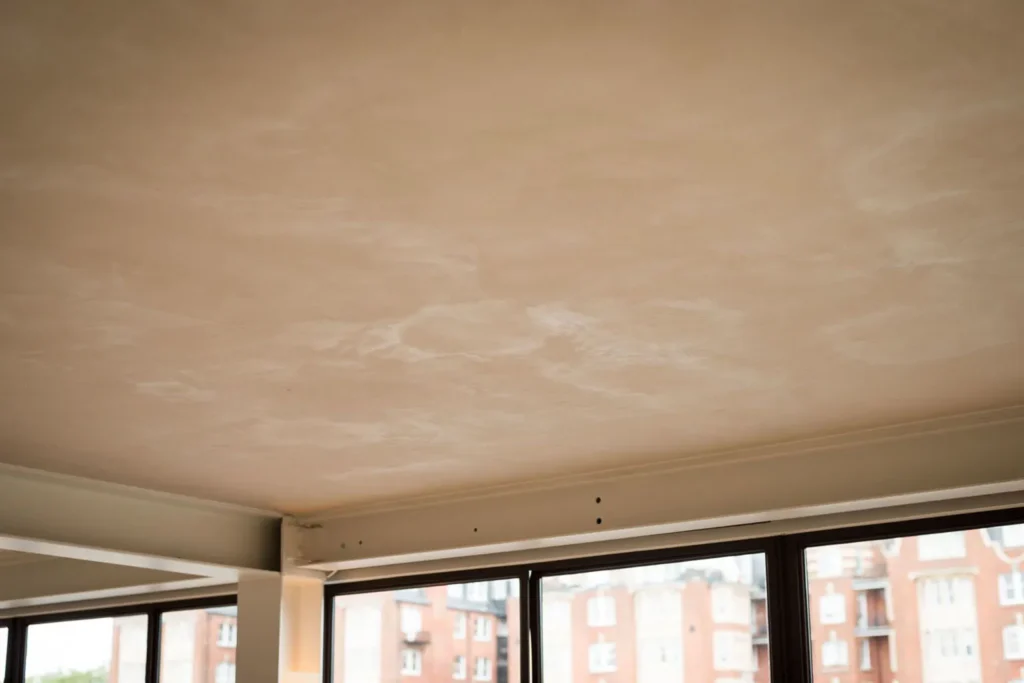
Ceiling skimming creates smooth, flat overhead surfaces that transform how rooms look and feel. Textured ceilings, Artex patterns, and damaged plaster disappear beneath professional skim coats applied by experienced plasterers. Working overhead requires specific technique — consistent coverage, proper drying between coats, and seamless finishing — delivering ceilings that reflect light evenly and make rooms feel fresh and modern.

Professional patch skimming restores localised damage without full room replastering. Impact holes, cable chases, and cracked sections respond to targeted repairs that blend perfectly with surrounding plaster. Experienced tradesmen match textures and finishes exactly — patches that disappear completely and save the cost of larger-scale work.
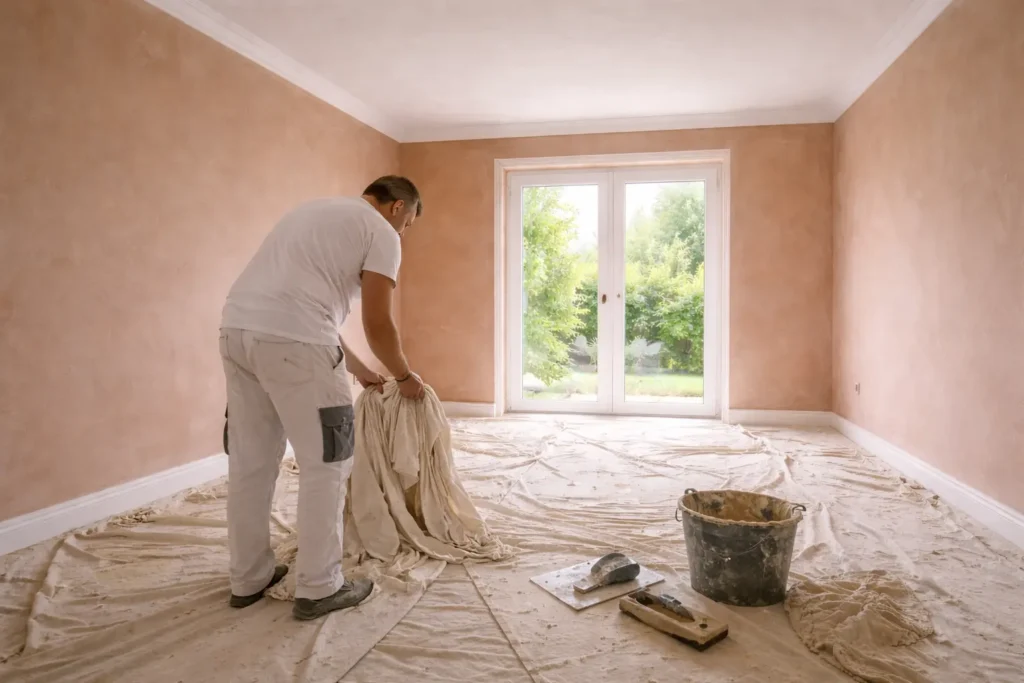
Finishing freshly boarded walls takes specialist skill that professional plasterers apply to extensions and conversions. Taped joints disappear beneath smooth skim coats, creating seamless surfaces ready for paint or paper. Quality preparation and application ensure lasting results — no visible joins, no corner cracking, just flawless finishes that make new spaces feel complete.
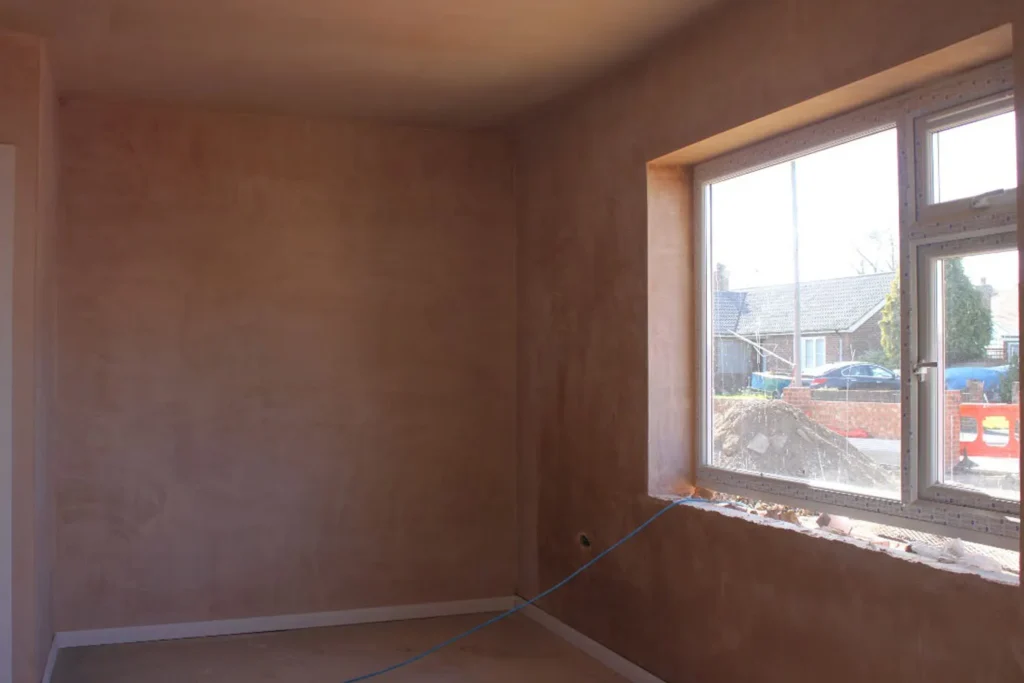
Complete room skimming unifies wall and ceiling finishes for consistent results throughout your spaces. When surfaces need full attention, professional re-plastering delivers smooth coverage everywhere — same quality walls and ceilings, seamless transitions, flawless finishing. Experienced tradesmen work systematically, transforming tired rooms into fresh, decoration-ready spaces.
Skimming looks easy until you try it yourself. Here’s the trade knowledge behind our consistently smooth finishes across Wycliffe.
From solid walls near Aylestone Meadows to cavity construction around Grand Union Canal and board systems toward River Soar, we’ve worked on Wycliffe’s full housing spectrum. That experience builds preparation instincts that speed assessment and prevent mistakes.
Old lime plaster, modern gypsum, fresh plasterboard, patched areas mixing all three — each responds differently to skim coats. Experience across Wycliffe properties means recognising what we’re working on and adjusting technique accordingly.
For the most part victorian terraced and inter-war semi-detached make up most of Wycliffe, typically with 2.4m to 2.7m (7.9ft – 8.9ft) ceilings. Those building types share common features — similar construction eras, comparable materials, predictable issues. Understanding the patterns improves every job.
Your message connects straight to the local plasterer — someone who can talk sensibly about existing surfaces, preparation requirements, and what’s actually involved in achieving smooth walls. No script readers, just trade knowledge.
Initial questions establish the scope — surface types, room count, known problems, finish expectations. The plasterer uses this to plan assessment requirements, then schedules a convenient visit to inspect walls properly and quote accurately.
Assessment includes thorough surface checking — hollow spots, suction differences, failed previous coats, damp indicators. You’ll know what preparation’s required before work begins. Clear quotes follow, based on actual wall condition rather than estimates from descriptions.
Skimming proceeds professionally — surfaces prepared correctly, plaster mixed fresh, coats applied evenly, finishing done at the right moment. Protection goes down throughout, cleanup happens after. Clear guidance covers drying periods, mist coat timing, and decoration readiness.
People booking skimming want practical details — what’s involved, how long it takes, what happens after. Straight answers here, kept simple.
A typical room with reasonable walls takes around a day to complete. Surface condition affects timing more than room size — walls needing stripping, bonding, or extensive prep work add time. Ceiling skimming alongside walls adds half a day typically. Assessment provides accurate scheduling for your specific surfaces.
Stripping isn’t always necessary — wall condition dictates preparation. Sound plaster receives skim directly over existing surfaces. Hollow sections, loose coats, or thick buildup need removing first. Assessment reveals what your walls genuinely require.
Skimming applies thin finish coats over existing surfaces — typically 2-3mm thickness creating smooth, paintable walls. Plastering involves thicker applications — base coats on bare brick, render layers, or building up depth where needed. Most domestic re-finishing work involves skimming over existing plaster rather than full plastering from scratch.
Depends on the paint and what’s beneath. Thin matt emulsion over good plaster skims after proper keying preparation. Thick paint layers, gloss finishes, or silk coatings prevent proper adhesion — usually needing removal or bonding treatment. Assessment determines requirements for your surfaces.
New skim needs drying time — typically 2-4 days for surface drying, weeks for complete curing. Mist coat first using diluted matt emulsion to seal porous surfaces. Then proper painting follows. Rushing decoration risks adhesion failure and paint defects.
Fill out the form or call now to speak directly to the plasterer covering your area. No call centres, no delays – just clear answers and fast action.
Your details are safe – we only use them to respond to your enquiry
We cover skimming work across the complete Wycliffe region. Tradesmen familiar with local properties — building eras, typical conditions, surface behaviours — delivering finishes that suit these walls.