
Rough walls transformed into smooth, paintable surfaces. Proper skimming throughout Belgrave — surfaces assessed correctly, prepared thoroughly, finished to standards that show under any light.
Getting clean, smooth walls shouldn’t involve managing a procurement process. The big platforms turn simple skimming jobs into comparison exercises that waste your time. One phone call to a trusted tradesman gets better results faster.
There’s a clearer route to great finishes.
We assign one reliable skimming specialist to Belgrave. Contact goes directly to them — no middlemen, no quoting competitions. Just the person who’ll attend your property and deliver professional skim coats.
Professional wall skimming delivers the smooth finish that transforms how rooms look and feel. Rough plaster, textured surfaces, and patchy walls disappear beneath expertly applied skim coats, creating perfect bases for paint or wallpaper. Experienced plasterers prepare surfaces properly, apply consistent coverage, and finish to high standards — leaving walls flat, smooth, and ready for whatever decorative finish you choose.
Check through the service details below to see if we’re suited to your job. If yes, reach out — we’ll get back quickly. If no, that’s completely fine — good luck with your project.

Wall skimming services cover everything from single feature walls to complete room transformations. Damaged plaster, rough textures, and uneven surfaces all respond to professional re-skimming that creates smooth, consistent finishes. Experienced plasterers match existing textures where needed, blend repairs invisibly, and deliver walls that make decorating straightforward and results impressive.
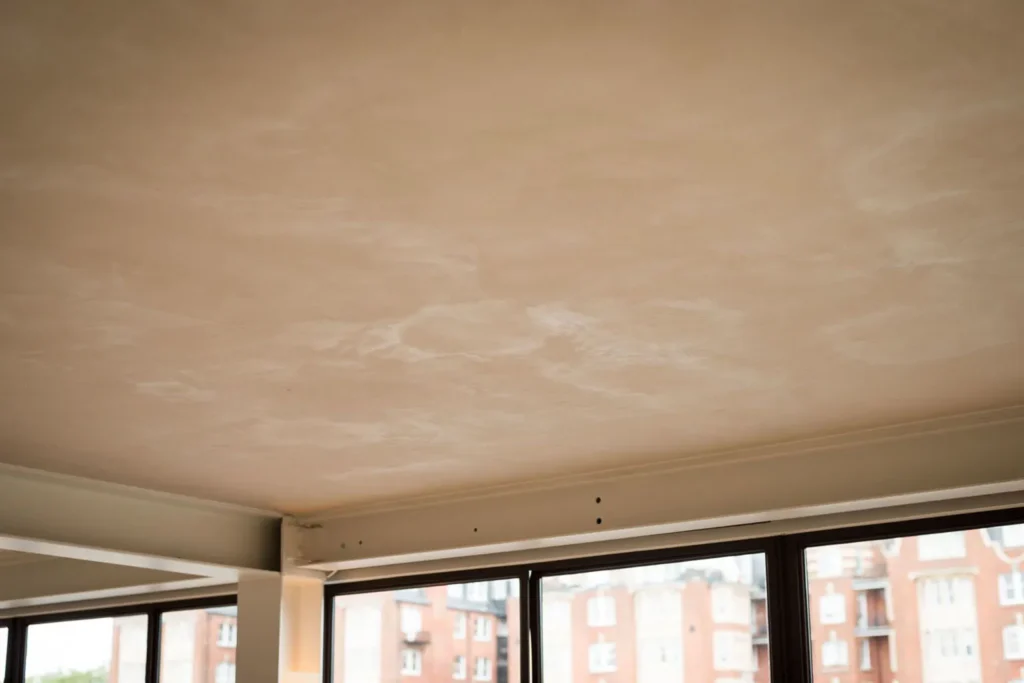
Smooth ceiling finishes require specialist skimming skills that experienced plasterers develop over years of overhead work. Gravity works against ceiling plastering, making technique crucial for consistent, lasting results. Professional skim coats transform textured, damaged, or outdated ceilings into flat surfaces that reflect light evenly — rooms feel brighter, bigger, and more modern.

Targeted repair skimming handles damage efficiently without extensive disruption or cost. Holes from fixtures, cracks from settlement, and impact damage all respond to professional patching that blends invisibly. Skilled plasterers feather edges, match textures, and finish seamlessly — repairs that stay hidden and restore walls to consistent smooth finishes.
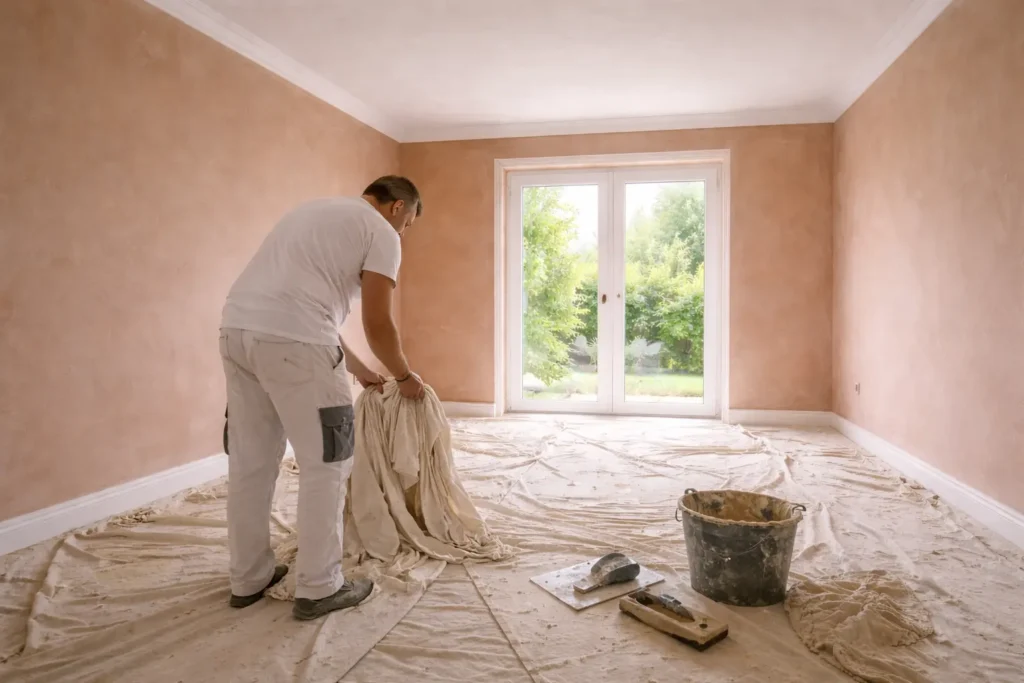
Professional finishing transforms new plasterboard into smooth, seamless surfaces ready for any decorative treatment. Extensions, loft conversions, and new builds need quality taping, jointing, and skimming to create walls that look right. Skilled plasterers ensure lasting results — no visible joints showing through, no cracking over time, just flawless finishes throughout.
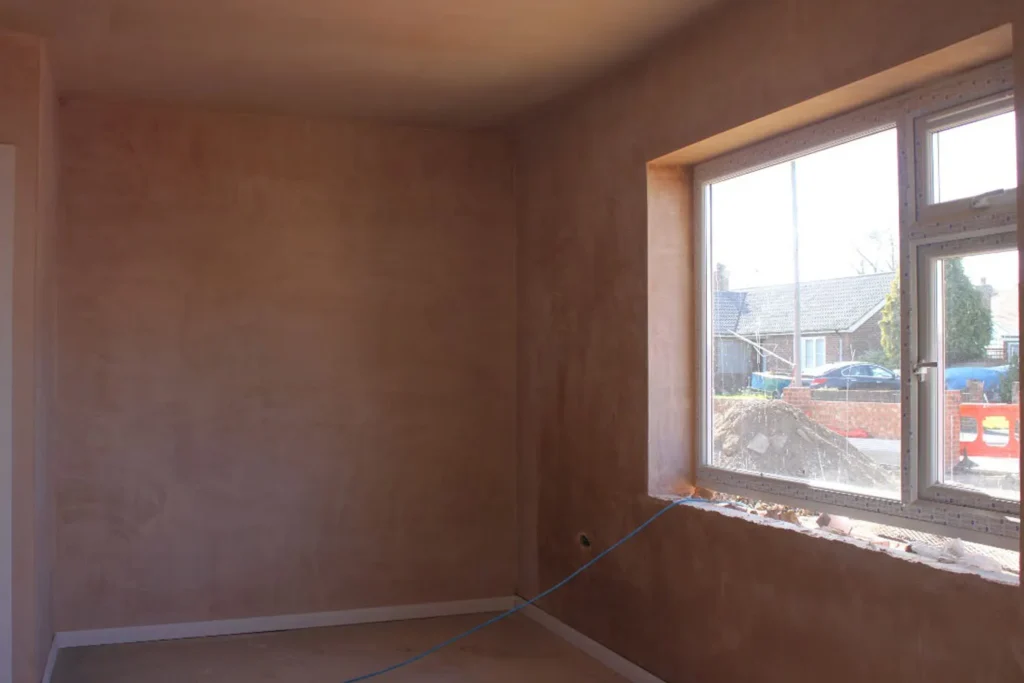
Full room plastering unifies surfaces with consistent smooth finishes across walls and ceilings together. Comprehensive re-skimming eliminates texture variations and patchy areas — delivering seamless results throughout. Skilled tradesmen work room by room, ensuring even quality and professional finishing that transforms spaces completely.
Plaster forgives nothing — every shortcut shows eventually. Here’s the honest detail on how we work throughout Belgrave.
Properties near Belgrave Road tend toward solid nine-inch walls with lime plaster. Toward Abbey Park you hit more cavity construction with gypsum. Out near River Soar the estates are mostly board. Knowing Belgrave’s building history makes preparation instinctive.
Re-skimming old walls, smoothing over textured ceilings, finishing new extension boards, blending repairs into existing surfaces — different starting points need different approaches. We assess properly before mixing any plaster, ensuring preparation matches what Belgrave walls actually need.
For the most part victorian terraced and edwardian terraced make up most of Belgrave, typically with 2.5m to 2.8m (8.2ft – 9.2ft) ceilings. Those building types share common features — similar construction eras, comparable materials, predictable issues. Understanding the patterns improves every job.
When you get in touch, the tradesman answers — same person who’ll assess your surfaces and apply the skim coats. Conversations about wall condition, preparation needs, and finishing standards happen with someone qualified to give proper answers.
Initial questions establish the scope — surface types, room count, known problems, finish expectations. The plasterer uses this to plan assessment requirements, then schedules a convenient visit to inspect walls properly and quote accurately.
Assessment includes thorough surface checking — hollow spots, suction differences, failed previous coats, damp indicators. You’ll know what preparation’s required before work begins. Clear quotes follow, based on actual wall condition rather than estimates from descriptions.
Jobs proceed methodically — surface prep, plaster application, skilled finishing. Protection covers surrounding areas throughout work. Complete tidying follows. You receive practical guidance about drying times, emulsion misting requirements, and decoration scheduling.
Planning plastering work brings practical questions — preparation needs, realistic timelines, decoration timing. Here’s the straightforward information most people ask for.
Completion time depends heavily on wall condition. Average bedroom on sound plaster takes roughly a day. Poor surfaces needing preparation work take longer — sometimes considerably. Ceiling work adds time. Assessment reveals what your walls actually require.
Surface condition governs preparation requirements. Well-bonded existing plaster takes skim coats directly. Blown sections need removal. Thick previous coats sometimes require stripping. Assessment identifies what your walls actually need rather than assuming worst-case scenarios.
Skimming applies thin finish coats over prepared surfaces — creating smooth walls from existing plaster. Plastering includes thicker applications like base coats on bare walls, rendering, or depth building. Typical home re-finishing means skimming over what’s there, not starting from scratch.
Depends on what paint and how much. Thin matt emulsion takes skim after keying preparation. Thick layers, gloss finishes, or silk coatings cause adhesion problems — usually requiring removal or bonding agent application. Assessment identifies the right approach for your surfaces.
New skim needs drying time — typically 2-4 days for surface drying, weeks for complete curing. Mist coat first using diluted matt emulsion to seal porous surfaces. Then proper painting follows. Rushing decoration risks adhesion failure and paint defects.
Fill out the form or call now to speak directly to the plasterer covering your area. No call centres, no delays – just clear answers and fast action.
Your details are safe – we only use them to respond to your enquiry
We operate across the whole of Belgrave. Professional skimming backed by genuine knowledge of local housing construction, typical wall conditions, and effective preparation approaches.