
Walls you’ll want to show off rather than apologise for. Skilled skimming throughout Micklefield — proper preparation, even application, finishes that reflect light evenly.
Skimming is skilled work that deserves a skilled tradesman, not the cheapest bidder from a platform race to the bottom. When quality matters more than saving twenty quid, direct contact with a proven plasterer makes sense.
There’s a clearer route to great finishes.
One plasterer covers skimming work across Micklefield. You speak to them directly, they assess your walls, and they complete the job. No platform delays, no multiple callbacks — just straightforward professional service.
Skim coat requirements differ between properties and rooms. Bathrooms following re-tiling need different prep than living rooms after wallpaper removal, and each situation benefits from experienced professional assessment and appropriate technique.
Have a read through the service details below. If it sounds like the right fit for your rooms, give us a call or fill in the form. If it’s not quite what you need, that’s fine — appreciate you taking the time.

Flawless wall finishes require professional skimming from tradesmen who understand surface preparation and application technique. Rough walls, patchy repairs, and textured surfaces transform into smooth canvases ready for paint or paper. Quality materials, proper preparation, and skilled application combine to create lasting results — walls that stay flat, take decoration evenly, and look professionally finished.
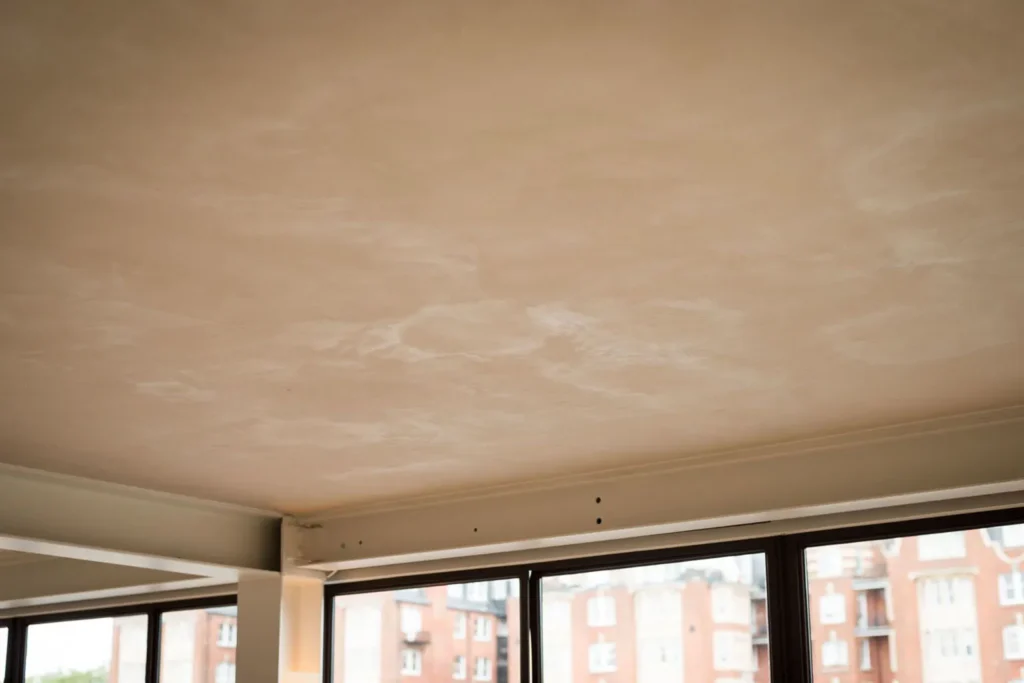
Expert ceiling skimming handles textured surfaces that paint alone can’t fix. Artex patterns, stippled finishes, and rough plaster need professional skim coating to create flat, contemporary ceilings. Skilled tradesmen prepare surfaces correctly, apply even coverage overhead, and finish to high standards — ceilings transformed and ready for decoration.

Seamless plaster repairs require skilled blending technique that makes patches invisible on finished walls. Damage from removed fittings, accidental impacts, and minor cracking gets properly prepared and skim coated to match existing surfaces. Professional plasterers understand feathering, texture matching, and finishing — delivering repairs that disappear completely under paint or wallpaper.
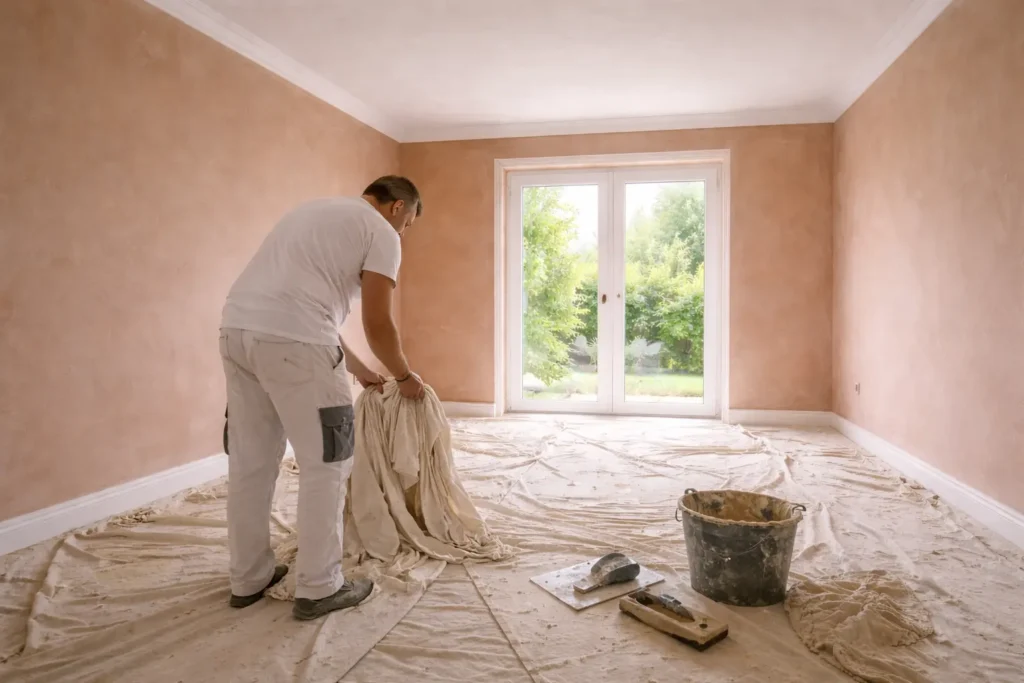
Finishing freshly boarded walls takes specialist skill that professional plasterers apply to extensions and conversions. Taped joints disappear beneath smooth skim coats, creating seamless surfaces ready for paint or paper. Quality preparation and application ensure lasting results — no visible joins, no corner cracking, just flawless finishes that make new spaces feel complete.
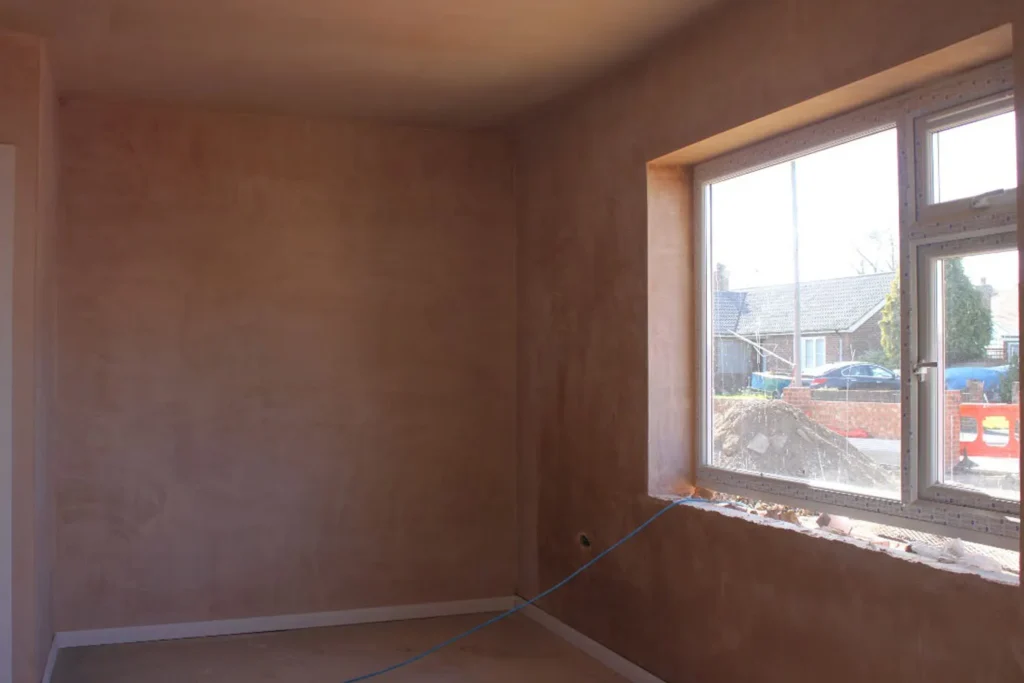
Complete room re-skimming transforms tired spaces with consistent professional finishes throughout. Walls and ceilings receive full attention — unified textures, even coverage, seamless quality everywhere. Experienced plasterers work efficiently through whole rooms, creating smooth surfaces that make spaces feel fresh and decorating straightforward.
Anyone can spread plaster — fewer can leave it properly flat. Here’s what separates our skimming work from average results across Micklefield.
Properties around Leeds Town Hall were mostly built pre-war — lime plaster, lath ceilings, solid walls. Near Leeds Minster the fifties estates dominate. Toward City Square it’s newer construction. Each era across Micklefield needs different preparation approaches.
Old lime plaster, modern gypsum, fresh plasterboard, patched areas mixing all three — each responds differently to skim coats. Experience across Micklefield properties means recognising what we’re working on and adjusting technique accordingly.
Locally victorian terraces and inter-war semis properties dominate Micklefield, generally 2.6m to 2.8m (8.5ft – 9.2ft) to the ceiling. Years skimming this specific housing builds instinct about wall behaviour, typical conditions, and preparation approaches that deliver lasting results.
Calls and forms go straight to your area’s tradesman — no filtering through people who’ve never held a trowel. You get honest conversation about wall types, preparation needs, and what quality skimming actually requires.
Conversation focuses on understanding the job — current surface state, scope of work, access considerations. Assessment gets booked at convenient timing to inspect walls thoroughly and provide clear, accurate pricing.
Assessment means evaluating walls properly — adhesion testing, suction checking, damp investigation, previous repair assessment. The plasterer explains preparation requirements in plain English. Quotes based on real conditions, not phone descriptions.
Jobs happen professionally — thorough prep, even application, timely finishing work. Furniture and floors get protected properly, and comprehensive cleanup follows. You receive specific advice about drying periods, mist coating, and when full decorating can start.
People booking skimming want practical details — what’s involved, how long it takes, what happens after. Straight answers here, kept simple.
A typical room takes around a day on cooperative surfaces. Wall condition affects timing more than room size — extensive preparation needs stretch schedules significantly. Ceilings add time. Assessment provides realistic duration based on your specific surface condition.
Stripping depends on what’s there already. Firmly attached plaster in good condition skims over directly. Hollow-sounding blown areas need removing. Thick multi-coat buildup sometimes requires stripping back. Wall assessment reveals which approach your surfaces need.
Skim coats are thin finish layers — 2-3mm typically — applied over existing surfaces to create smooth walls. Plastering covers heavier applications including base coats on masonry, render work, or building depth. Most domestic work involves skimming existing plaster rather than full replastering.
Sometimes — it depends on paint type and surface preparation. Matt emulsion over sound plaster can receive skim after proper keying with coarse sandpaper or bonding agent. Gloss, silk, or multiple thick paint coats create adhesion problems — stripping or heavy preparation often necessary. Assessment determines what approach your painted walls need.
Drying varies with conditions — ventilation, temperature, coat thickness. Surface typically dries enough in 2-4 days for mist coating, though full cure takes weeks. Diluted matt emulsion first seals the surface properly. Early decoration causes paint problems.
Fill out the form or call now to speak directly to the plasterer covering your area. No call centres, no delays – just clear answers and fast action.
Your details are safe – we only use them to respond to your enquiry
Skimming covers all areas across Micklefield. Plasterers who know local walls properly — Victorian lime through to modern board — and what preparation each surface type actually needs.