
Walls that take paint properly start with proper skimming. Flat, smooth finishes across City Centre — preparation done right, coats applied evenly, surfaces ready for whatever decoration you’re planning.
Posting skimming jobs online generates responses but not necessarily the right ones. Some quote low to win work then find extras, others quote high hoping you won’t check. Working directly with an established tradesman avoids the games.
We’ve taken a simpler route.
One plasterer covers skimming work across City Centre. You speak to them directly, they assess your walls, and they complete the job. No platform delays, no multiple callbacks — just straightforward professional service.
Skimming requirements vary between properties. Victorian solid walls behave differently than modern plasterboard, and each surface type needs appropriate preparation and application — recognising these differences ensures professional finishes throughout.
Read through what’s covered below and see if it fits your project. If it does, we’re here to help — just call or message. If it doesn’t quite match, that’s absolutely fine.

Smooth wall skimming transforms problem surfaces into professional-quality finishes ready for decoration. Cracks, bumps, old repairs, and textured plaster all disappear beneath expertly applied skim coats. Experienced plasterers prepare surfaces properly, work methodically through each wall, and deliver consistent results — flat, smooth finishes that make decorating effortless and results impressive.
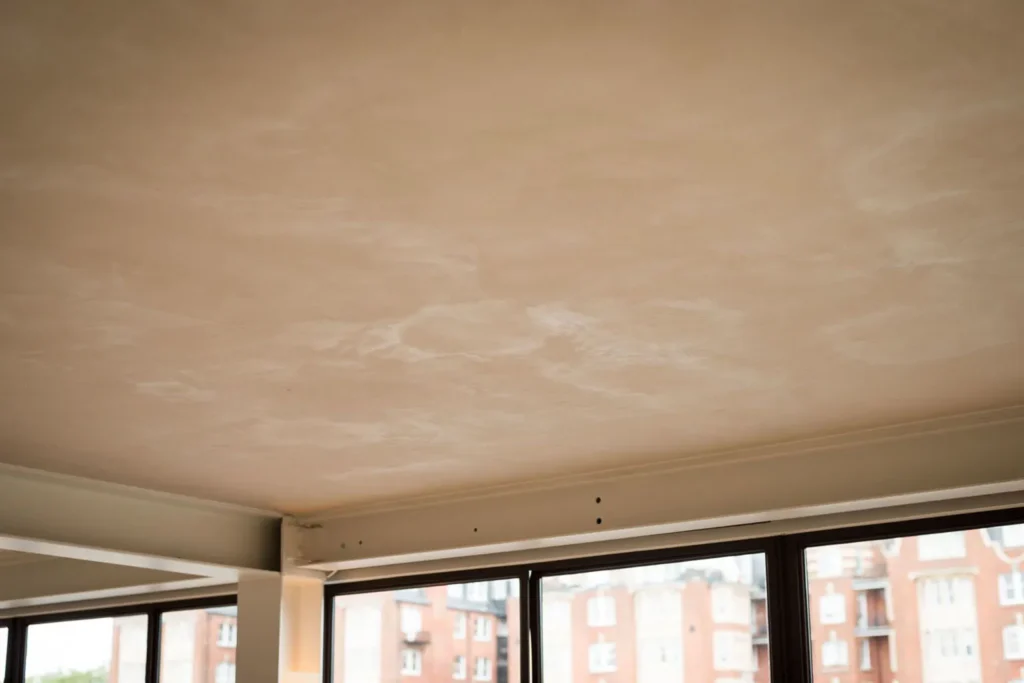
Expert ceiling skimming handles textured surfaces that paint alone can’t fix. Artex patterns, stippled finishes, and rough plaster need professional skim coating to create flat, contemporary ceilings. Skilled tradesmen prepare surfaces correctly, apply even coverage overhead, and finish to high standards — ceilings transformed and ready for decoration.

Quality repair skimming makes wall damage disappear without extensive replastering. Localised problems — fixture marks, impact holes, cracked areas — respond to professional patching that blends seamlessly. Skilled plasterers prepare surfaces properly, match existing textures, and finish so repairs become completely invisible under any decoration.
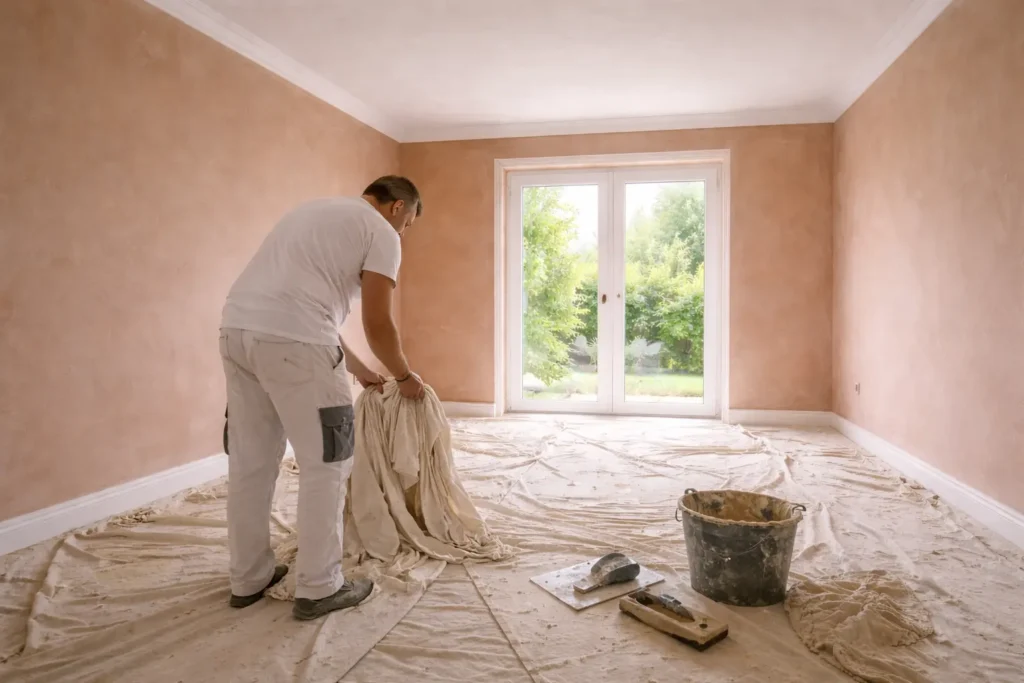
Expert new construction plastering finishes boards to smooth, professional standards throughout your project. Extensions, conversions, and new builds require skilled taping and skimming to create walls ready for decoration. Experienced plasterers prepare joints correctly, apply even skim coats, and finish to high standards — seamless results that complete your build.
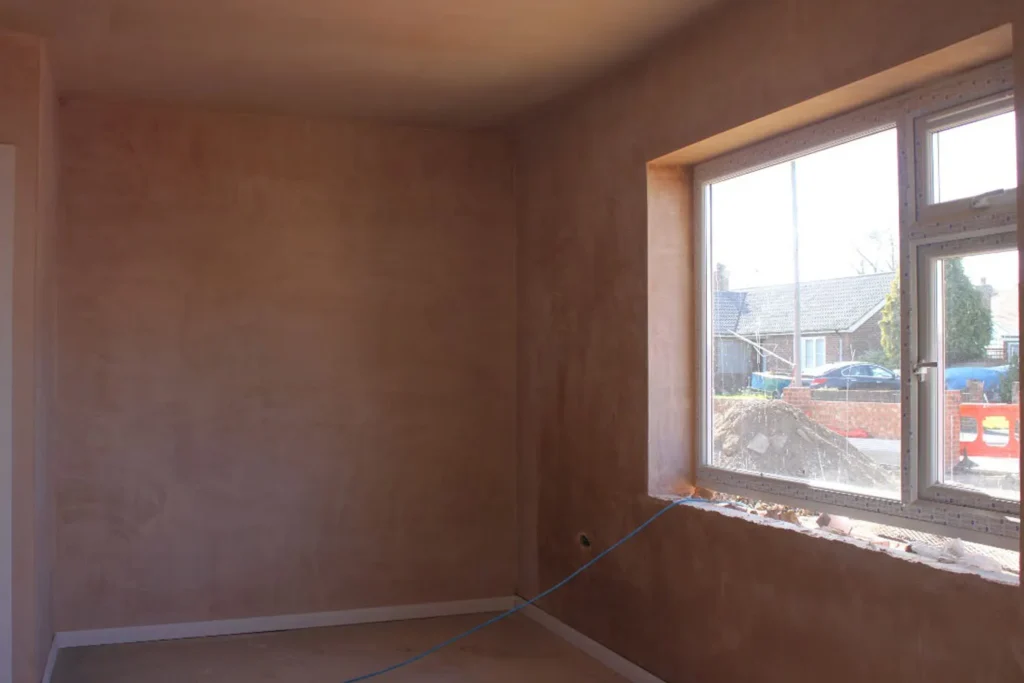
Full room plastering unifies surfaces with consistent smooth finishes across walls and ceilings together. Comprehensive re-skimming eliminates texture variations and patchy areas — delivering seamless results throughout. Skilled tradesmen work room by room, ensuring even quality and professional finishing that transforms spaces completely.
Picking a plasterer for skimming isn’t straightforward — prices vary, quality varies, and you can’t see the difference until paint goes on. Here’s what we offer across City Centre.
Properties around Parish Church to Aldcliffe Primary School span a century of construction methods. City Centre walls reflect changing materials, fashions, and building standards. Understanding that timeline helps anticipate preparation needs before problems appear.
Re-skimming old walls, smoothing over textured ceilings, finishing new extension boards, blending repairs into existing surfaces — different starting points need different approaches. We assess properly before mixing any plaster, ensuring preparation matches what City Centre walls actually need.
Most City Centre properties are terraced cottages or modern estates with 2.4m to 2.7m (7.9ft – 8.9ft) ceilings. Working exclusively on this housing type builds specific knowledge — where walls tend to blow, how surfaces typically behave, what preparation delivers lasting results.
When you make contact, the plasterer responds personally — same tradesman who’ll assess your walls and complete the skimming throughout City Centre. Wall condition, surface preparation, realistic timelines — proper discussion from the start.
They’ll ask about your walls — what’s on them, what state they’re in, how many rooms need work. This shapes the assessment visit, which gets arranged for a mutually convenient time to inspect surfaces thoroughly before providing detailed costs.
Assessment means properly reading your walls — tapping for hollow sections, checking suction rates, identifying previous repairs, spotting potential problems. The plasterer explains what preparation’s needed and why. You get clear pricing based on actual surface condition, not guesswork from photos.
Work happens systematically — thorough preparation, even coating, skilled finishing while plaster’s workable. Protection throughout, cleanup after. You’ll know specific drying times, when mist coat application should happen, and how soon full decoration can begin.
Skimming questions tend to follow patterns — how’s it done, how long’s it take, when can I decorate. Clear answers below, nothing complicated.
Room skimming duration varies with size and surface condition. Average bedroom on decent walls completes in a day. Larger rooms, problematic surfaces, or ceiling work extends timing. Preparation requirements significantly affect duration — walls needing bonding or extensive repairs take longer than straightforward re-skims.
Not always — it depends on existing surface condition. Sound plaster that’s firmly attached just needs keying and coating. Blown plaster that sounds hollow when tapped needs removing. Multiple previous coats building thickness sometimes require stripping. Assessment determines what your specific walls need — some skim straight over, others need work first.
Skim coats are thin finish applications — 2-3mm — creating smooth surfaces over existing plaster. Plastering covers broader scope including base coats, render application, depth building on masonry. Most domestic work involves re-skimming rather than complete replastering.
Depends on the paint situation. Thin matt emulsion takes skim after keying preparation. Thick coatings, gloss finishes, or silk paint prevent proper adhesion — usually needing removal or bonding agent application. Assessment identifies requirements for your specific surfaces.
Standard skimming needs 2-4 days surface drying in well-ventilated rooms, though complete cure takes weeks. Mist coat application first — diluted matt emulsion sealing porous new plaster. Then proper decoration. Rushing causes paint problems.
Fill out the form or call now to speak directly to the plasterer covering your area. No call centres, no delays – just clear answers and fast action.
Your details are safe – we only use them to respond to your enquiry
Skimming work covers the complete City Centre region. Local understanding of property construction, typical plaster conditions, and preparation methods that suit these specific housing types.