
Walls that take paint properly start with proper skimming. Flat, smooth finishes across Castle — preparation done right, coats applied evenly, surfaces ready for whatever decoration you’re planning.
When you need professional skimming, the traditional platform route adds unnecessary steps. List the job, wait for responses, compare quotes, check reviews, make a decision — all while your walls sit there looking rough. Simpler is better.
We’ve simplified the whole process.
Castle has one reliable skimming specialist assigned. Your call or form reaches them directly — the same person who’ll survey your rooms and deliver flawless finishes without competitive quoting games.
Skimming requirements vary between properties. Victorian solid walls behave differently than modern plasterboard, and each surface type needs appropriate preparation and application — recognising these differences ensures professional finishes throughout.
Read the breakdown below and decide if we handle your type of skimming. If we do, get in contact and we’ll respond promptly. If we don’t, that’s fine — appreciate you stopping by.

Wall skimming transforms rough, damaged, or outdated surfaces into smooth, paintable finishes ready for any decoration. Whether following wallpaper removal, covering old Artex, or refreshing tired plasterwork, professional skim coats create flawless walls throughout your home. Skilled application ensures consistent coverage, clean edges around sockets and switches, and durable surfaces that won’t crack or flake — giving rooms a fresh, modern feel that makes decorating effortless.
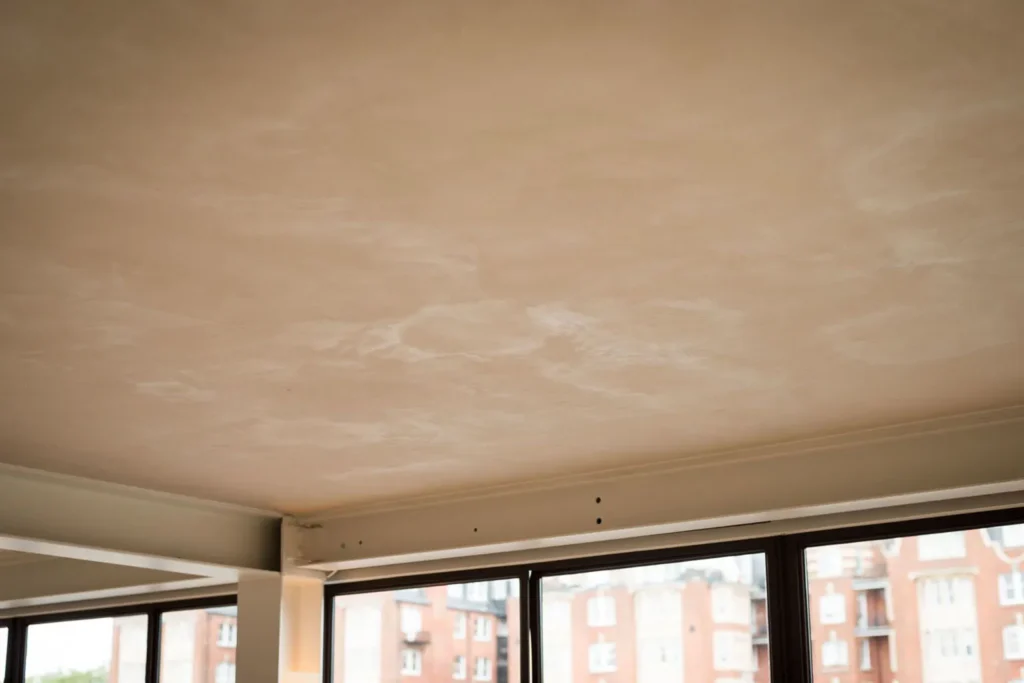
Quality ceiling skimming delivers the flat, smooth finish that makes rooms feel fresh and contemporary. Textured surfaces, old damage, and uneven plaster disappear beneath expertly applied skim coats. Professional plasterers understand overhead work demands — proper technique prevents sagging, ensures even coverage, and creates seamless finishes that last without cracking.

Expert patch plastering makes repairs invisible through skilled blending and finishing technique. Localised damage gets properly prepared and skim coated with careful feathering into surrounding surfaces. Professional tradesmen match existing textures and finishes exactly — patches that paint over seamlessly and stay hidden permanently without requiring full wall re-skimming.
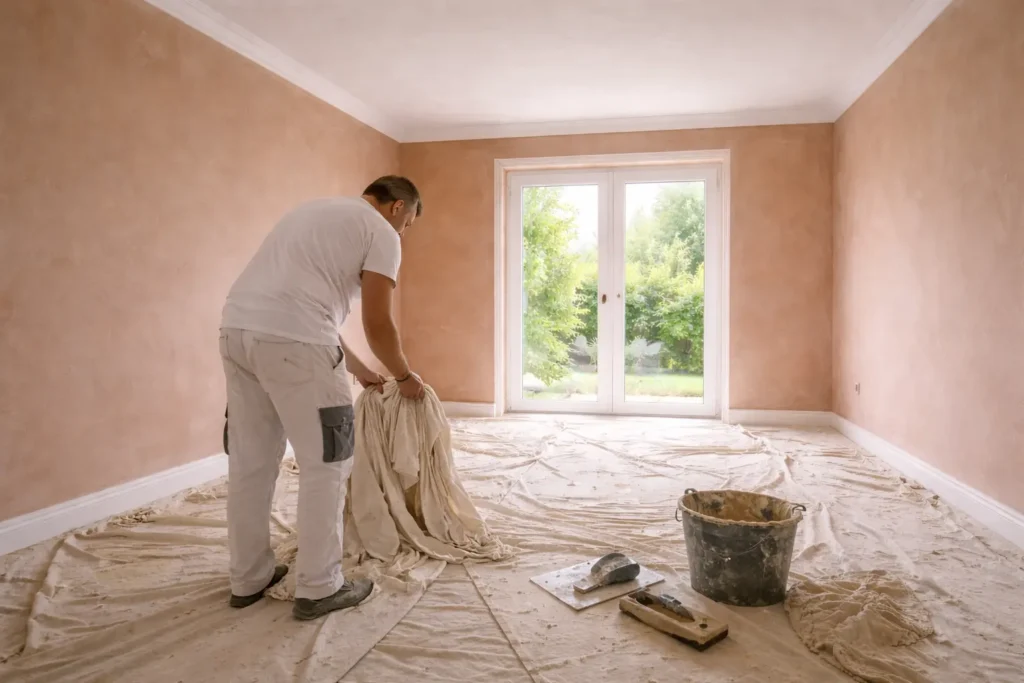
New build skim plastering creates flawless walls from freshly installed plasterboard. Extensions, conversions, and renovation projects require expert joint treatment and smooth skim coats to deliver decoration-ready surfaces. Experienced plasterers work methodically — proper preparation, quality application, clean finishing — transforming construction into comfortable living spaces.
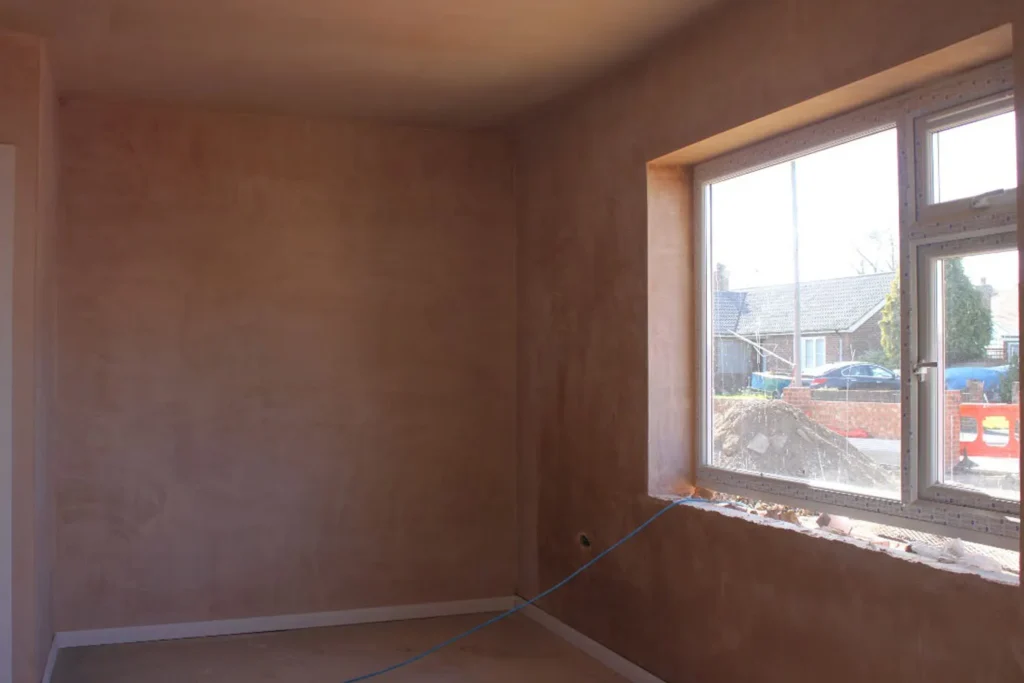
Full re-skim plastering transforms tired rooms into fresh, modern spaces with consistent finishes throughout. Walls and ceilings receive complete coverage — no patching, no texture mismatches, just smooth surfaces everywhere. Skilled plasterers work room by room, delivering unified results that make decorating straightforward and rooms feel completely renewed.
Flat ceilings show bad walls. Flat walls show bad ceilings. Here’s why we finish both to the same standard throughout Castle.
Experience throughout Castle — Parish Church, Aldcliffe Park, Aldcliffe Primary School — reveals patterns invisible to outsiders. Certain streets always have damp. Specific builders always used weak mixes. Some estates got cheap materials throughout. That knowledge guides preparation.
Old lime plaster, modern gypsum, fresh plasterboard, patched areas mixing all three — each responds differently to skim coats. Experience across Castle properties means recognising what we’re working on and adjusting technique accordingly.
Castle’s housing — predominantly terraced cottages and modern estates with 2.4m to 2.7m (7.9ft – 8.9ft) ceilings — has characteristics we’ve learned through repetition. Typical construction, common problems, effective preparation. That focused experience improves every job.
When you get in touch, you’re talking to the plasterer directly — not a call centre reading prompts. Wall assessment, preparation planning, finishing standards — everything gets discussed with the person who’ll actually transform your surfaces.
They’ll want to understand your walls — existing condition, required work, known issues. Based on this, assessment gets scheduled at mutually convenient timing for proper site evaluation and accurate pricing discussion.
On-site assessment covers thorough wall checking — structural soundness, surface adhesion, absorption rates, damp indicators. You’ll understand what preparation’s needed before skimming begins. Clear quotes follow actual site evaluation.
Jobs get completed properly — thorough preparation, consistent application, finishing while timing allows. Work areas receive full protection, and thorough tidying follows completion. You receive specific guidance about drying requirements, mist coating, and when full decoration can begin.
Before plastering starts, most people want the same information — preparation, timelines, decoration timing. Here’s the clear, simple detail.
Completion time varies with surface condition rather than room size alone. Average bedroom on decent plaster takes a day. Walls requiring stripping, bonding, or substantial prep work take longer. Ceiling inclusion adds time. Assessment provides realistic scheduling for your particular surfaces.
Stripping isn’t always necessary — wall condition dictates preparation. Sound plaster receives skim directly over existing surfaces. Hollow sections, loose coats, or thick buildup need removing first. Assessment reveals what your walls genuinely require.
Skim coats are thin finish applications — 2-3mm — creating smooth surfaces over existing plaster. Plastering covers broader scope including base coats, render application, depth building on masonry. Most domestic work involves re-skimming rather than complete replastering.
Paint type affects adhesion significantly. Light matt emulsion can receive skim after surface keying. Gloss finishes, silk coatings, or thick paint layers prevent proper bonding — typically requiring removal or specialist preparation. Assessment determines the right approach for your surfaces.
New skim needs drying time — typically 2-4 days for surface drying, weeks for complete curing. Mist coat first using diluted matt emulsion to seal porous surfaces. Then proper painting follows. Rushing decoration risks adhesion failure and paint defects.
Fill out the form or call now to speak directly to the plasterer covering your area. No call centres, no delays – just clear answers and fast action.
Your details are safe – we only use them to respond to your enquiry
We operate across the whole of Castle. Professional skimming backed by genuine knowledge of local housing construction, typical wall conditions, and effective preparation approaches.