
Surfaces that perform under paint, paper, or any finish you choose. Quality skimming across Longman — preparation done thoroughly, application done properly, results that show.
Getting clean, smooth walls shouldn’t involve managing a procurement process. The big platforms turn simple skimming jobs into comparison exercises that waste your time. One phone call to a trusted tradesman gets better results faster.
We’ve built a cleaner system.
We assign one experienced skimming specialist to Longman. Contact goes directly to them when your walls need attention — no call centres filtering requests, just professional response from the tradesman who’ll do the work.
Skim coat plastering suits different purposes. Finishing new extensions differs from refreshing tired rooms, and each situation needs its own preparation approach — identifying what’s required ensures smooth, durable surfaces ready for decoration.
Have a look below at what’s included in our skimming service. If it covers your situation, get in touch and we’ll respond fast. If not, that’s absolutely fine — thanks for your time.

Professional wall skimming delivers the smooth finish that transforms how rooms look and feel. Rough plaster, textured surfaces, and patchy walls disappear beneath expertly applied skim coats, creating perfect bases for paint or wallpaper. Experienced plasterers prepare surfaces properly, apply consistent coverage, and finish to high standards — leaving walls flat, smooth, and ready for whatever decorative finish you choose.
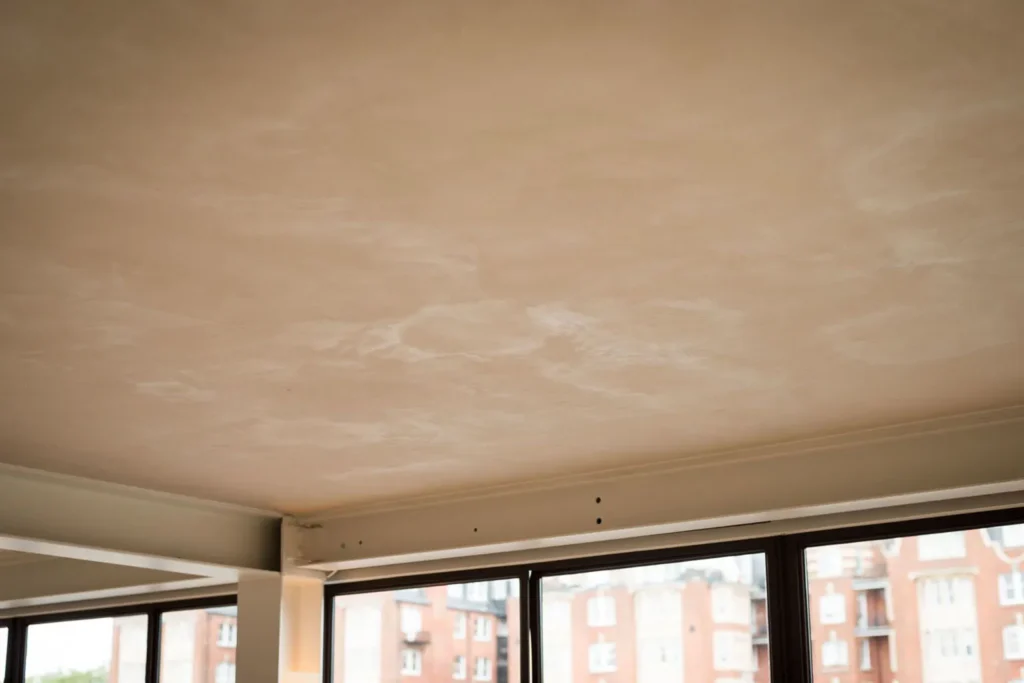
Ceiling re-skimming services cover everything from single rooms to whole-house transformations. Artex removal, water damage repair, and general resurfacing all benefit from professional skimming that delivers smooth, lasting finishes. Experienced plasterers handle overhead challenges efficiently — proper prep, quality application, seamless results — ceilings ready for any decorative treatment.

Patch repair skimming blends seamlessly into existing surfaces, making damage invisible without re-plastering entire walls. Holes, cracks, dents, and damaged sections get properly filled, keyed, and skim coated to match surrounding plaster exactly. Skilled plasterers feather edges, match textures, and finish patches so they disappear completely — repairs that stay hidden under any decorative finish you apply.
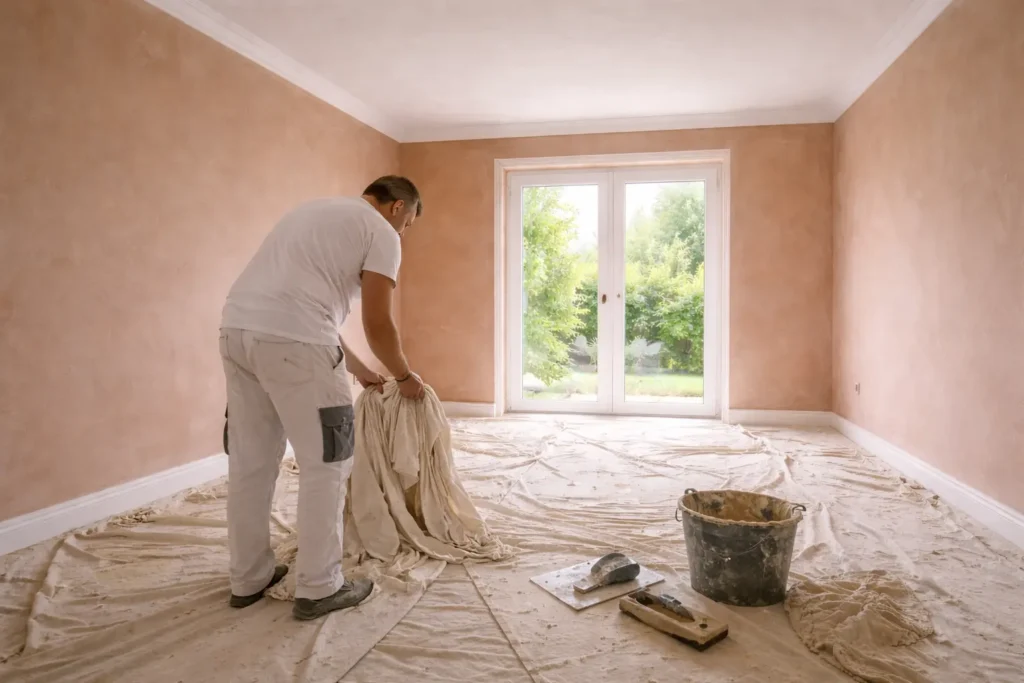
Professional plasterboard finishing transforms raw boards into smooth, paintable surfaces ready for decoration. New extensions, garage conversions, and loft rooms all need expert taping, jointing, and skimming to create seamless walls. Skilled plasterers work systematically — proper joint preparation, consistent skim application, quality finishing — delivering new-build quality throughout.
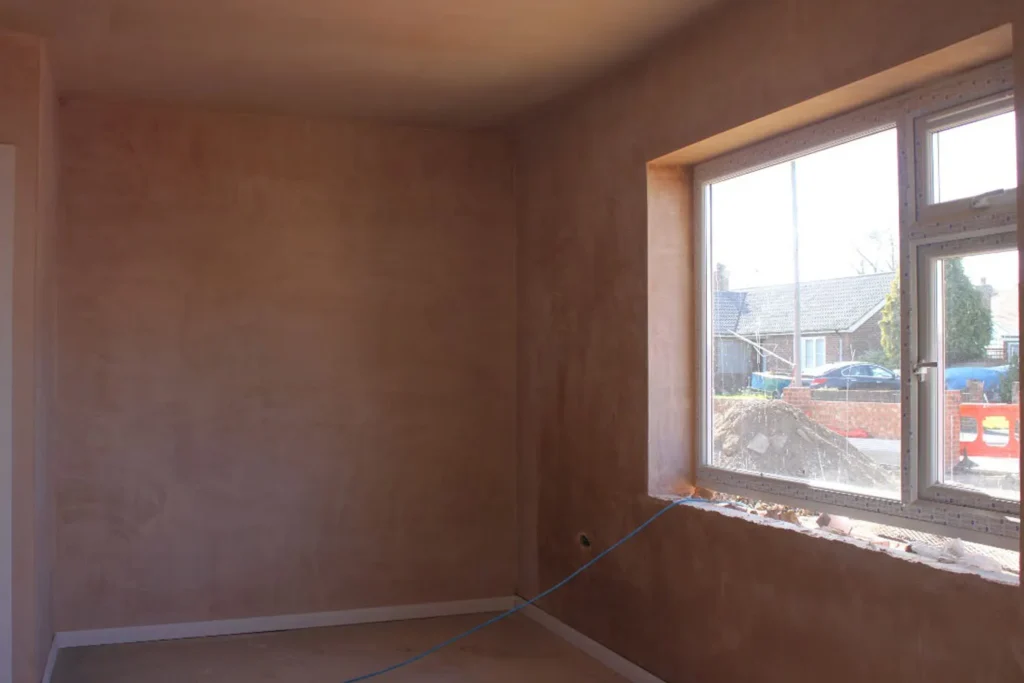
Whole room plastering creates consistent smooth surfaces across walls and ceilings together. When multiple areas need work, full re-skimming delivers unified finishes throughout — same texture, same quality, seamless results everywhere. Professional tradesmen work efficiently through complete rooms, ensuring even coverage and quality finishing that transforms entire spaces.
Good preparation makes good finishes possible. Here’s how we approach every skimming job throughout Longman — from first assessment to final polish.
Working across Longman for years means knowing property histories. The streets around Inverness Castle flooded in ’97. The estate near River Ness had cavity wall insulation problems. The houses toward Inverness Cathedral suffer from condensation. History affects wall condition.
Victorian solid walls with three previous skim coats, 1970s Artex hiding who-knows-what, plasterboard fitted yesterday — all need different approaches. Assessment across Longman determines preparation, preparation determines finish quality.
The typical Longman home — stone cottages or modern bungalows with 2.3m to 2.6m (7.5ft – 8.5ft) ceilings — has walls we’ve skimmed hundreds of times. That repetition builds instinct about what preparation works, what problems to check for, and where shortcuts cause failures.
Enquiries reach the plasterer personally — not intermediaries booking jobs they don’t understand. You discuss surface conditions with someone who’s seen thousands of walls and knows which need stripping, which need bonding, and which just need keying.
Initial chat covers the essentials — current wall condition, work scope, any known problems. The plasterer asks about previous finishes, room usage, and preparation access. Assessment gets booked for convenient mutual timing to inspect surfaces properly before quoting.
Assessment means examining walls properly — testing adhesion, checking suction, spotting blown areas, assessing previous plaster quality. Clear explanation of preparation needs follows. Pricing reflects genuine surface requirements, not guesses from photographs.
Work gets completed to standard — proper preparation stages, quality application, careful finishing technique. Dust sheets go down, cleanup follows completion. You’ll know about drying requirements, mist coat application, and when surfaces are ready for full decoration.
Planning plastering work brings practical questions — preparation needs, realistic timelines, decoration timing. Here’s the straightforward information most people ask for.
Room duration depends on starting conditions. Sound walls in a standard bedroom complete in a day. Add preparation complications, ceiling work, or surface repairs, and timing stretches. Assessment identifies genuine requirements, enabling realistic scheduling.
Surface condition governs preparation requirements. Well-bonded existing plaster takes skim coats directly. Blown sections need removal. Thick previous coats sometimes require stripping. Assessment identifies what your walls actually need rather than assuming worst-case scenarios.
Skim finishing creates smooth walls using thin coats — 2-3mm typically — over existing surfaces. Plastering encompasses heavier applications: base coats on masonry, render work, depth building. Most domestic re-finishing involves skimming existing plaster rather than full replastering.
Some painted walls skim directly, others need preparation. Matt emulsion over sound plaster takes skim after keying. Gloss, silk, or heavy paint buildup creates adhesion issues — often requiring stripping or bonding agent application. Assessment identifies what your painted walls specifically need.
New plaster requires proper drying — typically 2-4 days minimum, longer for full curing. Mist coat first using watered-down emulsion to seal surfaces correctly. Decorating too early risks adhesion failures, peeling, and blistering.
Fill out the form or call now to speak directly to the plasterer covering your area. No call centres, no delays – just clear answers and fast action.
Your details are safe – we only use them to respond to your enquiry
Services extend throughout Longman for quality skimming. Tradesmen who know local walls — the pre-war terraces, inter-war semis, post-war estates — and what each building era needs for proper finishes.