
Surfaces that perform under paint, paper, or any finish you choose. Quality skimming across Penn — preparation done thoroughly, application done properly, results that show.
When you need professional skimming, the traditional platform route adds unnecessary steps. List the job, wait for responses, compare quotes, check reviews, make a decision — all while your walls sit there looking rough. Simpler is better.
We work on trusted connections.
We assign one reliable skimming specialist to Penn. Contact goes directly to them — no middlemen, no quoting competitions. Just the person who’ll attend your property and deliver professional skim coats.
Skimming work varies significantly depending on existing conditions. Sound plaster just needs re-coating, compromised areas need stripping back, and new boards need proper preparation — identifying the starting point ensures professional finishes.
Read through what’s covered below and see if it fits your project. If it does, we’re here to help — just call or message. If it doesn’t quite match, that’s absolutely fine.

Expert wall skimming creates lasting smooth finishes that transform tired rooms into fresh, modern spaces. Damaged plaster, rough render, and patchy surfaces respond to professional re-skimming that delivers flat, even walls throughout. Quality preparation, skilled application, and attention to finishing details ensure results that look right, last well, and make decorating simple.
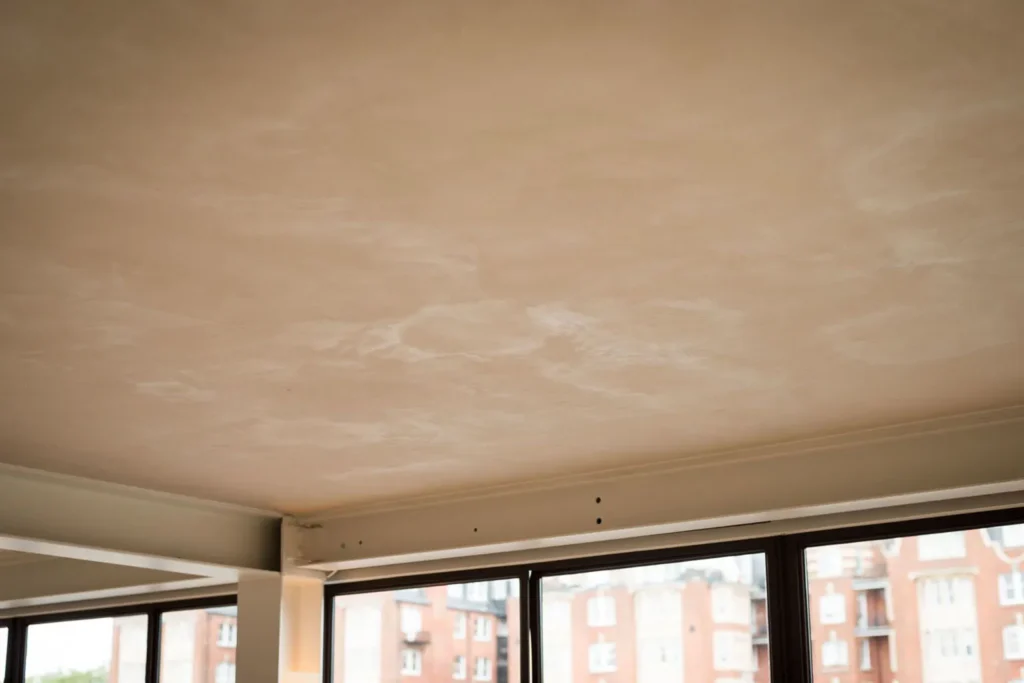
Smooth ceiling finishes require specialist skimming skills that experienced plasterers develop over years of overhead work. Gravity works against ceiling plastering, making technique crucial for consistent, lasting results. Professional skim coats transform textured, damaged, or outdated ceilings into flat surfaces that reflect light evenly — rooms feel brighter, bigger, and more modern.

Quality patch skimming makes damage disappear without extensive replastering work. Cable routes, fixture removal, impact holes, and localised cracking all respond to targeted repairs that blend invisibly. Experienced plasterers match existing textures, feather edges carefully, and finish seamlessly — patches that stay hidden and eliminate the need for larger-scale work.
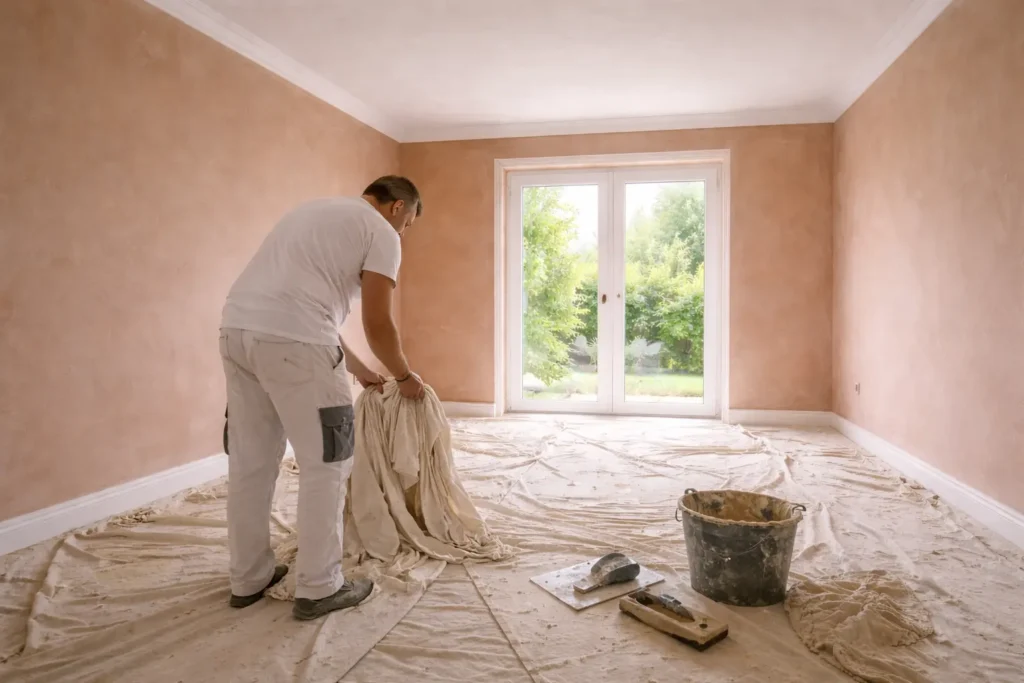
Finishing freshly boarded walls takes specialist skill that professional plasterers apply to extensions and conversions. Taped joints disappear beneath smooth skim coats, creating seamless surfaces ready for paint or paper. Quality preparation and application ensure lasting results — no visible joins, no corner cracking, just flawless finishes that make new spaces feel complete.
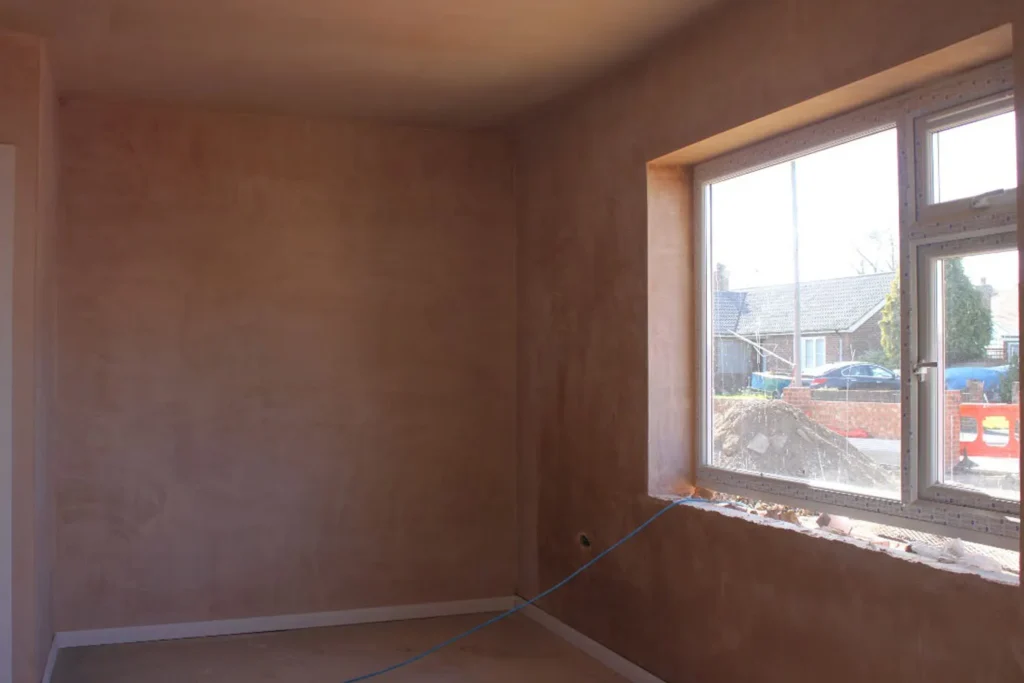
Complete room plastering transforms tired spaces into fresh, modern environments with consistent smooth finishes. Full wall and ceiling coverage ensures unified quality throughout — no mismatches, no patchy repairs, just seamless results everywhere. Skilled plasterers work efficiently, delivering the even finishing that makes decorating effortless and rooms feel completely renewed.
Two plasterers can quote the same job — one leaves glass, the other leaves waves. Here’s what drives the difference in our work throughout Penn.
Years covering Penn from Flackwell Heath Golf Club through Heath End Road to Treadaway Hill builds genuine understanding. You learn which developers cut corners, which streets have damp problems, which estates used experimental materials. That insight prevents problems before they start.
Victorian solid walls with three previous skim coats, 1970s Artex hiding who-knows-what, plasterboard fitted yesterday — all need different approaches. Assessment across Penn determines preparation, preparation determines finish quality.
The typical Penn home — inter-war semis or modern detached houses with 2.4m to 2.6m (7.9ft – 8.5ft) ceilings — has walls we’ve skimmed hundreds of times. That repetition builds instinct about what preparation works, what problems to check for, and where shortcuts cause failures.
When you call, the plasterer picks up — same person who’ll read your walls and make preparation decisions on site. That means proper discussion about surface condition, realistic expectations, and what’s actually involved in getting smooth results.
Initial chat covers the essentials — current wall condition, work scope, any known problems. The plasterer asks about previous finishes, room usage, and preparation access. Assessment gets booked for convenient mutual timing to inspect surfaces properly before quoting.
Site visits involve proper surface reading — tapping for delamination, checking absorption rates, identifying weak spots, noting previous work quality. You understand preparation requirements before committing. Quotes match actual wall condition.
Jobs get completed methodically — preparation stages, plaster application, finishing work. Dust sheets protect surroundings throughout. Thorough cleanup happens after. You receive specific advice about drying periods, emulsion misting, and when surfaces are ready for decorating.
Before plastering starts, most people want the same information — preparation, timelines, decoration timing. Here’s the clear, simple detail.
Timing reflects what walls need, not just room dimensions. Straightforward bedroom re-skim takes a day. Surfaces requiring extensive preparation — bonding, repairs, strip-back — take longer. Ceilings add time. Accurate estimates follow proper surface inspection.
Stripping isn’t always necessary — wall condition dictates preparation. Sound plaster receives skim directly over existing surfaces. Hollow sections, loose coats, or thick buildup need removing first. Assessment reveals what your walls genuinely require.
Skim finishing applies thin coats — 2-3mm typically — over existing plaster to create smooth walls. Plastering encompasses heavier applications: base coats, render work, building depth. Most domestic work involves skimming existing surfaces rather than full replastering systems.
Depends on what paint and how much. Thin matt emulsion takes skim after keying preparation. Thick layers, gloss finishes, or silk coatings cause adhesion problems — usually requiring removal or bonding agent application. Assessment identifies the right approach for your surfaces.
Standard skimming dries surface-ready within 2-4 days typically, though full curing extends to 2-3 weeks. Mist coat application first — watered-down matt emulsion sealing porous surfaces — then proper decoration. Insufficient drying causes paint failures.
Fill out the form or call now to speak directly to the plasterer covering your area. No call centres, no delays – just clear answers and fast action.
Your details are safe – we only use them to respond to your enquiry
We operate across the whole of Penn. Professional skimming backed by genuine knowledge of local housing construction, typical wall conditions, and effective preparation approaches.