
Quality shows through paint — flat walls or rippled, proper prep or rushed. Professional skimming across Highnam that delivers surfaces worth the decoration you’ll put on them.
Getting clean, smooth walls shouldn’t involve managing a procurement process. The big platforms turn simple skimming jobs into comparison exercises that waste your time. One phone call to a trusted tradesman gets better results faster.
Professional skimming works differently here.
Highnam has one trusted skimming specialist assigned. When you need walls finished properly, you contact them directly — and they respond promptly without platform delays or competitive quoting processes.
Professional skimming addresses different surface needs. Damaged areas requiring patching need careful blending, full walls need consistent application, and ceilings need appropriate technique — skilled assessment leads to quality outcomes.
Look through the details below to see if we cover your type of work. If it’s a good match, reach out — we’ll respond quickly. If it’s not our area, no worries — appreciate you stopping by.

Professional wall skimming delivers the smooth finish that transforms how rooms look and feel. Rough plaster, textured surfaces, and patchy walls disappear beneath expertly applied skim coats, creating perfect bases for paint or wallpaper. Experienced plasterers prepare surfaces properly, apply consistent coverage, and finish to high standards — leaving walls flat, smooth, and ready for whatever decorative finish you choose.
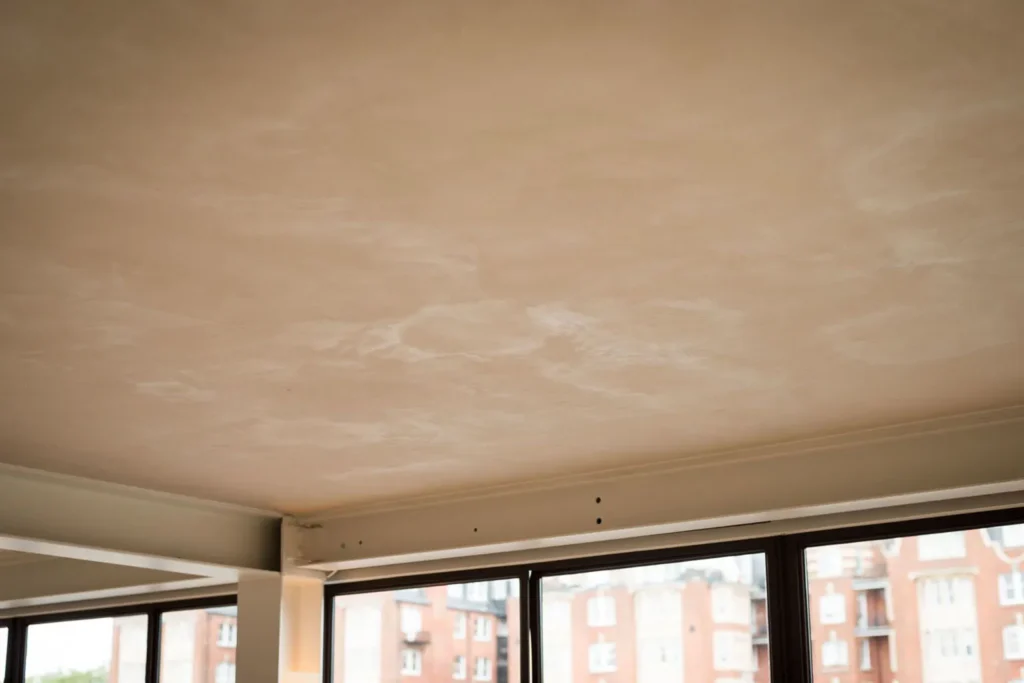
Ceiling skimming creates smooth, flat overhead surfaces that transform how rooms look and feel. Textured ceilings, Artex patterns, and damaged plaster disappear beneath professional skim coats applied by experienced plasterers. Working overhead requires specific technique — consistent coverage, proper drying between coats, and seamless finishing — delivering ceilings that reflect light evenly and make rooms feel fresh and modern.

Patch repair skimming blends seamlessly into existing surfaces, making damage invisible without re-plastering entire walls. Holes, cracks, dents, and damaged sections get properly filled, keyed, and skim coated to match surrounding plaster exactly. Skilled plasterers feather edges, match textures, and finish patches so they disappear completely — repairs that stay hidden under any decorative finish you apply.
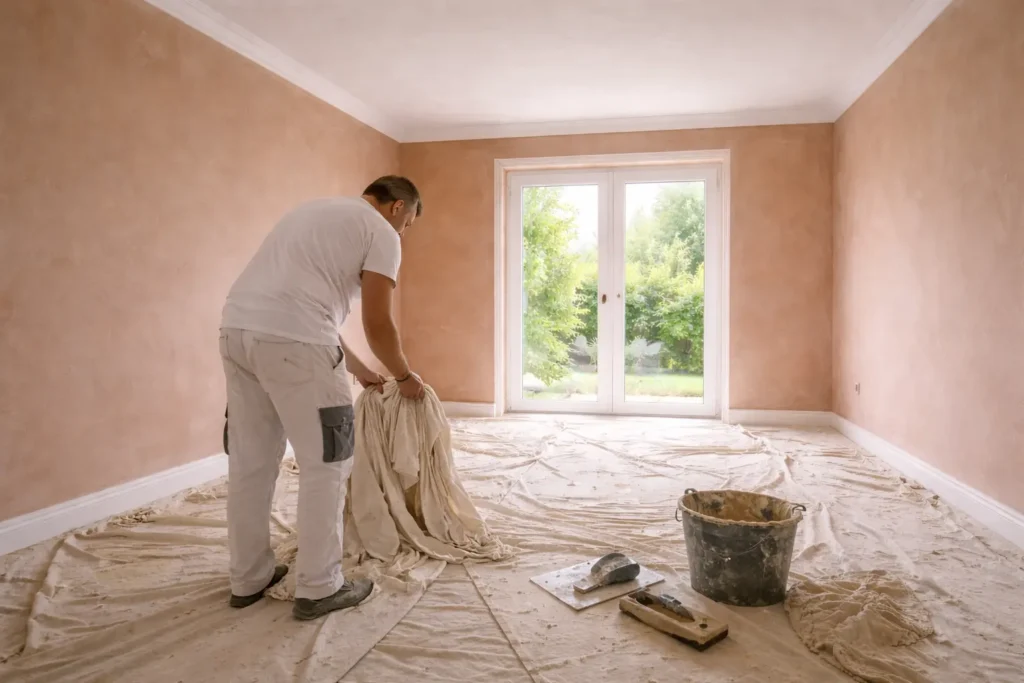
Finishing freshly boarded walls takes specialist skill that professional plasterers apply to extensions and conversions. Taped joints disappear beneath smooth skim coats, creating seamless surfaces ready for paint or paper. Quality preparation and application ensure lasting results — no visible joins, no corner cracking, just flawless finishes that make new spaces feel complete.
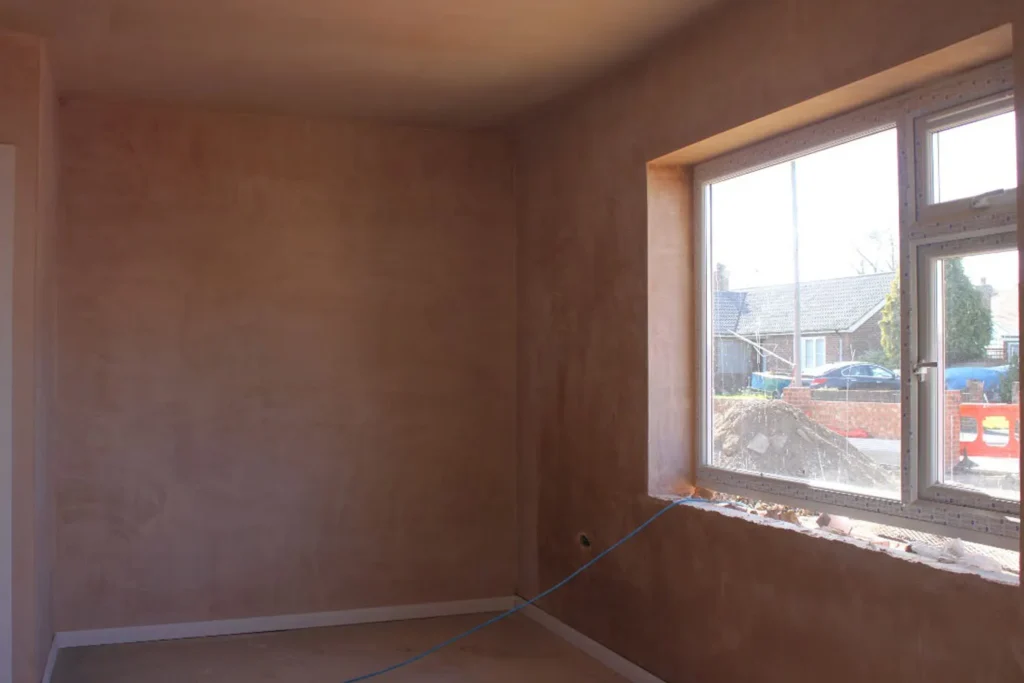
Whole room skimming creates unified smooth finishes that transform how spaces look and feel. Complete wall and ceiling coverage ensures consistent quality throughout — no patchy repairs, no texture mismatches, just seamless results everywhere. Professional plasterers work systematically, delivering even coverage and clean finishing that makes decorating effortless.
Two plasterers can quote the same job — one leaves glass, the other leaves waves. Here’s what drives the difference in our work throughout Highnam.
Properties around St Jamess Church were mostly built pre-war — lime plaster, lath ceilings, solid walls. Near Quedgeley Industrial Park the fifties estates dominate. Toward Bristol Road retail parks it’s newer construction. Each era across Highnam needs different preparation approaches.
Re-skimming old walls, smoothing over textured ceilings, finishing new extension boards, blending repairs into existing surfaces — different starting points need different approaches. We assess properly before mixing any plaster, ensuring preparation matches what Highnam walls actually need.
Highnam properties feature mainly modern estates and 1980s housing, ceilings around 2.4m to 2.6m (7.9ft – 8.5ft). That housing consistency means we’ve solved the same problems repeatedly — knowledge that transfers directly to your walls.
Calls and forms go straight to your area’s tradesman — no filtering through people who’ve never held a trowel. You get honest conversation about wall types, preparation needs, and what quality skimming actually requires.
Initial chat covers what you’re dealing with — wall condition, finish requirements, known issues. The plasterer uses this to understand scope, then arranges assessment at convenient timing for thorough surface evaluation and detailed pricing.
Assessment means properly reading your walls — tapping for hollow sections, checking suction rates, identifying previous repairs, spotting potential problems. The plasterer explains what preparation’s needed and why. You get clear pricing based on actual surface condition, not guesswork from photos.
Work happens methodically — proper preparation, controlled application, careful finishing while the plaster’s still workable. Dust sheets protect your belongings, and complete cleanup follows. You’ll know exact drying times, when emulsion misting should happen, and how soon proper decoration can start.
Planning plastering work brings practical questions — preparation needs, realistic timelines, decoration timing. Here’s the straightforward information most people ask for.
Standard room skimming typically takes a day on reasonable surfaces. Problem walls needing serious preparation extend timing considerably. Ceiling inclusion adds hours. Surface condition varies hugely between properties — assessment provides accurate scheduling for your specific walls.
Existing surface quality determines preparation. Well-bonded plaster takes skim coats directly after keying. Problem areas — hollow sections, loose coats, thick buildup — need stripping first. Assessment reveals genuine requirements rather than guessing.
Skimming means applying thin finish coats over existing plaster. Full plastering involves heavier work — base coats on brick or block, render layers, building depth where needed. Typical home work involves re-skimming surfaces rather than starting from bare masonry.
It varies with paint condition. Thin matt emulsion over sound plaster takes skim after proper keying. Heavy coatings, gloss finishes, or silk paint cause bonding problems — usually needing stripping or adhesion treatment. Assessment reveals what preparation your walls require.
Allow surfaces to dry properly before painting — 2-4 days minimum in ventilated rooms, though complete curing takes 2-3 weeks. Apply mist coat first with watered-down emulsion. Early decoration causes peeling and blistering issues.
Fill out the form or call now to speak directly to the plasterer covering your area. No call centres, no delays – just clear answers and fast action.
Your details are safe – we only use them to respond to your enquiry
Skimming work extends across the complete Highnam region. Local expertise in housing stock characteristics, wall behaviours, and preparation methods that deliver proper results on these surfaces.