
Quality shows through paint — flat walls or rippled, proper prep or rushed. Professional skimming across Dunston that delivers surfaces worth the decoration you’ll put on them.
The standard approach of gathering multiple quotes creates more questions than answers. Different plasterers assess differently, price differently, and schedule differently. Working directly with one experienced professional gives you clarity from the start.
Quality plastering needs a different approach.
One experienced plasterer covers Dunston, and you speak to them directly. No competing quotes, no call centres — just a clean route to the person who’ll skim your walls and deliver smooth, lasting finishes.
Skimming work varies significantly depending on existing conditions. Sound plaster just needs re-coating, compromised areas need stripping back, and new boards need proper preparation — identifying the starting point ensures professional finishes.
See what we handle below and decide if we’re the right people for your job. If yes, contact us and we’ll get things moving. If no, that’s completely fine — thanks for checking.

Smooth wall finishes start with professional skimming applied by experienced local plasterers. Rough render, damaged plaster, and textured surfaces all benefit from fresh skim coats that create flat, even walls throughout your rooms. Skilled application around obstacles, clean lines at edges, and consistent coverage ensure results that look right and last — walls ready for paint, paper, or any decorative treatment.
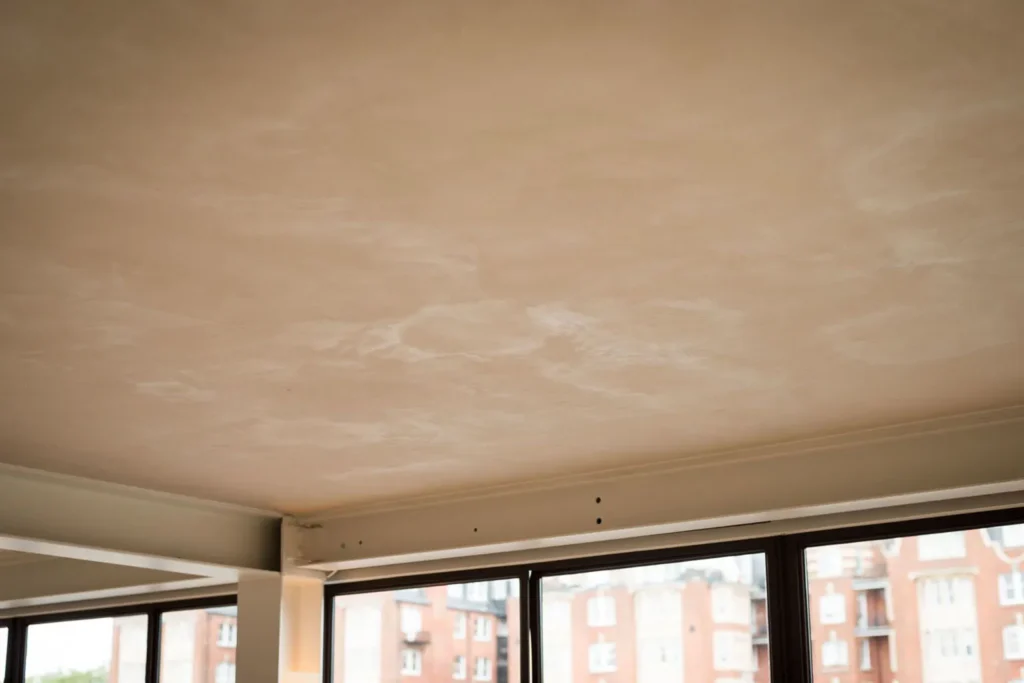
Expert ceiling skimming handles textured surfaces that paint alone can’t fix. Artex patterns, stippled finishes, and rough plaster need professional skim coating to create flat, contemporary ceilings. Skilled tradesmen prepare surfaces correctly, apply even coverage overhead, and finish to high standards — ceilings transformed and ready for decoration.

Expert plaster repairs blend invisibly into existing wall surfaces through professional skimming technique. Damaged sections get properly prepared, filled, and skim coated with careful attention to edge feathering. Texture matching ensures patches disappear completely — targeted repairs that restore walls efficiently without full re-skimming costs.
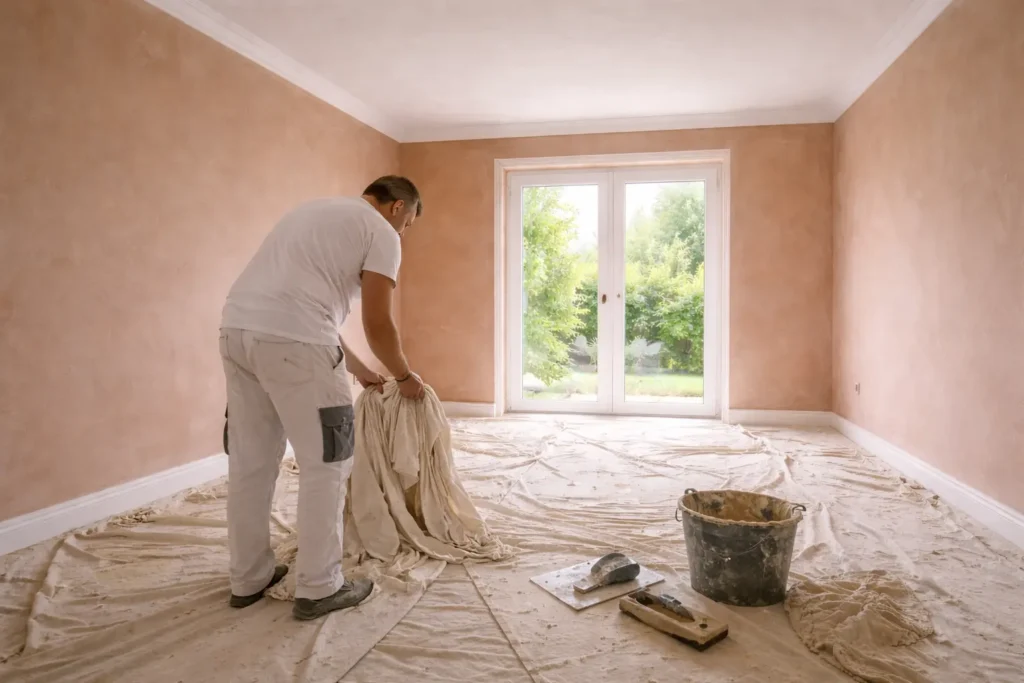
Quality plasterboard finishing completes construction projects with smooth, decoration-ready surfaces throughout. Extensions, loft rooms, and garage conversions all need professional taping and skimming to transform raw boards into finished walls. Skilled plasterers deliver seamless results — invisible joints, consistent coverage, professional finishing — spaces ready for decorating.
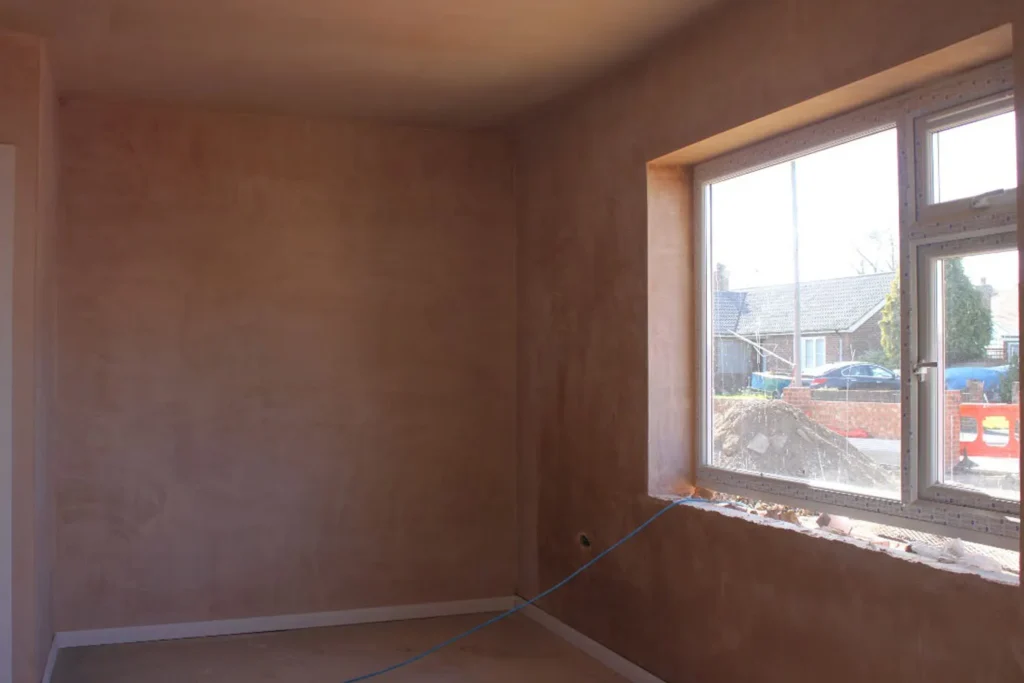
Full room plastering unifies surfaces with consistent smooth finishes across walls and ceilings together. Comprehensive re-skimming eliminates texture variations and patchy areas — delivering seamless results throughout. Skilled tradesmen work room by room, ensuring even quality and professional finishing that transforms spaces completely.
Picking a plasterer for skimming isn’t straightforward — prices vary, quality varies, and you can’t see the difference until paint goes on. Here’s what we offer across Dunston.
Working across Dunston for years means knowing property histories. The streets around Kibblesworth Village flooded in ’97. The estate near Ravensworth Castle remains had cavity wall insulation problems. The houses toward Lamesley Road suffer from condensation. History affects wall condition.
Blown plaster that sounds hollow, old distemper that kills adhesion, suction differences between old and new surfaces — these problems sink skimming jobs. We identify them first throughout Dunston, fixing foundations before applying finishes.
The housing stock here — mostly former mining cottages and modern detached houses, 2.3m to 2.6m (7.5ft – 8.5ft) ceilings — has specific characteristics worth knowing. Typical construction methods, common material choices, predictable weak points. Local focus builds practical understanding.
Enquiries reach the plasterer personally — not intermediaries booking jobs they don’t understand. You discuss surface conditions with someone who’s seen thousands of walls and knows which need stripping, which need bonding, and which just need keying.
Discussion establishes your starting point — existing surfaces, room requirements, preparation concerns. Site visit gets scheduled for mutual convenience, giving proper time to assess wall condition and provide accurate costs.
Wall inspection covers practical concerns — is the existing plaster sound, does suction vary, are there damp issues, what’s been done before. You’ll understand preparation requirements clearly. Pricing reflects real surface condition.
Jobs proceed methodically — surface prep, plaster application, skilled finishing. Protection covers surrounding areas throughout work. Complete tidying follows. You receive practical guidance about drying times, emulsion misting requirements, and decoration scheduling.
The common skimming questions — how surfaces get prepared, how long jobs take, when painting can happen. Straight answers, kept simple.
Completion time depends heavily on wall condition. Average bedroom on sound plaster takes roughly a day. Poor surfaces needing preparation work take longer — sometimes considerably. Ceiling work adds time. Assessment reveals what your walls actually require.
Not always — it depends on existing surface condition. Sound plaster that’s firmly attached just needs keying and coating. Blown plaster that sounds hollow when tapped needs removing. Multiple previous coats building thickness sometimes require stripping. Assessment determines what your specific walls need — some skim straight over, others need work first.
Skim coats are thin finish applications — usually 2-3mm — over existing prepared surfaces. Plastering covers broader scope including base coats on bare walls, render application, depth building. Most domestic jobs involve skimming rather than complete replastering from scratch.
It depends on paint type and buildup. Thin matt emulsion can receive skim after surface keying. Heavy coatings, gloss finishes, or silk paint cause bonding failures — usually requiring stripping or adhesion agent application. Assessment identifies specific requirements.
Drying times depend on coat thickness, room ventilation, and ambient temperature. Standard skimming typically dries within 2-4 days in well-ventilated rooms, though complete curing takes 2-3 weeks. Mist coat with diluted emulsion first — this seals the surface for proper paint adhesion. Rushing decoration risks paint failure.
Fill out the form or call now to speak directly to the plasterer covering your area. No call centres, no delays – just clear answers and fast action.
Your details are safe – we only use them to respond to your enquiry
Skimming work covers the complete Dunston region. Local understanding of property construction, typical plaster conditions, and preparation methods that suit these specific housing types.