
Rough walls transformed into smooth, paintable surfaces. Proper skimming throughout Hamble — surfaces assessed correctly, prepared thoroughly, finished to standards that show under any light.
When you need walls skimmed, the last thing you want is five different plasterers calling with wildly different prices and availability. Checkatrade floods you with options but leaves you no clearer on who’s actually good. You need one reliable person — not a selection headache.
There’s a better way to find a plasterer.
Hamble has one trusted skimming specialist assigned. When you need walls finished properly, you contact them directly — and they respond promptly without platform delays or competitive quoting processes.
Skimming requirements vary between properties. Victorian solid walls behave differently than modern plasterboard, and each surface type needs appropriate preparation and application — recognising these differences ensures professional finishes throughout.
Have a look through what we do below. If it matches your walls, contact us and we’ll get it sorted. If it’s not quite right, no problem — thanks for checking.

Re-skimming walls creates the perfect foundation for any decorative finish you’re planning. Old plaster, damaged surfaces, and uneven textures disappear beneath smooth skim coats applied by experienced local plasterers. Proper technique ensures consistent coverage, clean edges, and durable results — walls transformed from rough to ready, making your decorating project straightforward.
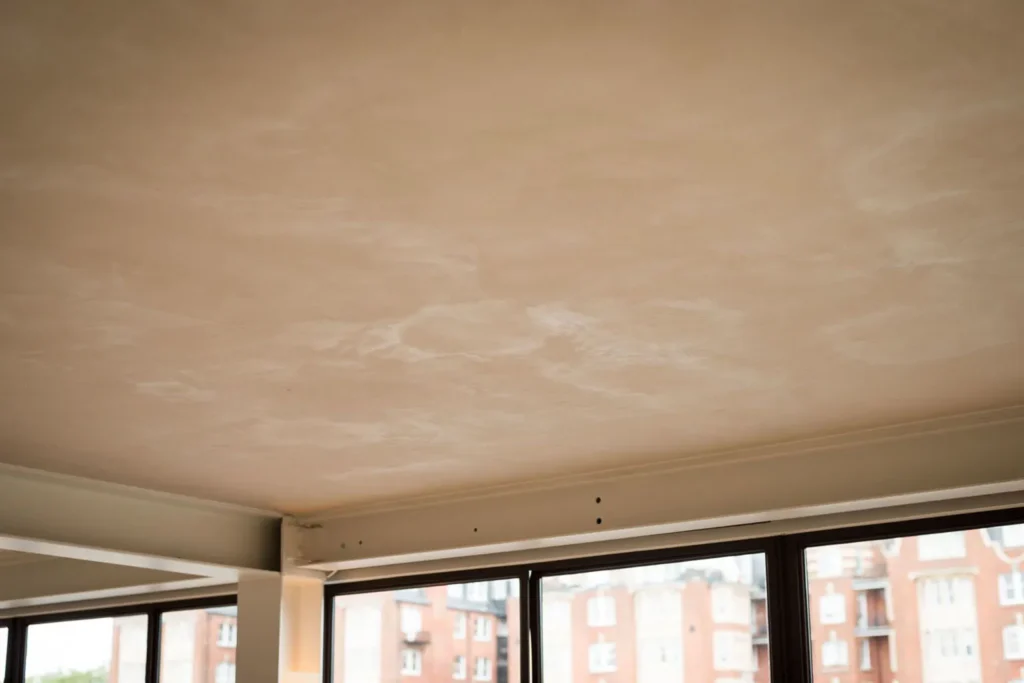
Quality ceiling skimming delivers the flat, smooth finish that makes rooms feel fresh and contemporary. Textured surfaces, old damage, and uneven plaster disappear beneath expertly applied skim coats. Professional plasterers understand overhead work demands — proper technique prevents sagging, ensures even coverage, and creates seamless finishes that last without cracking.

Targeted repair skimming handles damage efficiently without extensive disruption or cost. Holes from fixtures, cracks from settlement, and impact damage all respond to professional patching that blends invisibly. Skilled plasterers feather edges, match textures, and finish seamlessly — repairs that stay hidden and restore walls to consistent smooth finishes.
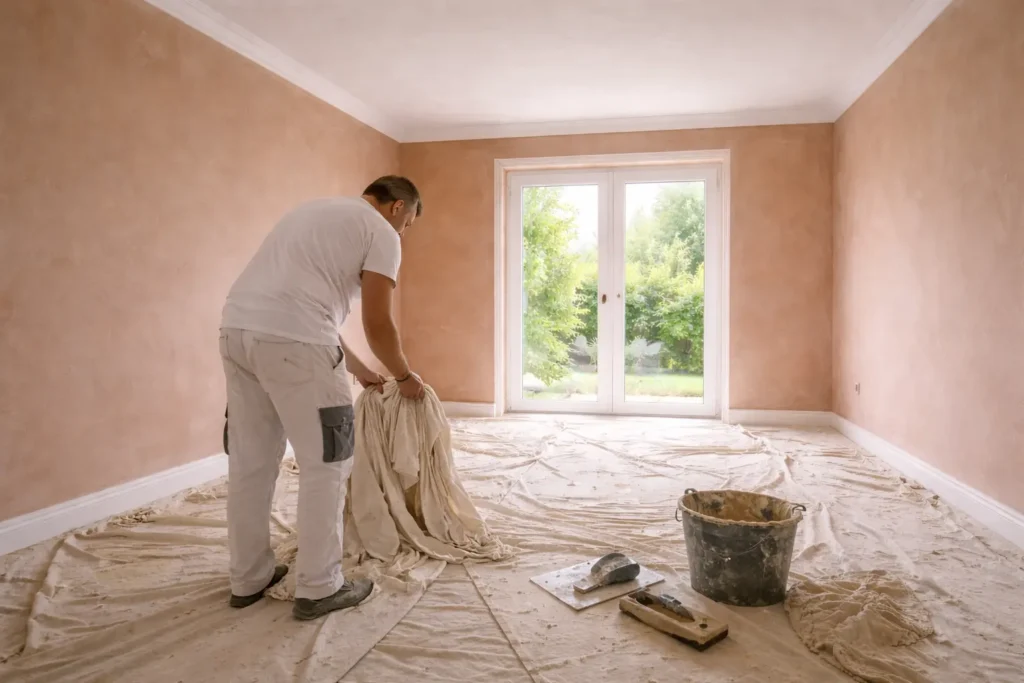
Plasterboard skim finishing creates seamless walls from newly installed boards in extensions and conversions. Professional taping hides joints completely, while quality skim coats deliver smooth surfaces ready for any decorative treatment. Experienced plasterers work methodically — proper preparation, consistent application, clean finishing — transforming raw construction into finished living spaces.
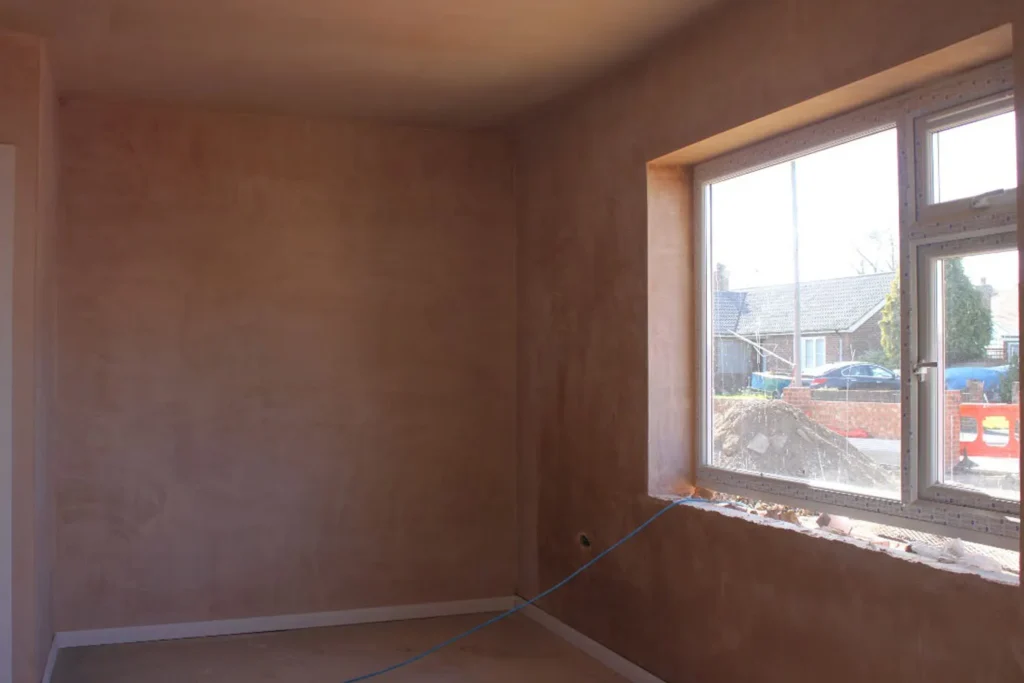
Whole room plastering creates consistent smooth surfaces across walls and ceilings together. When multiple areas need work, full re-skimming delivers unified finishes throughout — same texture, same quality, seamless results everywhere. Professional tradesmen work efficiently through complete rooms, ensuring even coverage and quality finishing that transforms entire spaces.
Two plasterers can quote the same job — one leaves glass, the other leaves waves. Here’s what drives the difference in our work throughout Hamble.
Experience across Hamble — Bursledon Windmill, Hamble River, Jolly Sailor pub — builds a mental map of what’s behind the paint. Bay-fronted houses usually mean lath and lime. Pebbledash semis mean sand and cement render. That knowledge speeds up assessment and prevents preparation mistakes.
Single feature walls, whole room transformations, awkward ceiling repairs, invisible patch blending — each job type brings its own challenges. Consistent quality across Hamble comes from adapting methods to match conditions, not applying the same approach everywhere.
Typical Hamble homes feature period cottages and modern detached construction, 2.4m to 2.7m (7.9ft – 8.9ft) ceiling heights. Years working on this exact property mix means preparation becomes intuitive — recognising conditions that cause problems and addressing them automatically.
Enquiries go straight to the plasterer covering Hamble — no booking team guessing at job requirements. You talk walls, surfaces, and preparation with someone who understands the difference between a quick re-skim and a full strip-back job.
They’ll ask about existing conditions — wall types, current finishes, room layouts, any visible problems. This information shapes the site visit, which gets scheduled for convenient timing to properly assess preparation needs and provide clear pricing.
Wall inspection covers everything relevant — structural soundness, surface adhesion, previous repair quality, moisture levels. The plasterer explains preparation needs in plain terms. Pricing reflects what your walls actually require, not generic per-metre rates.
Work follows proper sequence — preparation, first coat, second coat, finishing. Dust sheets protect flooring and furniture throughout. Comprehensive cleanup follows completion. You’ll understand drying stages, mist coat requirements, and realistic timelines for decorating.
The common skimming questions — how surfaces get prepared, how long jobs take, when painting can happen. Straight answers, kept simple.
Room duration depends on starting conditions. Sound walls in a standard bedroom complete in a day. Add preparation complications, ceiling work, or surface repairs, and timing stretches. Assessment identifies genuine requirements, enabling realistic scheduling.
It varies with condition. Sound plaster that’s firmly attached receives skim over existing surfaces. Blown areas need removing. Multiple previous coats might require stripping. Assessment determines what preparation your walls specifically require.
Skimming applies thin finish layers over existing prepared surfaces. Plastering covers broader scope — base coats on masonry, render application, building depth. Typical home work involves skim finishing over existing plaster rather than full plastering systems from bare walls.
Depends on the paint and what’s beneath. Thin matt emulsion over good plaster skims after proper keying preparation. Thick paint layers, gloss finishes, or silk coatings prevent proper adhesion — usually needing removal or bonding treatment. Assessment determines requirements for your surfaces.
Standard skimming needs 2-4 days surface drying in well-ventilated rooms, though complete cure takes weeks. Mist coat application first — diluted matt emulsion sealing porous new plaster. Then proper decoration. Rushing causes paint problems.
Fill out the form or call now to speak directly to the plasterer covering your area. No call centres, no delays – just clear answers and fast action.
Your details are safe – we only use them to respond to your enquiry
Professional skimming operates throughout Hamble. Local knowledge of housing types, construction methods, and wall characteristics that determine preparation needs and finishing approaches.