
Rough walls transformed into smooth, paintable surfaces. Proper skimming throughout Newton Hall — surfaces assessed correctly, prepared thoroughly, finished to standards that show under any light.
When you need walls finished properly, the platform approach creates doubt rather than confidence. Competing quotes, mixed reviews, availability clashes — it’s harder than it should be. One trusted local plasterer simplifies the whole process.
There’s a better way to find a plasterer.
Newton Hall has one reliable skimming specialist assigned. Your call or form reaches them directly — the same person who’ll survey your rooms and deliver flawless finishes without competitive quoting games.
Skimming requirements vary between properties. Victorian solid walls behave differently than modern plasterboard, and each surface type needs appropriate preparation and application — recognising these differences ensures professional finishes throughout.
Read what we do below and work out if it fits your project. If it sounds right, call or send a message. If it’s not quite the service you need, no hard feelings.

Quality wall skimming eliminates surface problems that make decorating difficult. Cracks, bumps, patches, and uneven textures disappear beneath professionally applied skim coats, leaving smooth walls that take any finish beautifully. Experienced plasterers work methodically — proper prep, consistent application, clean finishing — delivering surfaces that transform how your rooms look and feel.
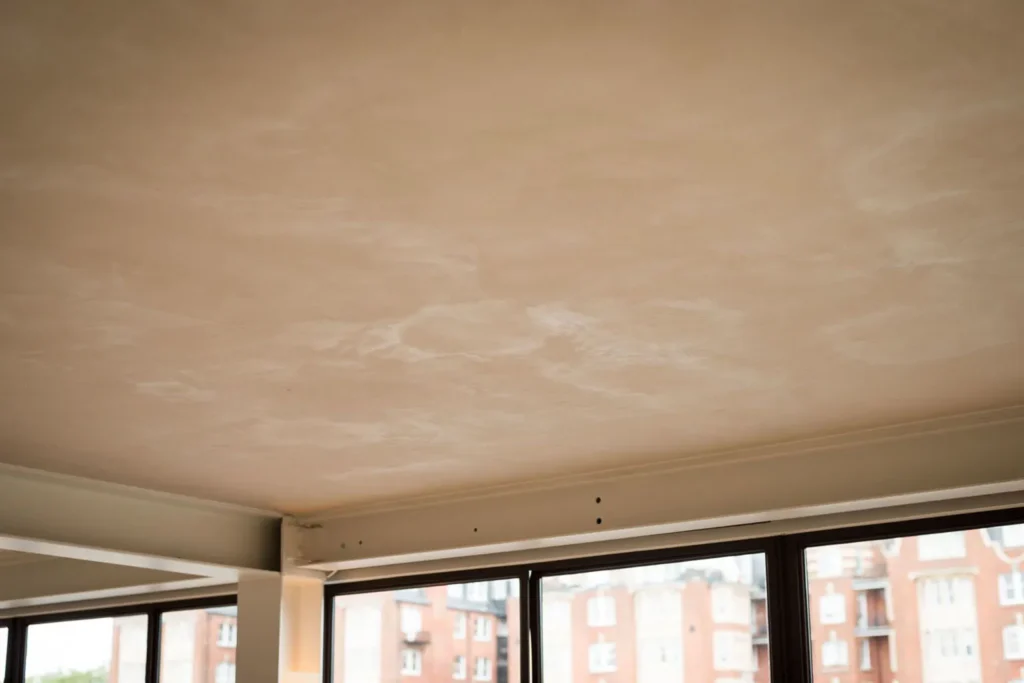
Professional ceiling re-skimming removes outdated textures and creates clean, contemporary finishes throughout your home. Artex patterns, stippled surfaces, and swirl textures all respond to expert skimming that delivers flat, smooth ceilings. Skilled plasterers work methodically overhead, ensuring even coverage without joins or imperfections — ceilings that look right and make decorating straightforward.

Quality repair skimming makes wall damage disappear without extensive replastering. Localised problems — fixture marks, impact holes, cracked areas — respond to professional patching that blends seamlessly. Skilled plasterers prepare surfaces properly, match existing textures, and finish so repairs become completely invisible under any decoration.
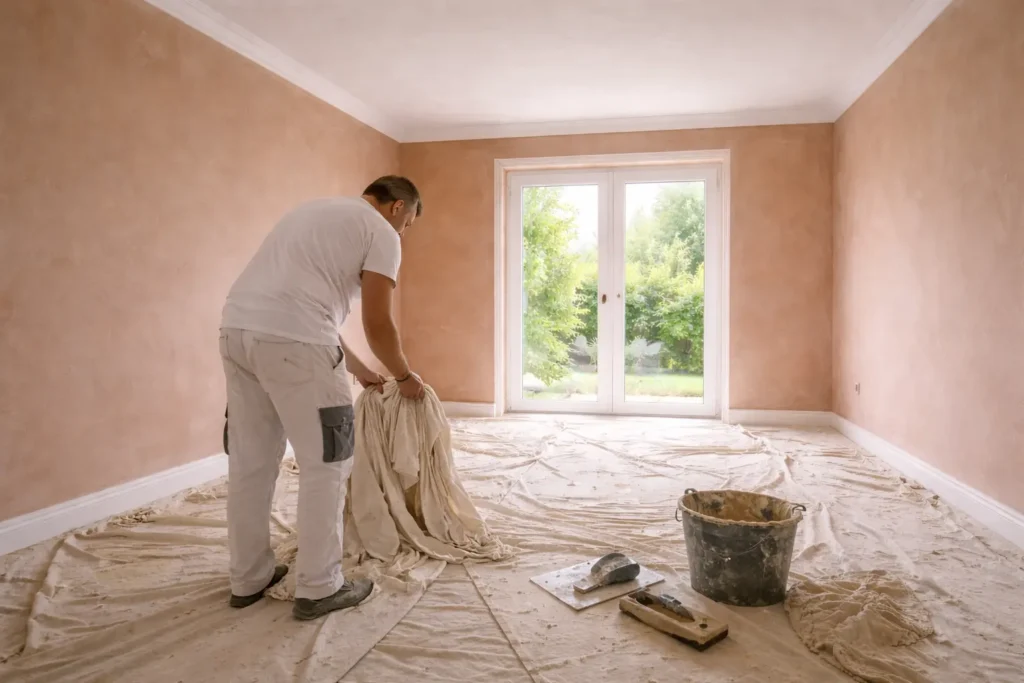
Finishing new plasterboard requires specialist technique that creates invisible joints and smooth surfaces. Extensions, conversions, and renovation projects need professional taping and skim coating to transform raw boards into decoration-ready walls. Experienced plasterers ensure seamless results — no visible joins, no cracking at corners, just flawless finishes throughout.
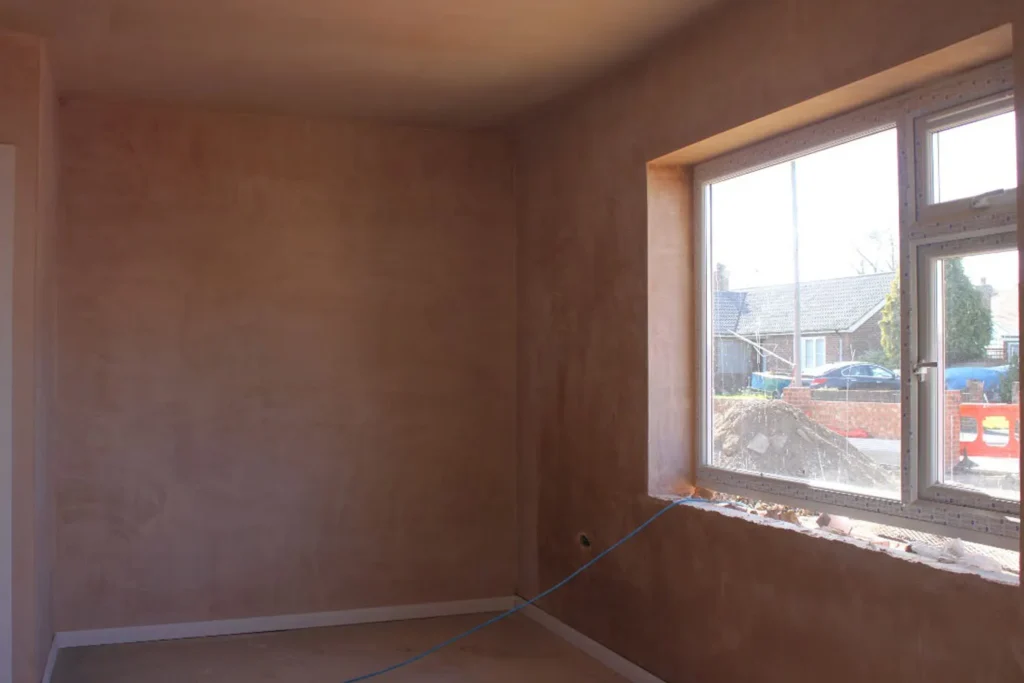
Full room re-plastering delivers complete makeovers with consistent smooth surfaces from floor to ceiling. When walls and ceilings all need work, comprehensive skimming ensures unified finishes throughout — same texture everywhere, seamless results, quality finishing. Skilled tradesmen transform entire rooms efficiently, creating spaces ready for any decorative treatment.
Walls that look smooth wet can show every flaw once painted. Here’s how we ensure finishes stay flat under any light throughout Newton Hall.
Plastering from Durham Primary School to St Pauls Church and across to Durham Recreation Ground for years teaches you what Newton Hall walls are actually made of. The Victorian terraces have lime underneath. The inter-war semis have hard pink gypsum. The estates have lightweight board. Each needs handling differently.
Old lime plaster, modern gypsum, fresh plasterboard, patched areas mixing all three — each responds differently to skim coats. Experience across Newton Hall properties means recognising what we’re working on and adjusting technique accordingly.
Housing across Newton Hall consists largely of older brick terraces from industrial and mining era and post-war council estates and newer private estates with 2.4m to 2.6m (7.9ft – 8.5ft) ceilings. Specialising in this local stock builds practical expertise — understanding typical wall conditions, common issues, and effective solutions for these specific properties.
Your call reaches the plasterer who’ll actually skim your walls — not an office worker reading from a script. You discuss surface conditions, room layouts, and realistic timelines with someone who’s spent years reading walls and knows what questions matter.
First conversation gathers essentials — surface condition, work scope, access requirements, timing preferences. Assessment gets arranged for mutually suitable timing, allowing proper wall inspection and accurate quotation before any commitment.
Assessment means evaluating walls properly — adhesion testing, suction checking, damp investigation, previous repair assessment. The plasterer explains preparation requirements in plain English. Quotes based on real conditions, not phone descriptions.
Skimming proceeds professionally — surfaces prepared correctly, plaster mixed fresh, coats applied evenly, finishing done at the right moment. Protection goes down throughout, cleanup happens after. Clear guidance covers drying periods, mist coat timing, and decoration readiness.
Walls and plastering raise plenty of questions — how long it takes, what preparation involves, when you can paint. Here’s the straight answers to what most people ask about skimming.
Duration depends on what the walls need, not just room dimensions. Sound surfaces needing simple re-skimming complete faster than blown plaster requiring strip-back. Standard bedroom typically takes a day on good walls, longer with preparation complications. You’ll receive realistic timing after surface inspection.
Not automatically — it depends what’s underneath. Good plaster that’s firmly attached just needs preparing and coating. Problem areas — hollow sections, loose coats, heavy buildup — need stripping. Assessment determines requirements for your specific walls.
Skim coats are thin finish applications — 2-3mm — creating smooth surfaces over existing plaster. Plastering covers broader scope including base coats, render application, depth building on masonry. Most domestic work involves re-skimming rather than complete replastering.
Sometimes — it depends on paint type and surface preparation. Matt emulsion over sound plaster can receive skim after proper keying with coarse sandpaper or bonding agent. Gloss, silk, or multiple thick paint coats create adhesion problems — stripping or heavy preparation often necessary. Assessment determines what approach your painted walls need.
Standard skimming needs 2-4 days surface drying in well-ventilated rooms, though complete cure takes weeks. Mist coat application first — diluted matt emulsion sealing porous new plaster. Then proper decoration. Rushing causes paint problems.
Fill out the form or call now to speak directly to the plasterer covering your area. No call centres, no delays – just clear answers and fast action.
Your details are safe – we only use them to respond to your enquiry
Skimming services cover all areas across Newton Hall. Local expertise in housing stock characteristics, typical wall conditions, and preparation approaches that create smooth results on these specific surfaces.