
Smooth walls aren’t luck — they’re preparation meeting technique. Professional skimming across London Fields that delivers flat, lasting surfaces ready for paint or paper.
The multi-quote model treats skimming like a commodity when it’s actually craftsmanship. Price comparison ignores skill differences that show up in the finish. Direct contact with a quality-focused plasterer gets better walls, not just cheaper quotes.
We’ve simplified the whole process.
One plasterer covers skimming work across London Fields. You speak to them directly, they assess your walls, and they complete the job. No platform delays, no multiple callbacks — just straightforward professional service.
Professional skimming addresses different surface needs. Damaged areas requiring patching need careful blending, full walls need consistent application, and ceilings need appropriate technique — skilled assessment leads to quality outcomes.
Read through what’s covered below and see if it fits your project. If it does, we’re here to help — just call or message. If it doesn’t quite match, that’s absolutely fine.

Professional wall re-skimming solves surface problems that paint alone can’t fix. Rough textures, visible repairs, and uneven plaster need proper skim coating to create smooth, consistent walls. Skilled tradesmen assess conditions, prepare surfaces correctly, and apply quality finishes that hide imperfections completely — delivering walls ready for any decorative treatment you’re planning.
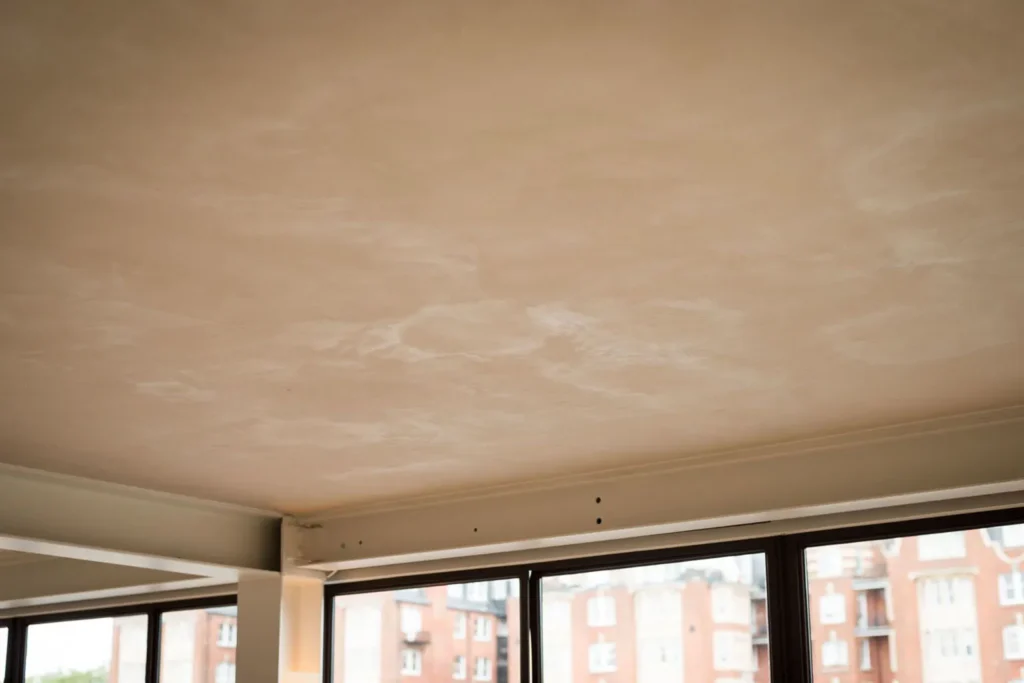
Ceiling re-skimming services cover everything from single rooms to whole-house transformations. Artex removal, water damage repair, and general resurfacing all benefit from professional skimming that delivers smooth, lasting finishes. Experienced plasterers handle overhead challenges efficiently — proper prep, quality application, seamless results — ceilings ready for any decorative treatment.

Expert plaster repairs blend invisibly into existing wall surfaces through professional skimming technique. Damaged sections get properly prepared, filled, and skim coated with careful attention to edge feathering. Texture matching ensures patches disappear completely — targeted repairs that restore walls efficiently without full re-skimming costs.
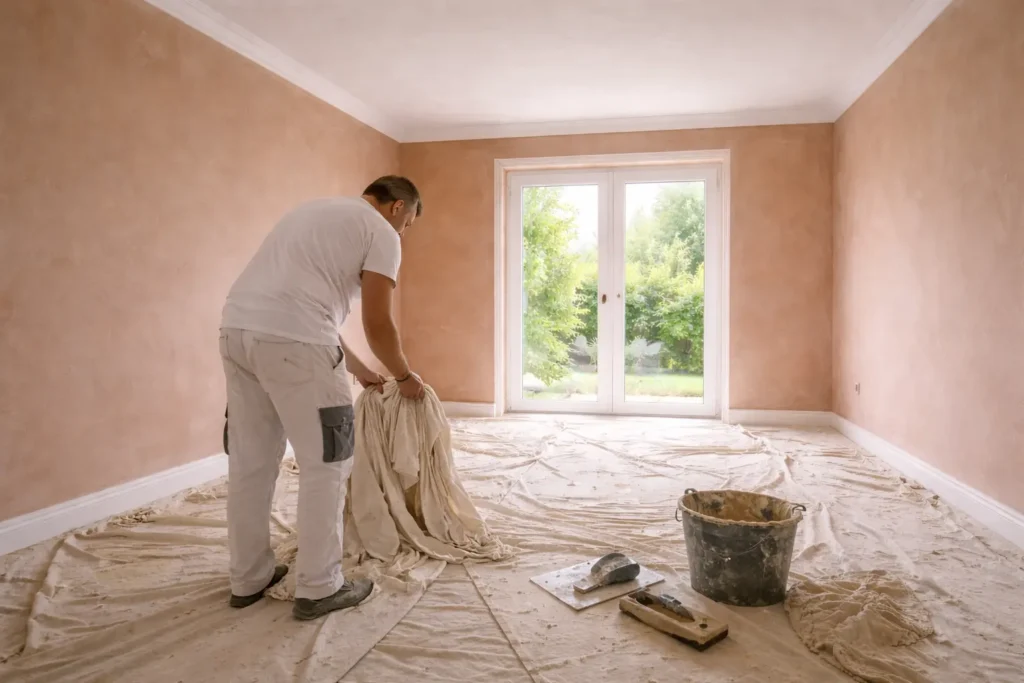
Finishing new plasterboard creates the smooth walls your extension or conversion deserves. Professional taping hides joints invisibly, while quality skim coats deliver decoration-ready surfaces throughout. Skilled plasterers work systematically — proper preparation, consistent application, clean finishing — transforming raw boards into flawless living spaces ready for decorating.
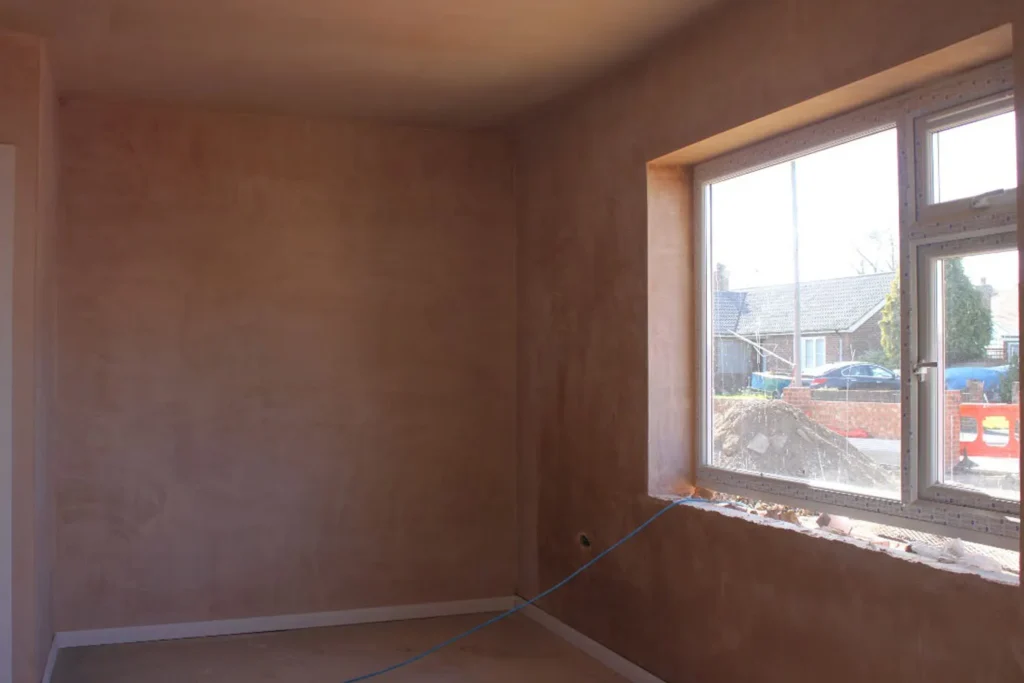
Full room skimming creates fresh, unified spaces with consistent smooth finishes across all surfaces. Comprehensive coverage ensures walls and ceilings match perfectly — no texture variations, no patchy areas, just seamless results throughout. Professional plasterers transform rooms completely, delivering even quality that makes decorating effortless.
Cheap skimming costs more when you’re repainting rippled walls a year later. Here’s the detail on our quality-first approach across London Fields.
Properties near St Peters Church tend toward solid nine-inch walls with lime plaster. Toward Gornalwood Bus Depot you hit more cavity construction with gypsum. Out near Gornalwood Recreation Ground the estates are mostly board. Knowing London Fields’s building history makes preparation instinctive.
New plasterboard drinks moisture unevenly, old lime plaster grabs too fast, painted surfaces reject bonding — preparation solves each problem differently. Skimming success across London Fields starts with understanding what you’re coating.
Locally victorian back-to-backs and modern developments properties dominate London Fields, generally 2.4m to 2.8m (7.9ft – 9.2ft) to the ceiling. Years skimming this specific housing builds instinct about wall behaviour, typical conditions, and preparation approaches that deliver lasting results.
When you get in touch, the tradesman answers — same person who’ll assess your surfaces and apply the skim coats. Conversations about wall condition, preparation needs, and finishing standards happen with someone qualified to give proper answers.
Conversation focuses on understanding the job — current surface state, scope of work, access considerations. Assessment gets booked at convenient timing to inspect walls thoroughly and provide clear, accurate pricing.
Assessment means properly reading your walls — tapping for hollow sections, checking suction rates, identifying previous repairs, spotting potential problems. The plasterer explains what preparation’s needed and why. You get clear pricing based on actual surface condition, not guesswork from photos.
Work follows proper sequence — preparation, first coat, second coat, finishing. Dust sheets protect flooring and furniture throughout. Comprehensive cleanup follows completion. You’ll understand drying stages, mist coat requirements, and realistic timelines for decorating.
Planning wall work means practical questions need answering — what preparation involves, realistic durations, when you can decorate. Clear information below.
Room duration depends on starting conditions. Sound walls in a standard bedroom complete in a day. Add preparation complications, ceiling work, or surface repairs, and timing stretches. Assessment identifies genuine requirements, enabling realistic scheduling.
Not always — it depends on existing surface condition. Sound plaster that’s firmly attached just needs keying and coating. Blown plaster that sounds hollow when tapped needs removing. Multiple previous coats building thickness sometimes require stripping. Assessment determines what your specific walls need — some skim straight over, others need work first.
Skim coats are thin finish applications — usually 2-3mm — over existing prepared surfaces. Plastering covers broader scope including base coats on bare walls, render application, depth building. Most domestic jobs involve skimming rather than complete replastering from scratch.
It depends on paint type and buildup. Thin matt emulsion can receive skim after surface keying. Heavy coatings, gloss finishes, or silk paint cause bonding failures — usually requiring stripping or adhesion agent application. Assessment identifies specific requirements.
Allow surfaces to dry properly before painting — 2-4 days minimum in ventilated rooms, though complete curing takes 2-3 weeks. Apply mist coat first with watered-down emulsion. Early decoration causes peeling and blistering issues.
Fill out the form or call now to speak directly to the plasterer covering your area. No call centres, no delays – just clear answers and fast action.
Your details are safe – we only use them to respond to your enquiry
We cover skimming work across the complete London Fields region. Tradesmen familiar with local properties — building eras, typical conditions, surface behaviours — delivering finishes that suit these walls.