
Quality shows through paint — flat walls or rippled, proper prep or rushed. Professional skimming across Intake that delivers surfaces worth the decoration you’ll put on them.
Re-skimming a room should be straightforward, but the platform approach complicates everything. Post on Bark and suddenly you’re managing multiple quotes, juggling phone calls, and trying to work out who’s genuine. Direct contact with one trusted plasterer cuts through all that.
There’s a better way to find a plasterer.
One reliable plasterer handles skimming across Intake. Your call or form goes straight to the person who’ll actually do the work at your home — no intermediaries, no quote comparisons, just direct professional contact.
Quality wall skimming eliminates surface problems that make decorating difficult. Cracks, bumps, patches, and uneven textures disappear beneath professionally applied skim coats, leaving smooth walls that take any finish beautifully. Experienced plasterers work methodically — proper prep, consistent application, clean finishing — delivering surfaces that transform how your rooms look and feel.
Have a look at the service breakdown below. If it suits what your walls need, get in touch and we’ll sort it. If not, no problem — good luck finding the right help.

Wall skim plastering creates the blank canvas every decorator dreams of. Lumpy, bumpy, or damaged walls get transformed into perfectly flat surfaces ready for any finish. Professional plasterers assess existing conditions, prepare surfaces correctly, and apply smooth skim coats that hide imperfections completely — delivering the quality foundation that makes decorating straightforward and results impressive.
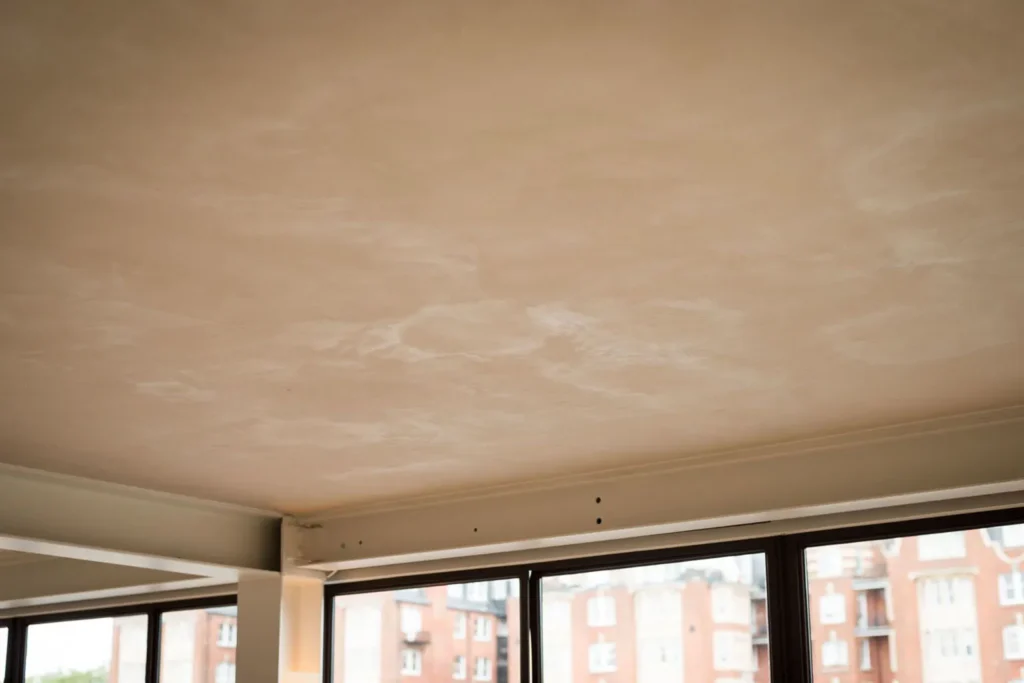
Ceiling skim coats create clean, modern overhead finishes that brighten rooms and update tired interiors. Old Artex, damaged plaster, and uneven surfaces vanish beneath professional skimming applied by experienced tradesmen. Quality preparation, skilled application, and attention to detail ensure ceilings that look right and stay smooth for years.

Expert patch plastering makes repairs invisible through skilled blending and finishing technique. Localised damage gets properly prepared and skim coated with careful feathering into surrounding surfaces. Professional tradesmen match existing textures and finishes exactly — patches that paint over seamlessly and stay hidden permanently without requiring full wall re-skimming.
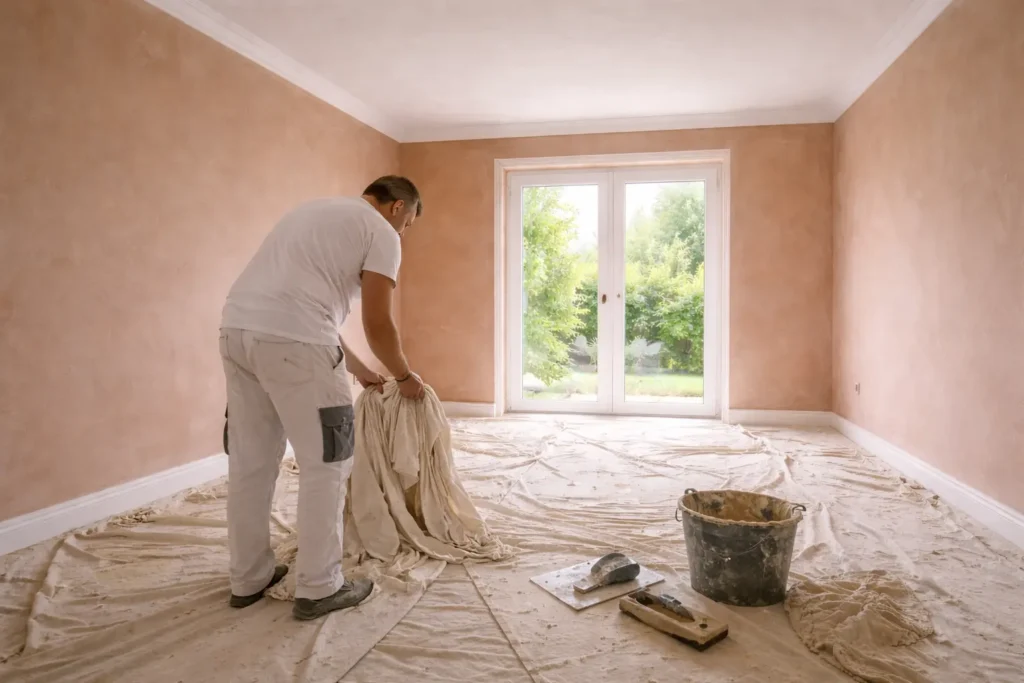
New construction plastering delivers smooth finishes on freshly installed plasterboard throughout your project. Kitchen extensions, loft conversions, and new builds all require professional jointing, taping, and skimming to create walls ready for decoration. Quality preparation and skilled application ensure seamless surfaces that won’t crack or show joints over time.
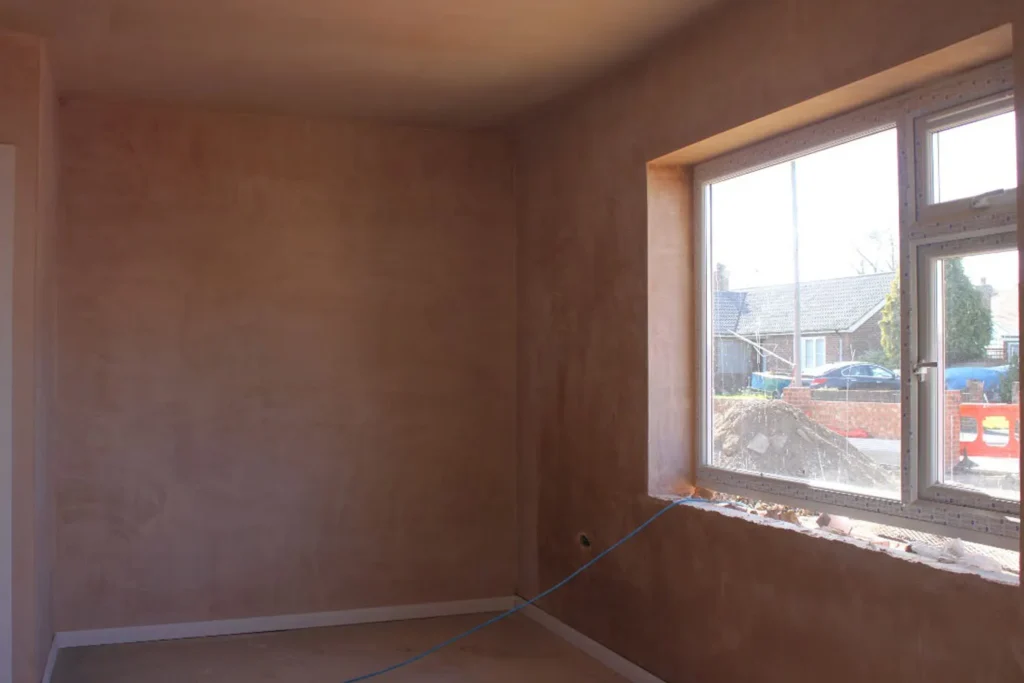
Full room skimming transforms entire spaces with consistent smooth finishes across all walls and ceilings. Complete re-plastering creates uniform surfaces throughout — no mismatched textures, no patchy areas, just seamless results from floor to ceiling. Professional plasterers work room by room, ensuring consistent coverage and quality finishing that makes decorating straightforward and results impressive.
The difference between acceptable and excellent sits in the final ten minutes of finishing. Here’s where our focus goes across Intake.
Properties around Intake Park were mostly built pre-war — lime plaster, lath ceilings, solid walls. Near St Stephens Church the fifties estates dominate. Toward Leger Way it’s newer construction. Each era across Intake needs different preparation approaches.
Walls after wallpaper stripping that stripped plaster too, ceilings with nicotine staining beneath, patches where old and new plaster meet — problem surfaces need solving before skimming starts. We find the problems first throughout Intake.
Most Intake properties are 1930s council housing or 1960s terraces with 2.3m to 2.5m (7.5ft – 8.2ft) ceilings. Working exclusively on this housing type builds specific knowledge — where walls tend to blow, how surfaces typically behave, what preparation delivers lasting results.
Calls and forms go straight to your area’s tradesman — no filtering through people who’ve never held a trowel. You get honest conversation about wall types, preparation needs, and what quality skimming actually requires.
They’ll ask about your walls — what’s on them, what state they’re in, how many rooms need work. This shapes the assessment visit, which gets arranged for a mutually convenient time to inspect surfaces thoroughly before providing detailed costs.
Assessment includes thorough surface checking — hollow spots, suction differences, failed previous coats, damp indicators. You’ll know what preparation’s required before work begins. Clear quotes follow, based on actual wall condition rather than estimates from descriptions.
Plastering gets completed properly — correct preparation, consistent application, careful finishing. Protection covers work areas throughout, and thorough tidying follows. Clear guidance covers drying stages, when emulsion misting should happen, and realistic decoration timelines.
Skimming questions tend to follow patterns — how’s it done, how long’s it take, when can I decorate. Clear answers below, nothing complicated.
A day covers most bedroom skimming when surfaces behave. Walls requiring bonding, extensive repairs, or previous coat removal add significant time. Ceilings alongside walls extend schedules. You’ll receive realistic duration estimates after wall assessment.
Some walls skim over existing surfaces, others need stripping — condition determines approach. Solid, well-attached plaster just needs keying. Blown areas, failed coats, or excessive thickness require removal. Assessment identifies what’s needed rather than guessing.
Skimming means applying thin finish coats — usually 2-3mm — over existing prepared surfaces. Plastering includes heavier work like base coats on brick, render application, or building thickness. Home re-skimming typically involves thin finish coats over existing plaster, not full plastering systems.
Paint type and condition determine approach. Light matt emulsion on sound plaster can take skim after keying. Heavy paint buildup, gloss finishes, or silk coatings cause bonding problems — typically requiring stripping or bonding coat application. Assessment identifies what preparation your painted surfaces need.
Standard skimming dries surface-ready in 2-4 days typically, though full cure extends weeks. Mist coat application first — watered-down matt emulsion sealing porous surfaces — before proper decoration. Insufficient drying causes paint failures.
Fill out the form or call now to speak directly to the plasterer covering your area. No call centres, no delays – just clear answers and fast action.
Your details are safe – we only use them to respond to your enquiry
Coverage includes all locations throughout Intake. Quality finishes from plasterers who understand local properties — construction eras, surface types, preparation requirements — not guesswork.