
The difference is in the detail — preparation, timing, finishing technique. Professional skim coats across Willenhall Wood that create genuinely flat walls, not just acceptable ones.
When you need professional skimming, the traditional platform route adds unnecessary steps. List the job, wait for responses, compare quotes, check reviews, make a decision — all while your walls sit there looking rough. Simpler is better.
There’s a clearer route to great finishes.
Willenhall Wood has one reliable skimming specialist assigned. Your call or form reaches them directly — the same person who’ll survey your rooms and deliver flawless finishes without competitive quoting games.
Professional plastering encompasses various skimming scenarios. Patch repairs blending into existing surfaces need precision, full re-skims need consistency, and each job benefits from understanding the surface conditions before work begins.
See what we handle below and decide if we’re the right people for your job. If yes, contact us and we’ll get things moving. If no, that’s completely fine — thanks for checking.

Wall skimming services cover everything from single feature walls to complete room transformations. Damaged plaster, rough textures, and uneven surfaces all respond to professional re-skimming that creates smooth, consistent finishes. Experienced plasterers match existing textures where needed, blend repairs invisibly, and deliver walls that make decorating straightforward and results impressive.
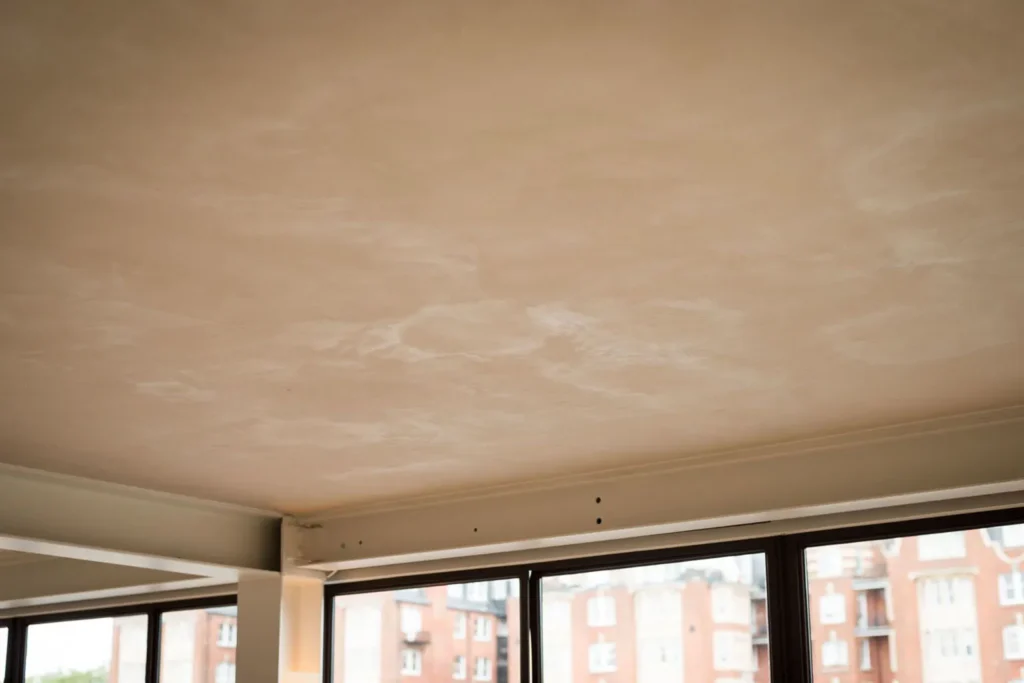
Re-skimming ceilings eliminates textured patterns that date properties and make decorating difficult. Stipple, swirl, bark, and other Artex finishes vanish beneath professional skim coats, leaving smooth surfaces ready for paint. Skilled ceiling work requires experience — working overhead, managing drying times, avoiding joins — delivering flat finishes that transform room appearances.

Professional patch plastering fixes localised damage without the disruption of full re-skimming. Impact holes, cable chases, removed fixtures, and cracked sections respond to targeted repair work that blends invisibly with existing surfaces. Experienced plasterers match textures, feather edges, and finish seamlessly — patches that paint over perfectly and stay hidden permanently.
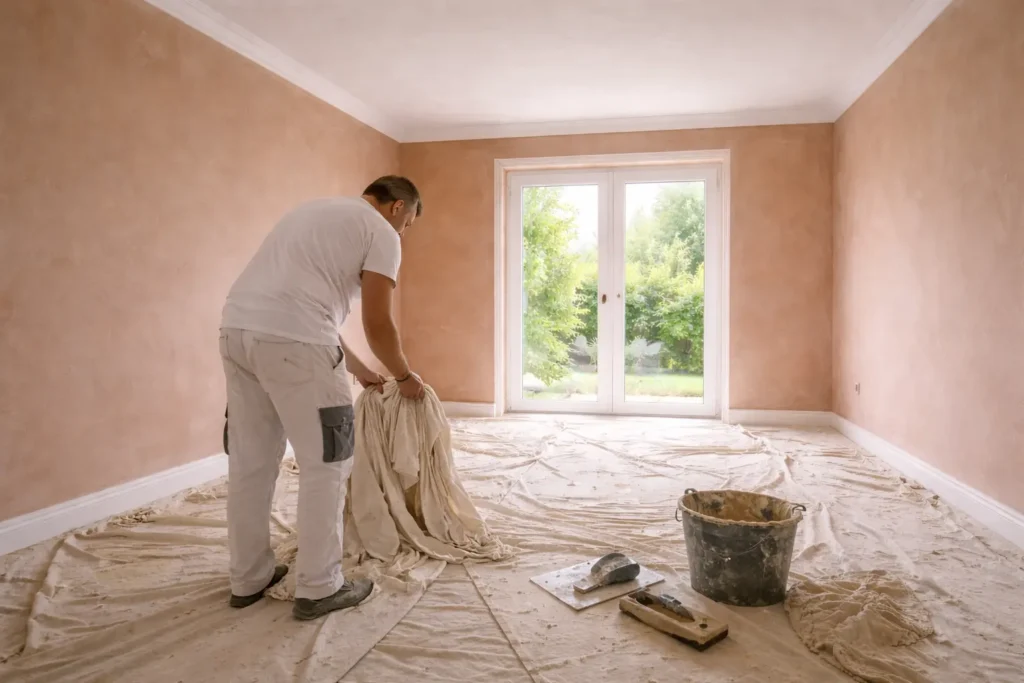
New construction plastering delivers smooth finishes on freshly installed plasterboard throughout your project. Kitchen extensions, loft conversions, and new builds all require professional jointing, taping, and skimming to create walls ready for decoration. Quality preparation and skilled application ensure seamless surfaces that won’t crack or show joints over time.
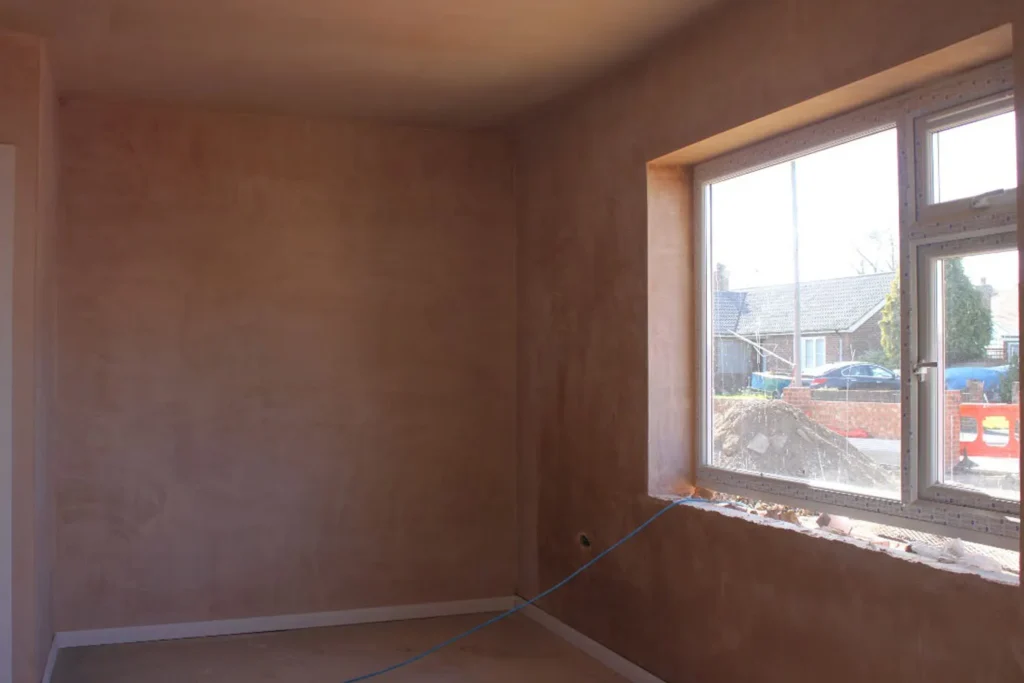
Complete room plastering transforms tired spaces into fresh, modern environments with consistent smooth finishes. Full wall and ceiling coverage ensures unified quality throughout — no mismatches, no patchy repairs, just seamless results everywhere. Skilled plasterers work efficiently, delivering the even finishing that makes decorating effortless and rooms feel completely renewed.
Most skimming complaints come six months later when cracks appear. Here’s how we prevent that across Willenhall Wood properties.
We’ve opened up walls from Binley Village right through to Brandon Lane. The surprises reduce over time — you learn where the horse hair plaster sits, which estates used lightweight blocks, where the council did mass re-skims in the eighties. Willenhall Wood walls become familiar.
Single feature walls, whole room transformations, awkward ceiling repairs, invisible patch blending — each job type brings its own challenges. Consistent quality across Willenhall Wood comes from adapting methods to match conditions, not applying the same approach everywhere.
Typical Willenhall Wood homes feature stone cottages and village houses construction, 2.3m to 2.6m (7.5ft – 8.5ft) ceiling heights. Years working on this exact property mix means preparation becomes intuitive — recognising conditions that cause problems and addressing them automatically.
Contact connects you directly with your local tradesman — the person who’ll inspect your walls and deliver smooth finishes. Questions about surface types, preparation approaches, and expected results get trade answers, not sales responses.
They’ll ask about existing conditions — wall types, current finishes, room layouts, any visible problems. This information shapes the site visit, which gets scheduled for convenient timing to properly assess preparation needs and provide clear pricing.
Site visits involve genuine wall inspection — checking for blown plaster, assessing suction, noting previous repairs, identifying preparation requirements. You’ll understand what needs doing before skimming starts. Quotes reflect actual surface condition and realistic preparation time.
Work gets completed to standard — proper preparation stages, quality application, careful finishing technique. Dust sheets go down, cleanup follows completion. You’ll know about drying requirements, mist coat application, and when surfaces are ready for full decoration.
Most people ask similar things before booking — what preparation’s needed, how long work takes, when decorating can start. Direct answers below.
A typical room with reasonable walls takes around a day to complete. Surface condition affects timing more than room size — walls needing stripping, bonding, or extensive prep work add time. Ceiling skimming alongside walls adds half a day typically. Assessment provides accurate scheduling for your specific surfaces.
Some do, some don’t — existing condition decides. Sound plaster gets keyed and skimmed over. Hollow-sounding blown areas need removing. Multiple heavy coats might require stripping back. Assessment reveals what preparation your surfaces genuinely require.
Skim finishing creates smooth walls using thin coats — 2-3mm typically — over existing surfaces. Plastering encompasses heavier applications: base coats on masonry, render work, depth building. Most domestic re-finishing involves skimming existing plaster rather than full replastering.
Some painted walls skim over, others need work first. Light matt emulsion on sound plaster takes skim after keying. Thick paint, gloss finishes, or silk coatings create adhesion problems — often needing removal or bonding preparation. Assessment determines approach.
New skim needs drying time — typically 2-4 days for surface drying, weeks for complete curing. Mist coat first using diluted matt emulsion to seal porous surfaces. Then proper painting follows. Rushing decoration risks adhesion failure and paint defects.
Fill out the form or call now to speak directly to the plasterer covering your area. No call centres, no delays – just clear answers and fast action.
Your details are safe – we only use them to respond to your enquiry
Services extend throughout Willenhall Wood for quality skimming. Tradesmen who know local walls — the pre-war terraces, inter-war semis, post-war estates — and what each building era needs for proper finishes.