
The difference is in the detail — preparation, timing, finishing technique. Professional skim coats across Springbank that create genuinely flat walls, not just acceptable ones.
Getting clean, smooth walls shouldn’t involve managing a procurement process. The big platforms turn simple skimming jobs into comparison exercises that waste your time. One phone call to a trusted tradesman gets better results faster.
There’s a clearer route to great finishes.
One reliable plasterer handles skimming across Springbank. Your call or form goes straight to the person who’ll actually do the work at your home — no intermediaries, no quote comparisons, just direct professional contact.
Skim coat requirements differ between properties and rooms. Bathrooms following re-tiling need different prep than living rooms after wallpaper removal, and each situation benefits from experienced professional assessment and appropriate technique.
Read the breakdown below and decide if we handle your type of skimming. If we do, get in contact and we’ll respond promptly. If we don’t, that’s fine — appreciate you stopping by.

Wall plastering services deliver smooth surfaces that change how rooms look and feel. Whether covering old damage, refreshing dated finishes, or preparing for decoration, professional skimming creates flawless walls throughout your home. Skilled application, quality materials, and attention to detail ensure results that last — surfaces ready for paint, wallpaper, or any finish you choose.
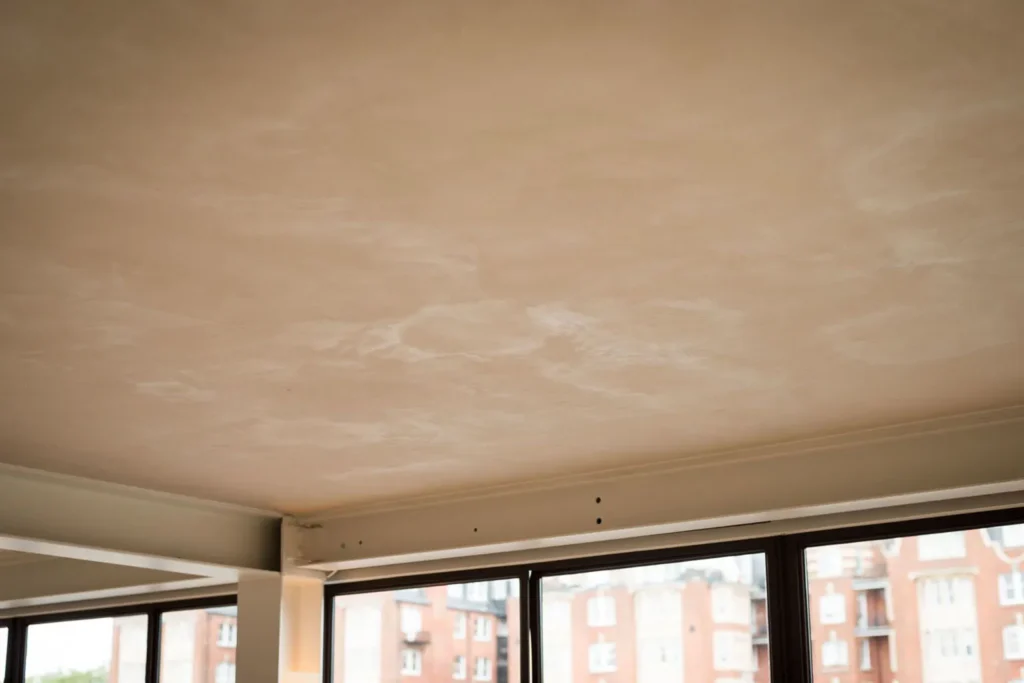
Re-skimming ceilings delivers smooth surfaces that transform room aesthetics completely. Textured patterns, visible repairs, and water staining disappear beneath flat skim coats that reflect light evenly. Professional ceiling work demands specific skills — working overhead, managing materials, finishing seamlessly — delivering results that modernise homes and simplify decorating.

Blending plaster repairs requires professional technique that makes patches invisible on finished walls. Damage from various causes — impacts, removed fittings, cables, cracks — gets properly prepared and skim coated to match existing surfaces. Careful feathering and texture matching ensure seamless results ready for any decorative treatment.
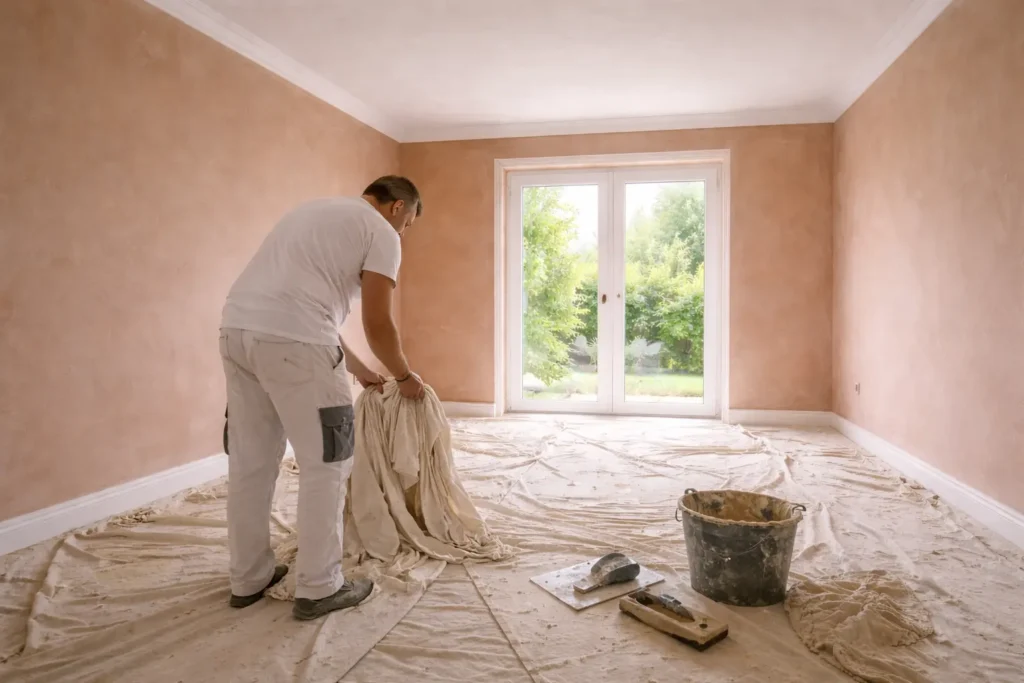
Finishing new plasterboard requires specialist technique that creates invisible joints and smooth surfaces. Extensions, conversions, and renovation projects need professional taping and skim coating to transform raw boards into decoration-ready walls. Experienced plasterers ensure seamless results — no visible joins, no cracking at corners, just flawless finishes throughout.
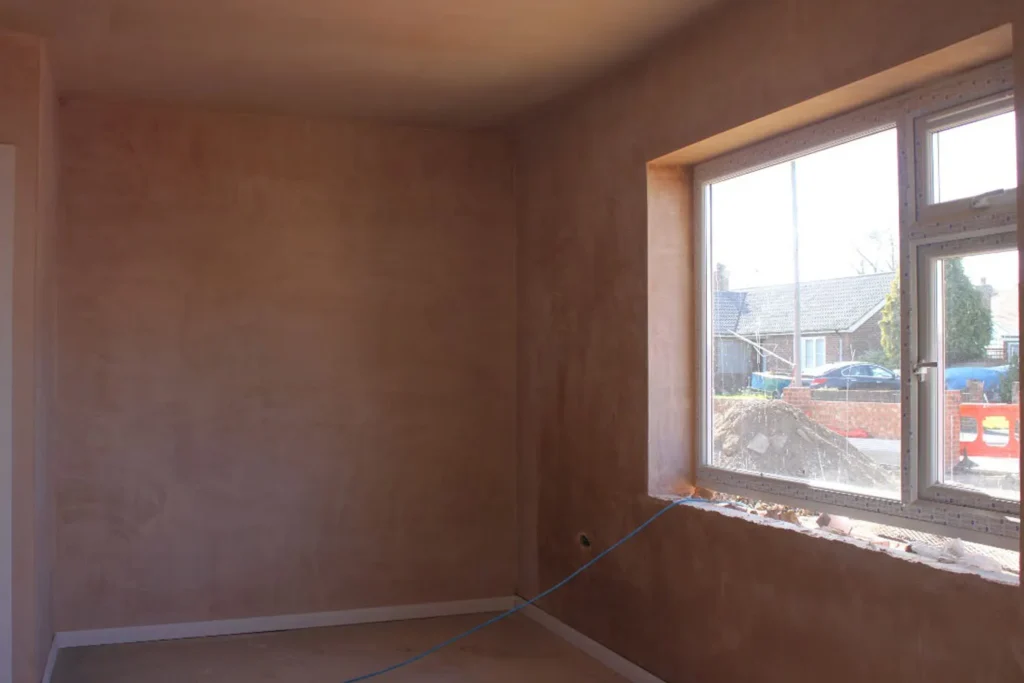
Complete room re-skimming delivers total transformation when walls and ceilings all need attention. Full coverage ensures consistent finishes throughout — no texture variations, no visible joins between old and new work. Experienced plasterers work systematically through each room, creating smooth surfaces that unify spaces and make decorating effortless.
Skimming looks easy until you try it yourself. Here’s the trade knowledge behind our consistently smooth finishes across Springbank.
Plastering from St Pauls Church to Cheltenham College and across to Pittville Park for years teaches you what Springbank walls are actually made of. The Victorian terraces have lime underneath. The inter-war semis have hard pink gypsum. The estates have lightweight board. Each needs handling differently.
Single feature walls, whole room transformations, awkward ceiling repairs, invisible patch blending — each job type brings its own challenges. Consistent quality across Springbank comes from adapting methods to match conditions, not applying the same approach everywhere.
The housing stock here — mostly victorian terraces and regency villas, 2.7m to 3.0m (8.9ft – 9.8ft) ceilings — has specific characteristics worth knowing. Typical construction methods, common material choices, predictable weak points. Local focus builds practical understanding.
Your call reaches the plasterer who’ll actually skim your walls — not an office worker reading from a script. You discuss surface conditions, room layouts, and realistic timelines with someone who’s spent years reading walls and knows what questions matter.
Discussion establishes your starting point — existing surfaces, room requirements, preparation concerns. Site visit gets scheduled for mutual convenience, giving proper time to assess wall condition and provide accurate costs.
Assessment means examining walls properly — testing adhesion, checking suction, spotting blown areas, assessing previous plaster quality. Clear explanation of preparation needs follows. Pricing reflects genuine surface requirements, not guesses from photographs.
Work happens systematically — thorough preparation, even coating, skilled finishing while plaster’s workable. Protection throughout, cleanup after. You’ll know specific drying times, when mist coat application should happen, and how soon full decoration can begin.
Planning plastering work brings practical questions — preparation needs, realistic timelines, decoration timing. Here’s the straightforward information most people ask for.
Completion time depends heavily on wall condition. Average bedroom on sound plaster takes roughly a day. Poor surfaces needing preparation work take longer — sometimes considerably. Ceiling work adds time. Assessment reveals what your walls actually require.
It depends on current wall condition. Well-bonded existing plaster takes skim coats directly after proper keying. Delaminated areas need stripping. Multiple thick coats may require removal. Assessment determines what preparation your specific walls actually need.
Skimming means thin finish coats over prepared existing surfaces. Full plastering includes base coats on brick, render application, depth building. Typical home jobs involve re-skimming existing plaster rather than plastering from scratch — thinner applications, quicker completion.
Paint condition affects preparation significantly. Matt emulsion over good plaster takes skim after proper keying. Gloss finishes, silk coatings, or thick paint layers prevent adequate adhesion — typically requiring removal or bonding treatment. Assessment determines your needs.
New plaster requires proper drying — typically 2-4 days minimum, longer for full curing. Mist coat first using watered-down emulsion to seal surfaces correctly. Decorating too early risks adhesion failures, peeling, and blistering.
Fill out the form or call now to speak directly to the plasterer covering your area. No call centres, no delays – just clear answers and fast action.
Your details are safe – we only use them to respond to your enquiry
Coverage includes all locations throughout Springbank. Quality finishes from plasterers who understand local properties — construction eras, surface types, preparation requirements — not guesswork.