
Smooth walls aren’t luck — they’re preparation meeting technique. Professional skimming across Highlands that delivers flat, lasting surfaces ready for paint or paper.
Skimming quotes vary wildly across platforms because pricing depends on who needs the work. You end up comparing apples with oranges while plasterers compete on price rather than quality. One reliable tradesman with fair, consistent rates makes more sense.
We do things differently.
One experienced plasterer covers Highlands, and you speak to them directly. No competing quotes, no call centres — just a clean route to the person who’ll skim your walls and deliver smooth, lasting finishes.
Smooth wall finishes start with professional skimming applied by experienced local plasterers. Rough render, damaged plaster, and textured surfaces all benefit from fresh skim coats that create flat, even walls throughout your rooms. Skilled application around obstacles, clean lines at edges, and consistent coverage ensure results that look right and last — walls ready for paint, paper, or any decorative treatment.
Have a look through what we do below. If it matches your walls, contact us and we’ll get it sorted. If it’s not quite right, no problem — thanks for checking.

Wall skim plastering creates the blank canvas every decorator dreams of. Lumpy, bumpy, or damaged walls get transformed into perfectly flat surfaces ready for any finish. Professional plasterers assess existing conditions, prepare surfaces correctly, and apply smooth skim coats that hide imperfections completely — delivering the quality foundation that makes decorating straightforward and results impressive.
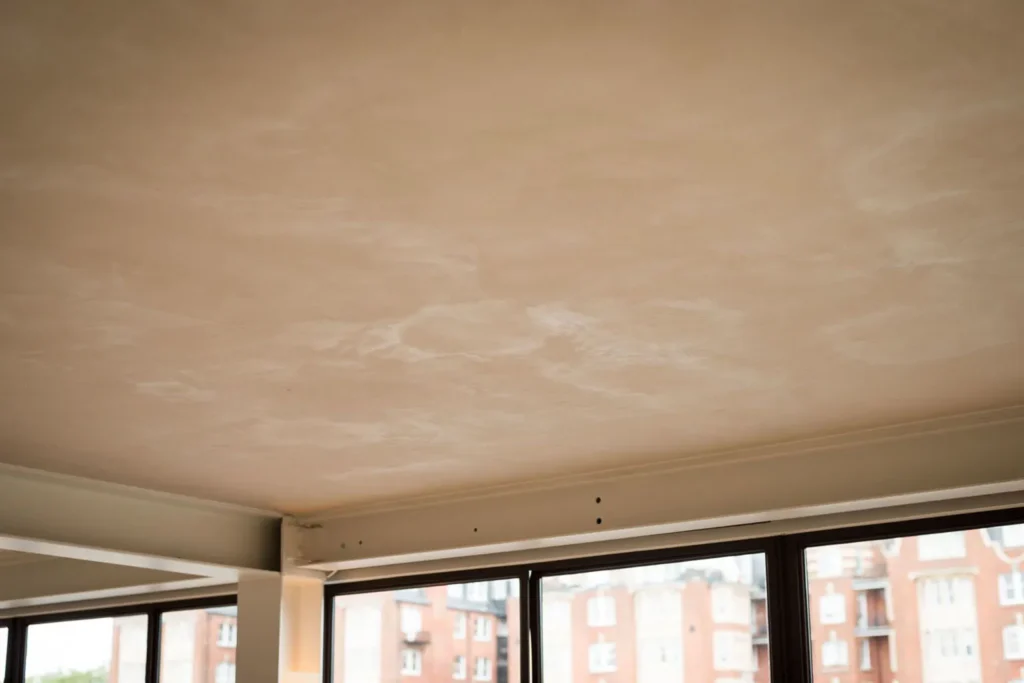
Professional ceiling finishes start with expert skimming that transforms rough or textured surfaces. Outdated Artex, damaged plaster, and uneven areas disappear beneath smooth skim coats applied by skilled tradesmen. Working overhead requires specific technique and experience — delivering flat ceilings that reflect light evenly and make rooms feel fresh.

Expert patch plastering makes repairs invisible through skilled blending and finishing technique. Localised damage gets properly prepared and skim coated with careful feathering into surrounding surfaces. Professional tradesmen match existing textures and finishes exactly — patches that paint over seamlessly and stay hidden permanently without requiring full wall re-skimming.
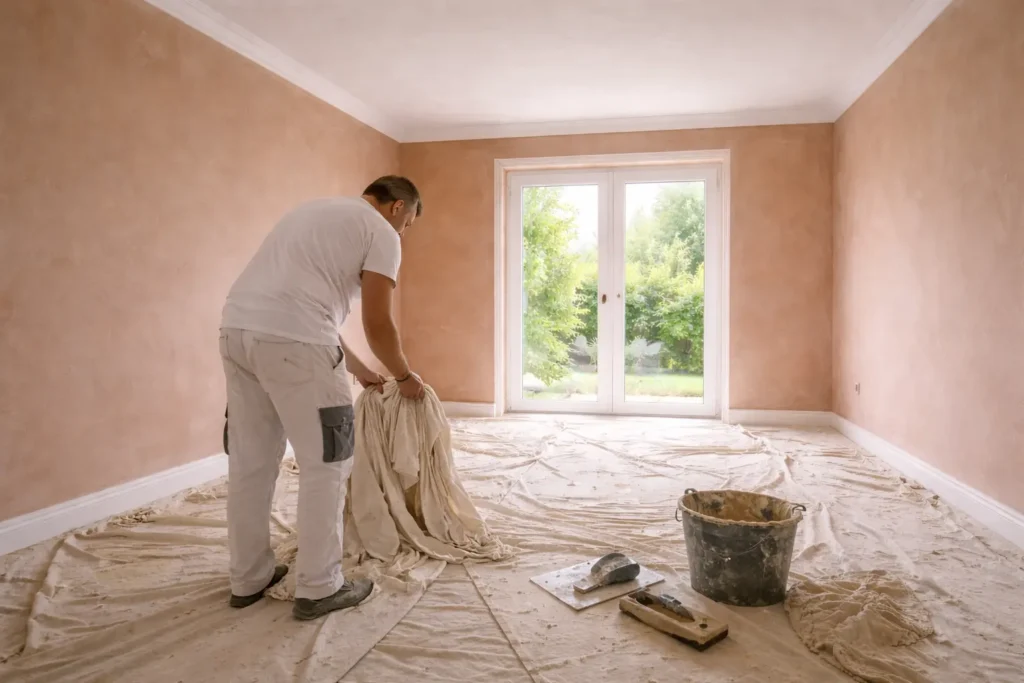
New extension finishing requires quality plastering that transforms raw plasterboard into smooth living spaces. Professional taping, jointing, and skim coating create seamless walls and ceilings throughout your project. Experienced tradesmen work systematically — proper joint preparation, consistent application, clean finishing — delivering results that complete your build to high standards.
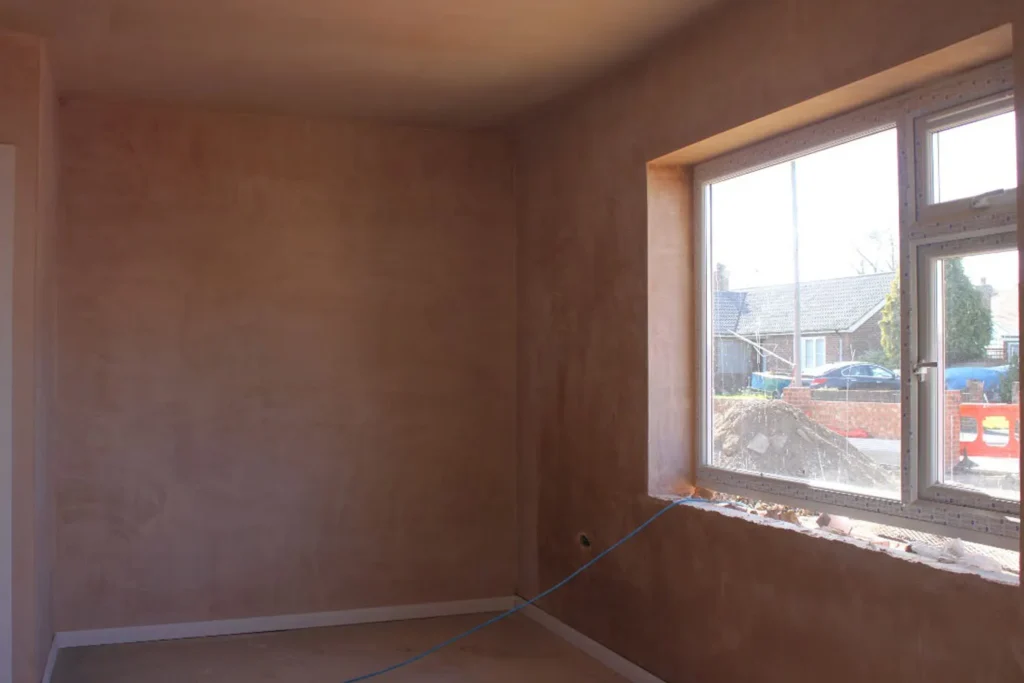
Complete room skimming unifies wall and ceiling finishes for consistent results throughout your spaces. When surfaces need full attention, professional re-plastering delivers smooth coverage everywhere — same quality walls and ceilings, seamless transitions, flawless finishing. Experienced tradesmen work systematically, transforming tired rooms into fresh, decoration-ready spaces.
Smooth walls aren’t luck — they’re preparation meeting technique meeting timing. Here’s what goes into our skimming across Highlands.
We’ve opened up walls from St John Church right through to Main Street. The surprises reduce over time — you learn where the horse hair plaster sits, which estates used lightweight blocks, where the council did mass re-skims in the eighties. Highlands walls become familiar.
Full room re-skims where everything matches, single walls after radiator moves, ceilings following leak repairs, new boards in extensions — the scope varies but the preparation discipline stays constant across Highlands.
Properties throughout Highlands are predominantly victorian terraces and edwardian semis, ceilings 2.6m to 2.8m (8.5ft – 9.2ft). Concentrated experience on this housing stock builds deep understanding — not textbook knowledge, but hands-on familiarity with how these specific walls behave.
Contact connects you directly with your local tradesman — the person who’ll inspect your walls and deliver smooth finishes. Questions about surface types, preparation approaches, and expected results get trade answers, not sales responses.
Discussion focuses on understanding your situation — what the walls look like now, what you want them to become, any previous plastering issues. Assessment gets arranged at suitable timing to check surfaces firsthand before quoting.
On-site evaluation includes systematic checking — surface soundness, absorption consistency, damp presence, repair history. The plasterer explains what preparation involves and why. Quotes based on actual conditions, not hopeful assumptions about hidden problems.
Work happens methodically — proper preparation, controlled application, careful finishing while the plaster’s still workable. Dust sheets protect your belongings, and complete cleanup follows. You’ll know exact drying times, when emulsion misting should happen, and how soon proper decoration can start.
Skimming jobs raise predictable questions — wall preparation, completion timelines, drying requirements. Here’s the honest information you need.
Room duration depends on starting conditions. Sound walls in a standard bedroom complete in a day. Add preparation complications, ceiling work, or surface repairs, and timing stretches. Assessment identifies genuine requirements, enabling realistic scheduling.
Surface condition governs preparation requirements. Well-bonded existing plaster takes skim coats directly. Blown sections need removal. Thick previous coats sometimes require stripping. Assessment identifies what your walls actually need rather than assuming worst-case scenarios.
Skimming means applying thin finish coats — usually 2-3mm — over existing prepared surfaces. Plastering includes heavier work like base coats on brick, render application, or building thickness. Home re-skimming typically involves thin finish coats over existing plaster, not full plastering systems.
Paint type and condition determine approach. Light matt emulsion on sound plaster can take skim after keying. Heavy paint buildup, gloss finishes, or silk coatings cause bonding problems — typically requiring stripping or bonding coat application. Assessment identifies what preparation your painted surfaces need.
Drying times depend on coat thickness, room ventilation, and ambient temperature. Standard skimming typically dries within 2-4 days in well-ventilated rooms, though complete curing takes 2-3 weeks. Mist coat with diluted emulsion first — this seals the surface for proper paint adhesion. Rushing decoration risks paint failure.
Fill out the form or call now to speak directly to the plasterer covering your area. No call centres, no delays – just clear answers and fast action.
Your details are safe – we only use them to respond to your enquiry
Skimming services cover all areas throughout Highlands. Local plasterers who understand the housing stock — Victorian lime, post-war gypsum, modern board — and what preparation each property type actually needs.