
Surfaces that perform under paint, paper, or any finish you choose. Quality skimming across Cyncoed — preparation done thoroughly, application done properly, results that show.
When walls need re-skimming, the platform model adds friction where there shouldn’t be any. Multiple enquiries, coordinated site visits, competitive pricing games — all for a straightforward plastering job. Direct contact streamlines everything.
We’ve taken a simpler route.
Cyncoed has one dedicated plasterer handling skimming. Direct contact means no delays — you speak to the tradesman who’ll assess your walls, provide honest pricing, and deliver professional results.
Wall skim plastering creates the blank canvas every decorator dreams of. Lumpy, bumpy, or damaged walls get transformed into perfectly flat surfaces ready for any finish. Professional plasterers assess existing conditions, prepare surfaces correctly, and apply smooth skim coats that hide imperfections completely — delivering the quality foundation that makes decorating straightforward and results impressive.
Read what we do below and work out if it fits your project. If it sounds right, call or send a message. If it’s not quite the service you need, no hard feelings.

Flawless wall finishes require professional skimming from tradesmen who understand surface preparation and application technique. Rough walls, patchy repairs, and textured surfaces transform into smooth canvases ready for paint or paper. Quality materials, proper preparation, and skilled application combine to create lasting results — walls that stay flat, take decoration evenly, and look professionally finished.
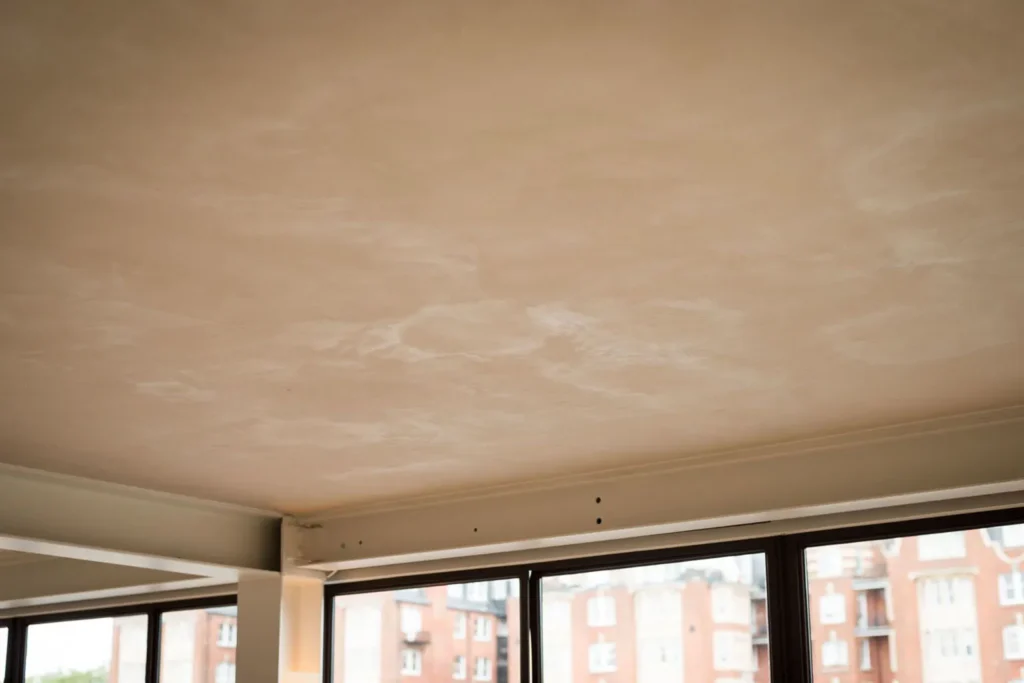
Smooth ceiling skimming removes the textures that date properties and complicate decorating. Stippled finishes, swirl patterns, and rough surfaces transform into flat, contemporary ceilings ready for paint. Professional plasterers work overhead efficiently — consistent coverage, no visible joins, clean finishing — delivering results that modernise rooms and last for years.

Patch repair skimming blends seamlessly into existing surfaces, making damage invisible without re-plastering entire walls. Holes, cracks, dents, and damaged sections get properly filled, keyed, and skim coated to match surrounding plaster exactly. Skilled plasterers feather edges, match textures, and finish patches so they disappear completely — repairs that stay hidden under any decorative finish you apply.
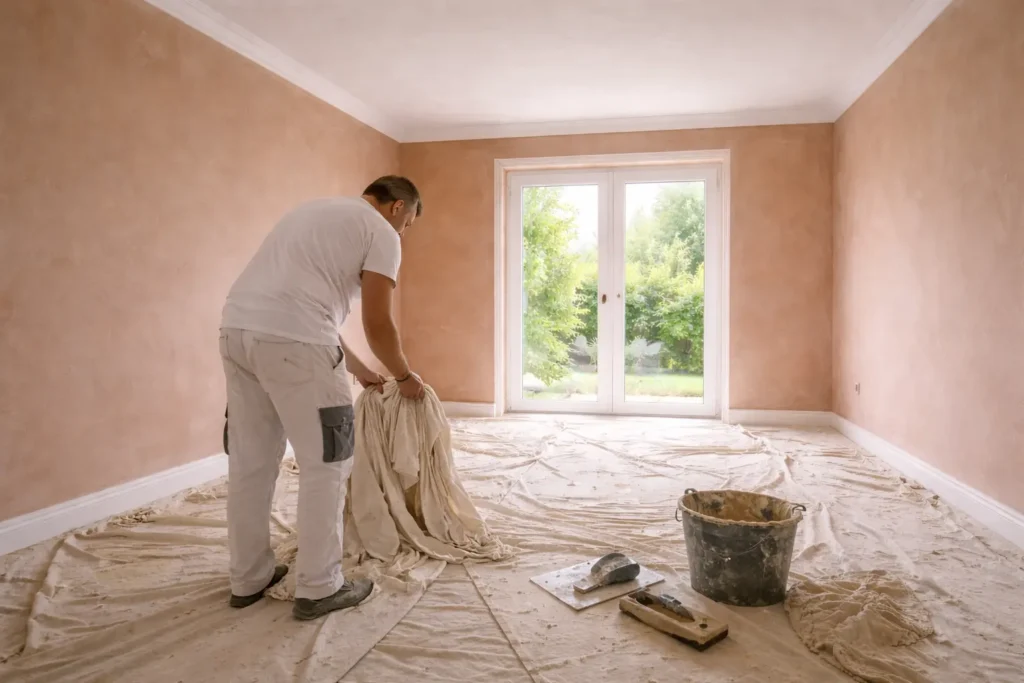
Expert new construction plastering finishes boards to smooth, professional standards throughout your project. Extensions, conversions, and new builds require skilled taping and skimming to create walls ready for decoration. Experienced plasterers prepare joints correctly, apply even skim coats, and finish to high standards — seamless results that complete your build.
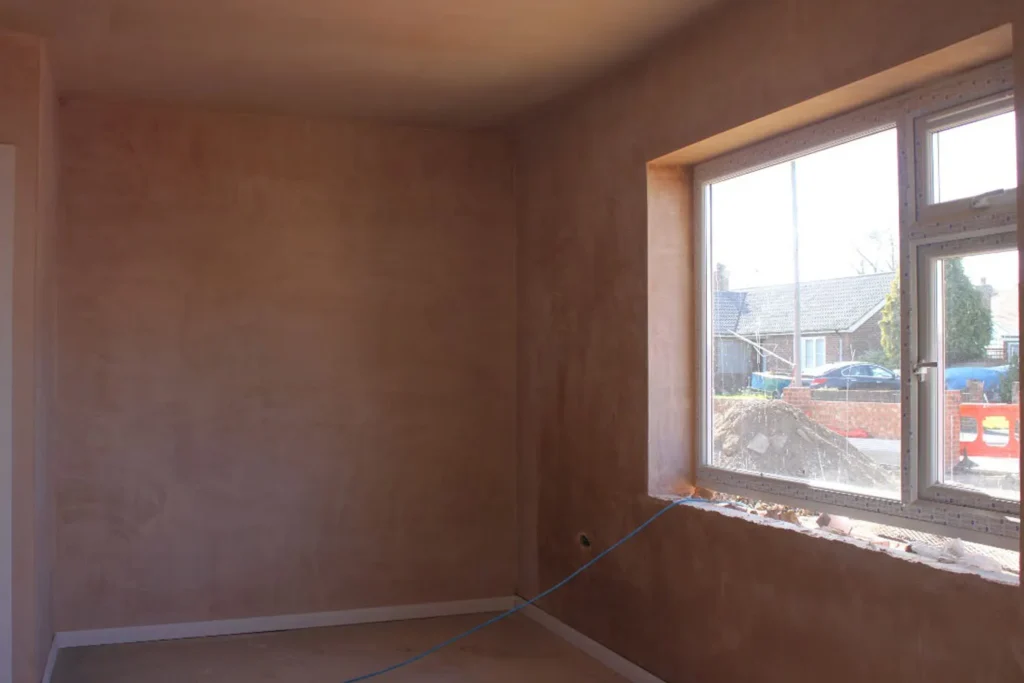
Full re-skim plastering transforms tired rooms into fresh, modern spaces with consistent finishes throughout. Walls and ceilings receive complete coverage — no patching, no texture mismatches, just smooth surfaces everywhere. Skilled plasterers work room by room, delivering unified results that make decorating straightforward and rooms feel completely renewed.
Flat ceilings show bad walls. Flat walls show bad ceilings. Here’s why we finish both to the same standard throughout Cyncoed.
Experience across Cyncoed — Roath Park, Cyncoed Road, Lake Road West — builds a mental map of what’s behind the paint. Bay-fronted houses usually mean lath and lime. Pebbledash semis mean sand and cement render. That knowledge speeds up assessment and prevents preparation mistakes.
Blown plaster that sounds hollow, old distemper that kills adhesion, suction differences between old and new surfaces — these problems sink skimming jobs. We identify them first throughout Cyncoed, fixing foundations before applying finishes.
For the most part edwardian villas and inter-war houses make up most of Cyncoed, typically with 2.7m to 3.0m (8.9ft – 9.8ft) ceilings. Those building types share common features — similar construction eras, comparable materials, predictable issues. Understanding the patterns improves every job.
Enquiries go straight to the plasterer covering Cyncoed — no booking team guessing at job requirements. You talk walls, surfaces, and preparation with someone who understands the difference between a quick re-skim and a full strip-back job.
Initial questions establish the scope — surface types, room count, known problems, finish expectations. The plasterer uses this to plan assessment requirements, then schedules a convenient visit to inspect walls properly and quote accurately.
Wall inspection covers everything relevant — structural soundness, surface adhesion, previous repair quality, moisture levels. The plasterer explains preparation needs in plain terms. Pricing reflects what your walls actually require, not generic per-metre rates.
Plastering happens systematically — correct preparation, even application, timely finishing. Work areas get protected properly, and thorough cleanup occurs after. Clear information covers drying periods, when to apply mist coats, and how soon decoration can follow.
Skimming jobs raise predictable questions — wall preparation, completion timelines, drying requirements. Here’s the honest information you need.
Completion time depends heavily on wall condition. Average bedroom on sound plaster takes roughly a day. Poor surfaces needing preparation work take longer — sometimes considerably. Ceiling work adds time. Assessment reveals what your walls actually require.
Existing surface quality determines approach. Firmly bonded plaster skims over after keying. Blown areas, delaminated coats, or excessive previous layers need stripping. Assessment identifies which preparation each wall section requires.
Skim coats are thin finish applications — typically 2-3mm — creating smooth walls over existing surfaces. Plastering includes heavier work like base coats, render, or building thickness on bare masonry. Most domestic re-finishing involves skimming rather than complete replastering.
Paint type and thickness determine preparation. Matt emulsion over good plaster receives skim after proper keying. Gloss, silk, or heavy paint buildup causes bonding issues — typically requiring stripping or specialist treatment. Assessment reveals what your walls need.
Allow surfaces to dry properly before painting — 2-4 days minimum in ventilated rooms, though complete curing takes 2-3 weeks. Apply mist coat first with watered-down emulsion. Early decoration causes peeling and blistering issues.
Fill out the form or call now to speak directly to the plasterer covering your area. No call centres, no delays – just clear answers and fast action.
Your details are safe – we only use them to respond to your enquiry
We operate throughout Cyncoed for professional skimming. Plasterers with genuine knowledge of local homes — construction eras, wall types, surface behaviours — delivering finishes suited to these properties.