
Smooth walls aren’t luck — they’re preparation meeting technique. Professional skimming across Queensbury that delivers flat, lasting surfaces ready for paint or paper.
When you need professional skimming, the traditional platform route adds unnecessary steps. List the job, wait for responses, compare quotes, check reviews, make a decision — all while your walls sit there looking rough. Simpler is better.
Our approach is more straightforward.
One experienced plasterer covers Queensbury, and you speak to them directly. No competing quotes, no call centres — just a clean route to the person who’ll skim your walls and deliver smooth, lasting finishes.
Skim plastering covers diverse situations. Kitchen refreshes after tile removal differ from bedroom re-skims, and each room presents unique challenges — proper evaluation ensures appropriate methods and smooth, consistent results.
Take a look at what we do below. If you think we’re a good match for your walls, get in touch. If not, no hard feelings — thanks for stopping by.

Wall skimming transforms rough, damaged, or outdated surfaces into smooth, paintable finishes ready for any decoration. Whether following wallpaper removal, covering old Artex, or refreshing tired plasterwork, professional skim coats create flawless walls throughout your home. Skilled application ensures consistent coverage, clean edges around sockets and switches, and durable surfaces that won’t crack or flake — giving rooms a fresh, modern feel that makes decorating effortless.
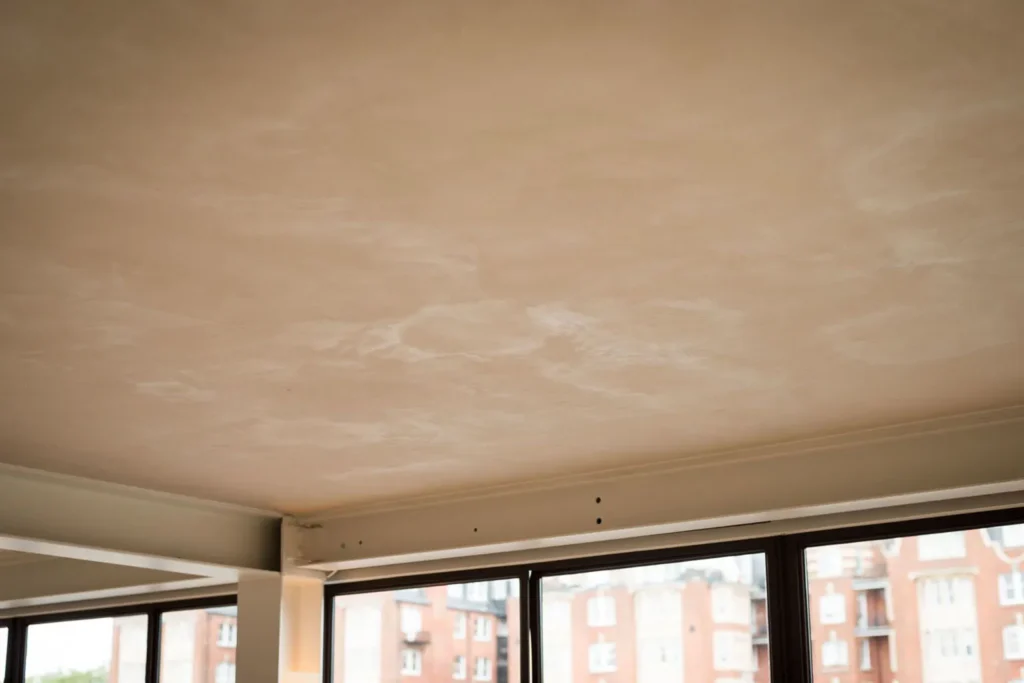
Ceiling skim coats create clean, modern overhead finishes that brighten rooms and update tired interiors. Old Artex, damaged plaster, and uneven surfaces vanish beneath professional skimming applied by experienced tradesmen. Quality preparation, skilled application, and attention to detail ensure ceilings that look right and stay smooth for years.

Professional patch plastering fixes localised damage without the disruption of full re-skimming. Impact holes, cable chases, removed fixtures, and cracked sections respond to targeted repair work that blends invisibly with existing surfaces. Experienced plasterers match textures, feather edges, and finish seamlessly — patches that paint over perfectly and stay hidden permanently.
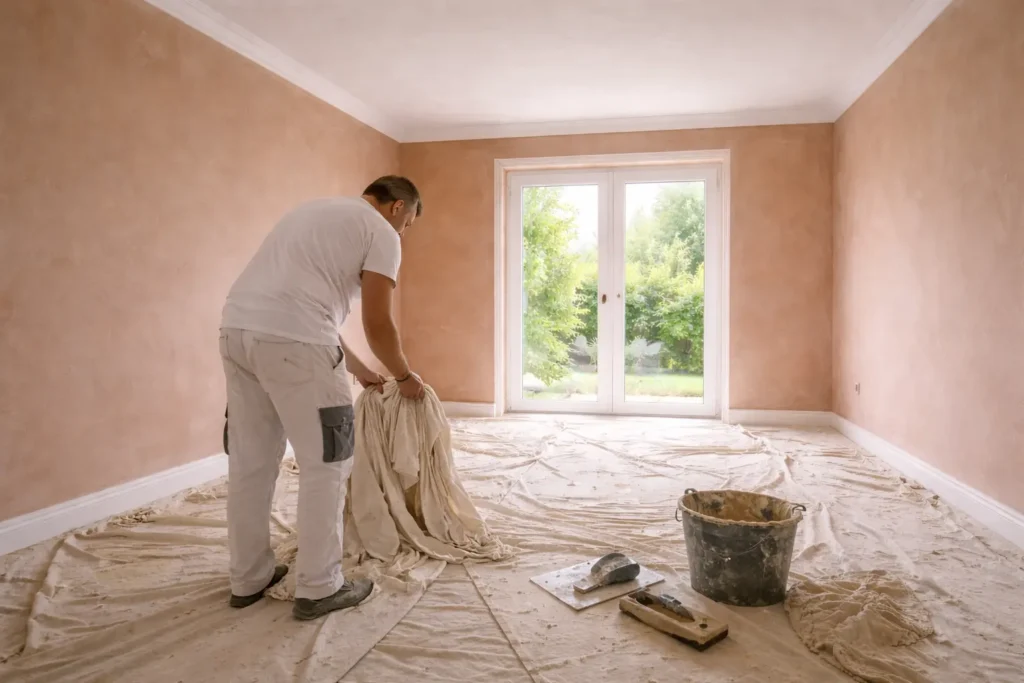
Professional finishing transforms new plasterboard into smooth, seamless surfaces ready for any decorative treatment. Extensions, loft conversions, and new builds need quality taping, jointing, and skimming to create walls that look right. Skilled plasterers ensure lasting results — no visible joints showing through, no cracking over time, just flawless finishes throughout.
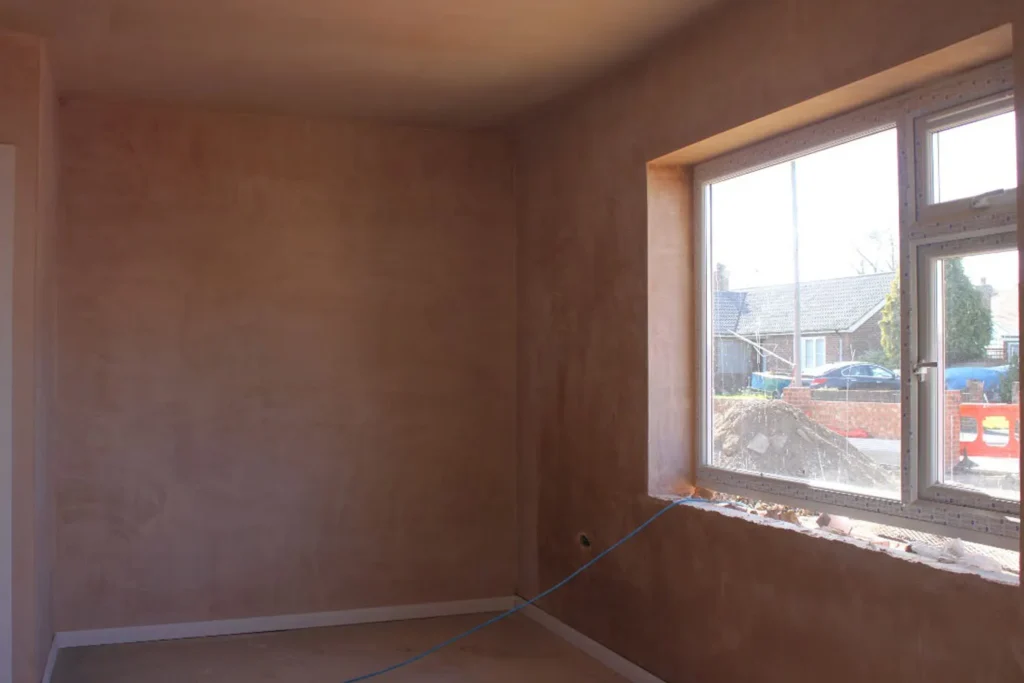
Complete room skimming unifies wall and ceiling finishes for consistent results throughout your spaces. When surfaces need full attention, professional re-plastering delivers smooth coverage everywhere — same quality walls and ceilings, seamless transitions, flawless finishing. Experienced tradesmen work systematically, transforming tired rooms into fresh, decoration-ready spaces.
Smooth walls aren’t luck — they’re preparation meeting technique meeting timing. Here’s what goes into our skimming across Queensbury.
Working across Queensbury for years means knowing property histories. The streets around Queensbury Tunnel flooded in ’97. The estate near Brighouse Road had cavity wall insulation problems. The houses toward Victoria Square suffer from condensation. History affects wall condition.
Board finishing for new builds, renovation re-skims on tired walls, insurance repairs blending into undamaged areas — the starting conditions vary enormously. Consistent Queensbury quality means adjusting approach while maintaining standards.
Housing across Queensbury consists largely of victorian terraces and stone housing with 2.4m to 2.7m (7.9ft – 8.9ft) ceilings. Specialising in this local stock builds practical expertise — understanding typical wall conditions, common issues, and effective solutions for these specific properties.
Enquiries reach the plasterer personally — not intermediaries booking jobs they don’t understand. You discuss surface conditions with someone who’s seen thousands of walls and knows which need stripping, which need bonding, and which just need keying.
First conversation gathers essentials — surface condition, work scope, access requirements, timing preferences. Assessment gets arranged for mutually suitable timing, allowing proper wall inspection and accurate quotation before any commitment.
Site visits involve systematic surface reading — checking soundness, testing absorption, identifying weak spots, noting previous repairs. Preparation needs get explained clearly. Pricing matches actual wall condition, not generic estimates.
Plastering happens systematically — correct preparation, even application, timely finishing. Work areas get protected properly, and thorough cleanup occurs after. Clear information covers drying periods, when to apply mist coats, and how soon decoration can follow.
Skimming jobs raise predictable questions — wall preparation, completion timelines, drying requirements. Here’s the honest information you need.
Room timing reflects preparation requirements more than square metreage. A bedroom with sound walls skims in a day. Add extensive prep, ceiling work, or surface problems, and timing extends. Assessment identifies what your walls actually need, allowing accurate scheduling.
Surface condition determines preparation requirements. Solid existing plaster that’s well-bonded can receive skim directly after keying. Blown areas, loose coats, or excessive thickness need stripping. Assessment identifies which walls need what — avoiding unnecessary work while ensuring proper preparation.
Skim finishing means thin coats — 2-3mm — applied to create smooth surfaces over existing plaster. Full plastering involves heavier work: base coats on brick, render layers, or building thickness where needed. Most domestic jobs involve skimming existing surfaces rather than complete replastering.
It depends on paint type and buildup. Thin matt emulsion can receive skim after surface keying. Heavy coatings, gloss finishes, or silk paint cause bonding failures — usually requiring stripping or adhesion agent application. Assessment identifies specific requirements.
Allow adequate drying time — 2-4 days for surface readiness, 2-3 weeks for complete curing. Apply mist coat first with diluted matt emulsion before proper painting. Rushing decoration causes paint failures on new plaster.
Fill out the form or call now to speak directly to the plasterer covering your area. No call centres, no delays – just clear answers and fast action.
Your details are safe – we only use them to respond to your enquiry
We cover skimming work across the complete Queensbury region. Tradesmen familiar with local properties — building eras, typical conditions, surface behaviours — delivering finishes that suit these walls.