
Walls ready for anything — paint, paper, whatever you’re planning. Quality skimming throughout Priestwood that starts with proper assessment and ends with surfaces that perform.
When you need professional skimming, the traditional platform route adds unnecessary steps. List the job, wait for responses, compare quotes, check reviews, make a decision — all while your walls sit there looking rough. Simpler is better.
We’ve simplified the whole process.
We keep skimming straightforward: one trusted tradesman covers Priestwood. Contact them directly when your walls need refinishing, and they’ll respond without the delays inherent in multi-quote platform systems.
Skimming work varies significantly depending on existing conditions. Sound plaster just needs re-coating, compromised areas need stripping back, and new boards need proper preparation — identifying the starting point ensures professional finishes.
See what we handle below and decide if we’re the right people for your job. If yes, contact us and we’ll get things moving. If no, that’s completely fine — thanks for checking.

Professional wall re-skimming solves surface problems that paint alone can’t fix. Rough textures, visible repairs, and uneven plaster need proper skim coating to create smooth, consistent walls. Skilled tradesmen assess conditions, prepare surfaces correctly, and apply quality finishes that hide imperfections completely — delivering walls ready for any decorative treatment you’re planning.
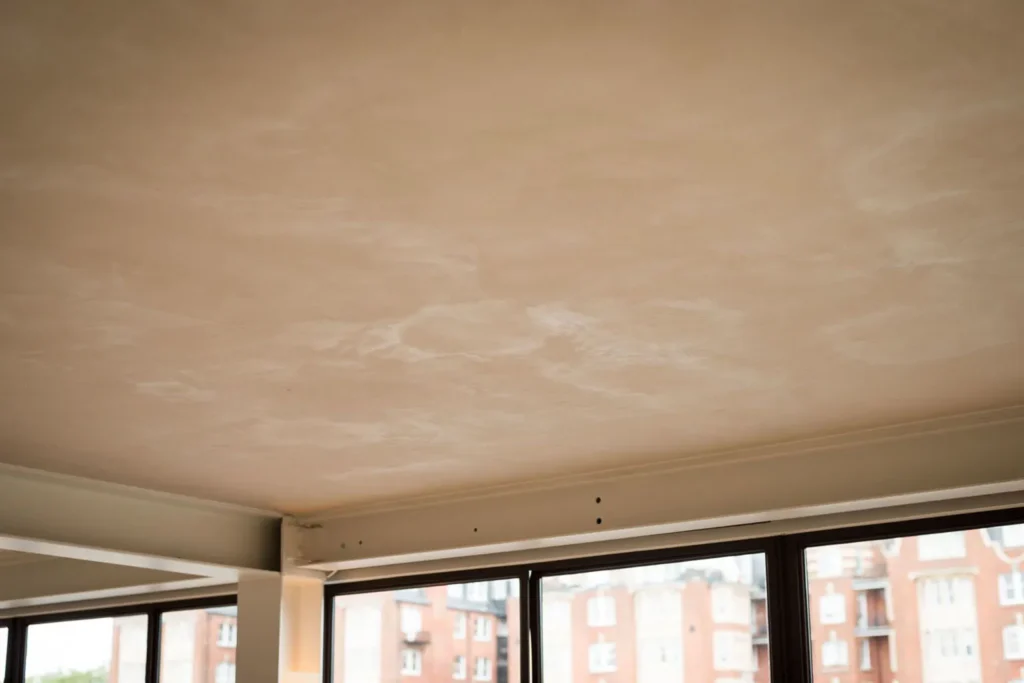
Ceiling skim plastering transforms overhead surfaces from dated eyesores into clean, modern finishes. Whether covering old Artex, repairing water damage, or refreshing tired plasterwork, professional skimming delivers flat ceilings throughout your home. Experienced tradesmen handle the demands of overhead work — proper preparation, consistent application, smooth finishing — for results that last.

Quality repair skimming makes wall damage disappear without extensive replastering. Localised problems — fixture marks, impact holes, cracked areas — respond to professional patching that blends seamlessly. Skilled plasterers prepare surfaces properly, match existing textures, and finish so repairs become completely invisible under any decoration.
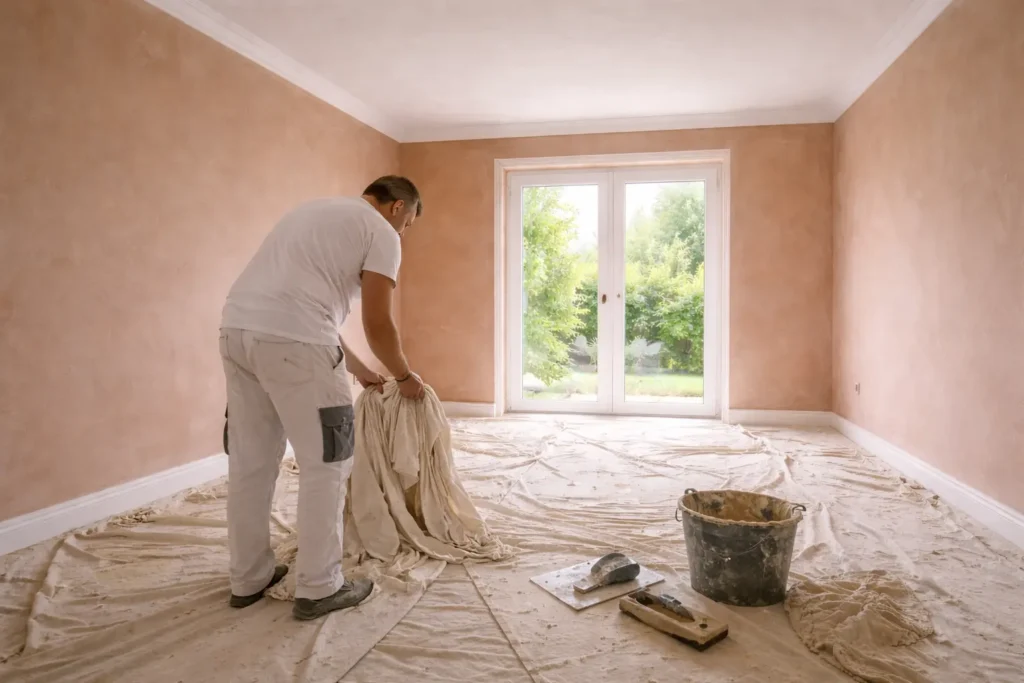
Finishing freshly boarded walls takes specialist skill that professional plasterers apply to extensions and conversions. Taped joints disappear beneath smooth skim coats, creating seamless surfaces ready for paint or paper. Quality preparation and application ensure lasting results — no visible joins, no corner cracking, just flawless finishes that make new spaces feel complete.
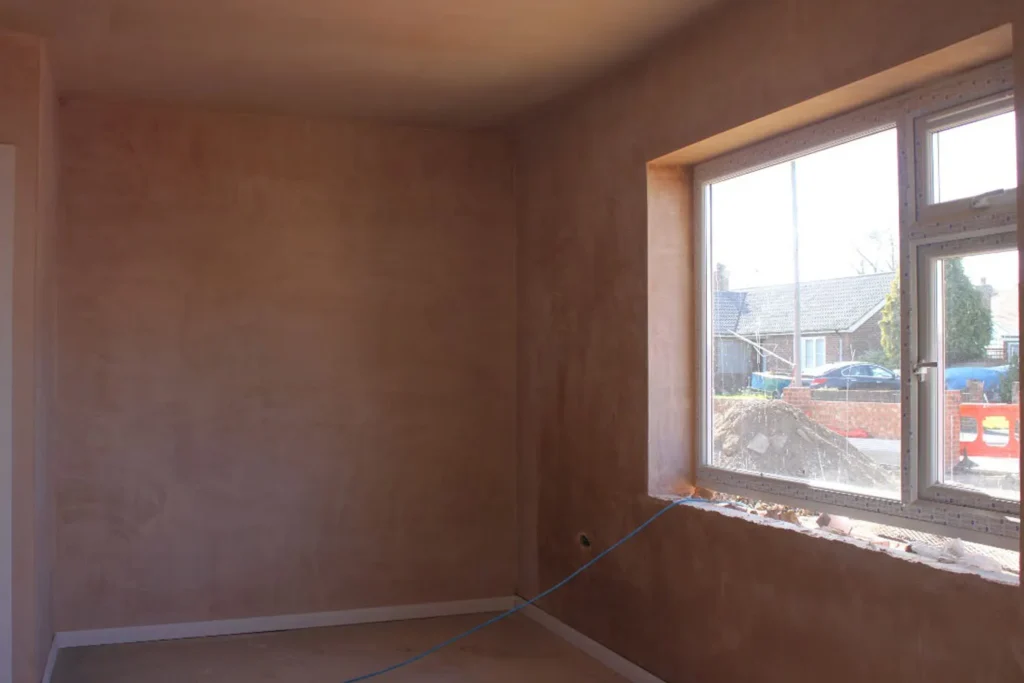
Complete room re-skimming delivers total transformation when walls and ceilings all need attention. Full coverage ensures consistent finishes throughout — no texture variations, no visible joins between old and new work. Experienced plasterers work systematically through each room, creating smooth surfaces that unify spaces and make decorating effortless.
Anyone can spread plaster — fewer can leave it properly flat. Here’s what separates our skimming work from average results across Priestwood.
Working across Priestwood for years means knowing property histories. The streets around Village Centre flooded in ’97. The estate near Terrace Road North had cavity wall insulation problems. The houses toward Rural Edge suffer from condensation. History affects wall condition.
Old lime plaster, modern gypsum, fresh plasterboard, patched areas mixing all three — each responds differently to skim coats. Experience across Priestwood properties means recognising what we’re working on and adjusting technique accordingly.
Properties throughout Priestwood are predominantly period cottages and modern estates, ceilings 2.5m to 2.7m (8.2ft – 8.9ft). Concentrated experience on this housing stock builds deep understanding — not textbook knowledge, but hands-on familiarity with how these specific walls behave.
Enquiries reach the plasterer personally — not intermediaries booking jobs they don’t understand. You discuss surface conditions with someone who’s seen thousands of walls and knows which need stripping, which need bonding, and which just need keying.
Discussion focuses on understanding your situation — what the walls look like now, what you want them to become, any previous plastering issues. Assessment gets arranged at suitable timing to check surfaces firsthand before quoting.
Wall inspection covers practical concerns — is the existing plaster sound, does suction vary, are there damp issues, what’s been done before. You’ll understand preparation requirements clearly. Pricing reflects real surface condition.
Work follows proper sequence — preparation, first coat, second coat, finishing. Dust sheets protect flooring and furniture throughout. Comprehensive cleanup follows completion. You’ll understand drying stages, mist coat requirements, and realistic timelines for decorating.
The usual skimming queries — how walls get prepared, how long it takes, when paint goes on. Straightforward answers, no jargon.
A typical room with reasonable walls takes around a day to complete. Surface condition affects timing more than room size — walls needing stripping, bonding, or extensive prep work add time. Ceiling skimming alongside walls adds half a day typically. Assessment provides accurate scheduling for your specific surfaces.
Existing surface quality determines preparation. Well-bonded plaster takes skim coats directly after keying. Problem areas — hollow sections, loose coats, thick buildup — need stripping first. Assessment reveals genuine requirements rather than guessing.
Skim finishing means thin coats — 2-3mm — applied to create smooth surfaces over existing plaster. Full plastering involves heavier work: base coats on brick, render layers, or building thickness where needed. Most domestic jobs involve skimming existing surfaces rather than complete replastering.
It depends on paint type and buildup. Thin matt emulsion can receive skim after surface keying. Heavy coatings, gloss finishes, or silk paint cause bonding failures — usually requiring stripping or adhesion agent application. Assessment identifies specific requirements.
Standard skimming needs 2-4 days surface drying in well-ventilated rooms, though complete cure takes weeks. Mist coat application first — diluted matt emulsion sealing porous new plaster. Then proper decoration. Rushing causes paint problems.
Fill out the form or call now to speak directly to the plasterer covering your area. No call centres, no delays – just clear answers and fast action.
Your details are safe – we only use them to respond to your enquiry
We handle skimming work across the whole of Priestwood. Plasterers familiar with local construction eras, typical wall conditions, and the preparation approaches that deliver smooth, lasting finishes on these specific properties.