
The finish shows the skill — and rushed work shows too. Quality skimming throughout Stanley from plasterers who understand preparation, timing, and what makes skim coats last.
Getting clean, smooth walls shouldn’t involve managing a procurement process. The big platforms turn simple skimming jobs into comparison exercises that waste your time. One phone call to a trusted tradesman gets better results faster.
There’s a clearer route to great finishes.
Stanley has one dedicated plasterer handling skimming. Direct contact means no delays — you speak to the tradesman who’ll assess your walls, provide honest pricing, and deliver professional results.
Professional plastering encompasses various skimming scenarios. Patch repairs blending into existing surfaces need precision, full re-skims need consistency, and each job benefits from understanding the surface conditions before work begins.
See if what we offer below matches the finish you’re looking for. If it does, contact us directly. If it doesn’t, no problem at all — appreciate you checking us out.

Smooth wall skimming transforms problem surfaces into professional-quality finishes ready for decoration. Cracks, bumps, old repairs, and textured plaster all disappear beneath expertly applied skim coats. Experienced plasterers prepare surfaces properly, work methodically through each wall, and deliver consistent results — flat, smooth finishes that make decorating effortless and results impressive.
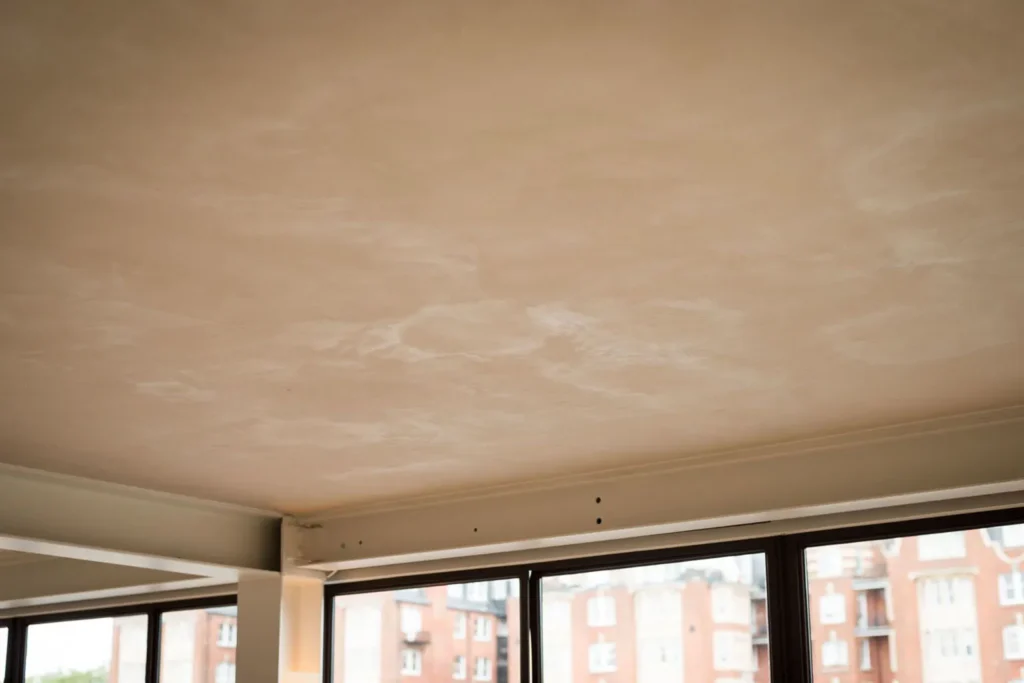
Quality ceiling re-skimming eliminates dated textures and creates fresh, smooth finishes throughout your property. Swirl patterns, stipple coatings, and damaged plaster respond to professional skimming that delivers flat overhead surfaces. Experienced plasterers handle ceiling work efficiently — proper technique, consistent results, lasting quality — rooms transformed by smooth, modern ceilings.

Professional patch skimming restores localised damage without full room replastering. Impact holes, cable chases, and cracked sections respond to targeted repairs that blend perfectly with surrounding plaster. Experienced tradesmen match textures and finishes exactly — patches that disappear completely and save the cost of larger-scale work.
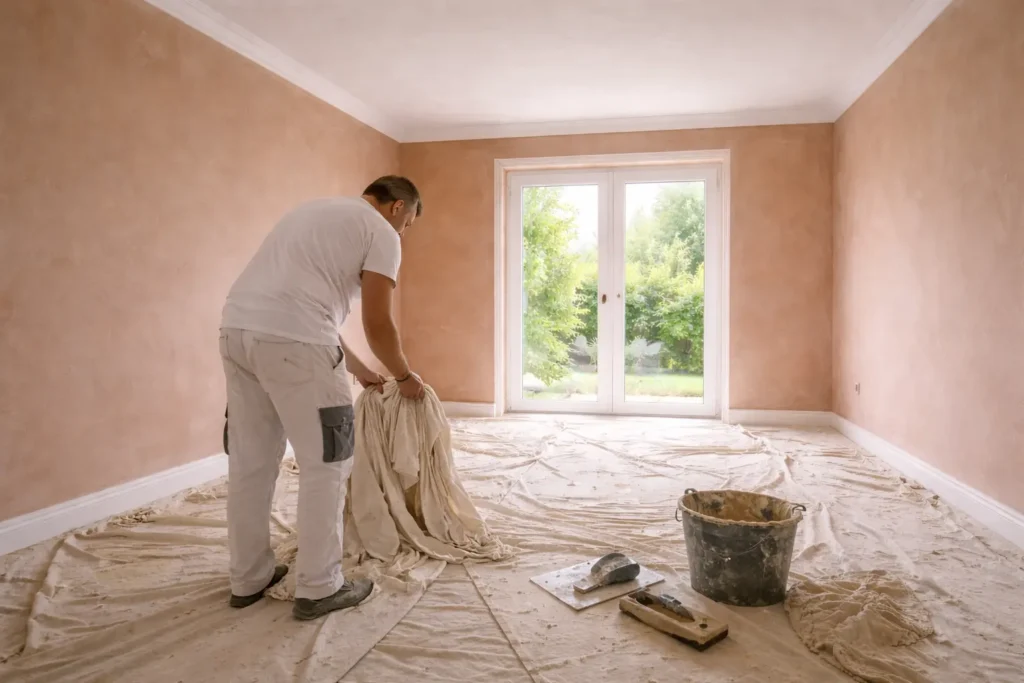
Plasterboard skim finishing creates seamless walls from newly installed boards in extensions and conversions. Professional taping hides joints completely, while quality skim coats deliver smooth surfaces ready for any decorative treatment. Experienced plasterers work methodically — proper preparation, consistent application, clean finishing — transforming raw construction into finished living spaces.
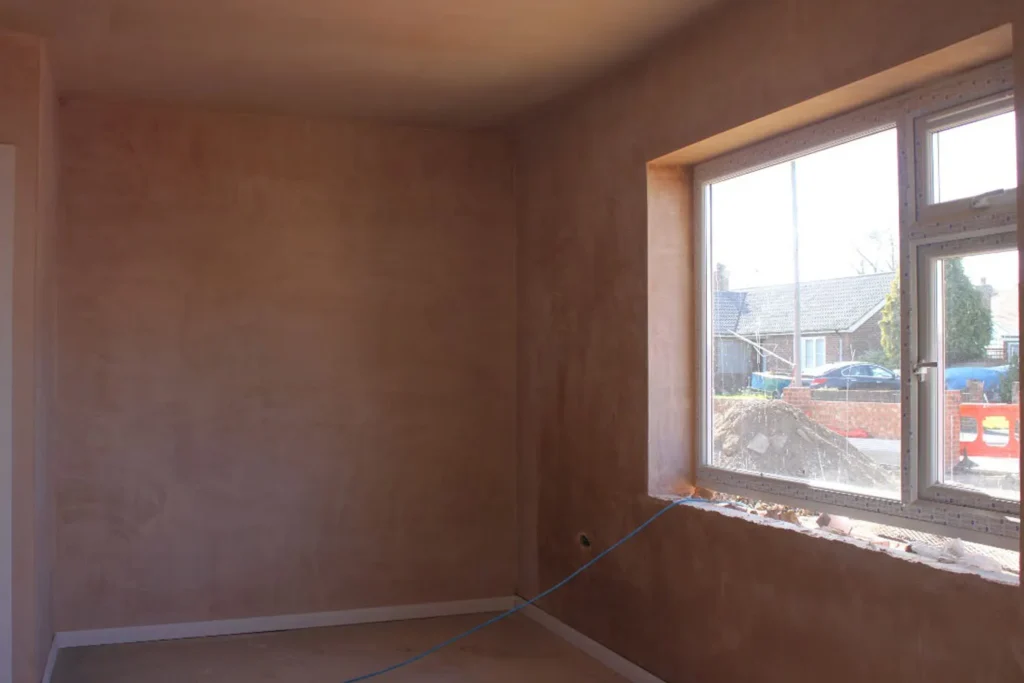
Complete room skimming unifies wall and ceiling finishes for consistent results throughout your spaces. When surfaces need full attention, professional re-plastering delivers smooth coverage everywhere — same quality walls and ceilings, seamless transitions, flawless finishing. Experienced tradesmen work systematically, transforming tired rooms into fresh, decoration-ready spaces.
Walls that look smooth wet can show every flaw once painted. Here’s how we ensure finishes stay flat under any light throughout Stanley.
Plastering from Gynn Square to Little Bispham and across to North Promenade for years teaches you what Stanley walls are actually made of. The Victorian terraces have lime underneath. The inter-war semis have hard pink gypsum. The estates have lightweight board. Each needs handling differently.
Re-skimming old walls, smoothing over textured ceilings, finishing new extension boards, blending repairs into existing surfaces — different starting points need different approaches. We assess properly before mixing any plaster, ensuring preparation matches what Stanley walls actually need.
Housing across Stanley consists largely of victorian villas and 1930s semi-detached with 2.4m to 2.7m (7.9ft – 8.9ft) ceilings. Specialising in this local stock builds practical expertise — understanding typical wall conditions, common issues, and effective solutions for these specific properties.
Your call reaches the plasterer who’ll actually skim your walls — not an office worker reading from a script. You discuss surface conditions, room layouts, and realistic timelines with someone who’s spent years reading walls and knows what questions matter.
First conversation gathers essentials — surface condition, work scope, access requirements, timing preferences. Assessment gets arranged for mutually suitable timing, allowing proper wall inspection and accurate quotation before any commitment.
On-site evaluation means hands-on wall assessment — tapping surfaces, testing adhesion, checking for damp, noting inconsistencies. The plasterer explains findings and preparation requirements. Pricing reflects genuine surface condition, not optimistic assumptions.
Work proceeds methodically — surface preparation, fresh plaster mixing, controlled application, skilled finishing. Dust sheets protect belongings throughout. Complete cleanup happens after. You’ll understand drying times, mist coat requirements, and decoration scheduling.
People booking skimming want practical details — what’s involved, how long it takes, what happens after. Straight answers here, kept simple.
Room skimming duration varies with size and surface condition. Average bedroom on decent walls completes in a day. Larger rooms, problematic surfaces, or ceiling work extends timing. Preparation requirements significantly affect duration — walls needing bonding or extensive repairs take longer than straightforward re-skims.
Stripping isn’t always necessary — wall condition dictates preparation. Sound plaster receives skim directly over existing surfaces. Hollow sections, loose coats, or thick buildup need removing first. Assessment reveals what your walls genuinely require.
Skimming applies thin finish coats over prepared surfaces — creating smooth walls from existing plaster. Plastering includes thicker applications like base coats on bare walls, rendering, or depth building. Typical home re-finishing means skimming over what’s there, not starting from scratch.
Paint type and thickness determine preparation. Matt emulsion over good plaster receives skim after proper keying. Gloss, silk, or heavy paint buildup causes bonding issues — typically requiring stripping or specialist treatment. Assessment reveals what your walls need.
Allow surfaces to dry properly before painting — 2-4 days minimum in ventilated rooms, though complete curing takes 2-3 weeks. Apply mist coat first with watered-down emulsion. Early decoration causes peeling and blistering issues.
Fill out the form or call now to speak directly to the plasterer covering your area. No call centres, no delays – just clear answers and fast action.
Your details are safe – we only use them to respond to your enquiry
Professional skimming operates throughout Stanley. Local knowledge of housing types, construction methods, and wall characteristics that determine preparation needs and finishing approaches.