
Walls that take paint properly start with proper skimming. Flat, smooth finishes across Poulton-le-Fylde — preparation done right, coats applied evenly, surfaces ready for whatever decoration you’re planning.
The standard approach of gathering multiple quotes creates more questions than answers. Different plasterers assess differently, price differently, and schedule differently. Working directly with one experienced professional gives you clarity from the start.
Getting walls skimmed shouldn’t be complicated.
One experienced plasterer covers skimming work across Poulton-le-Fylde. Direct contact eliminates platform delays — you speak to the tradesman who’ll actually transform your walls into smooth, paintable surfaces.
Skimming requirements vary between properties. Victorian solid walls behave differently than modern plasterboard, and each surface type needs appropriate preparation and application — recognising these differences ensures professional finishes throughout.
Check out the information below to see if we cover what you need. If it matches your situation, get in contact. If not, no worries at all — thanks for having a look.

Professional wall re-skimming solves surface problems that paint alone can’t fix. Rough textures, visible repairs, and uneven plaster need proper skim coating to create smooth, consistent walls. Skilled tradesmen assess conditions, prepare surfaces correctly, and apply quality finishes that hide imperfections completely — delivering walls ready for any decorative treatment you’re planning.
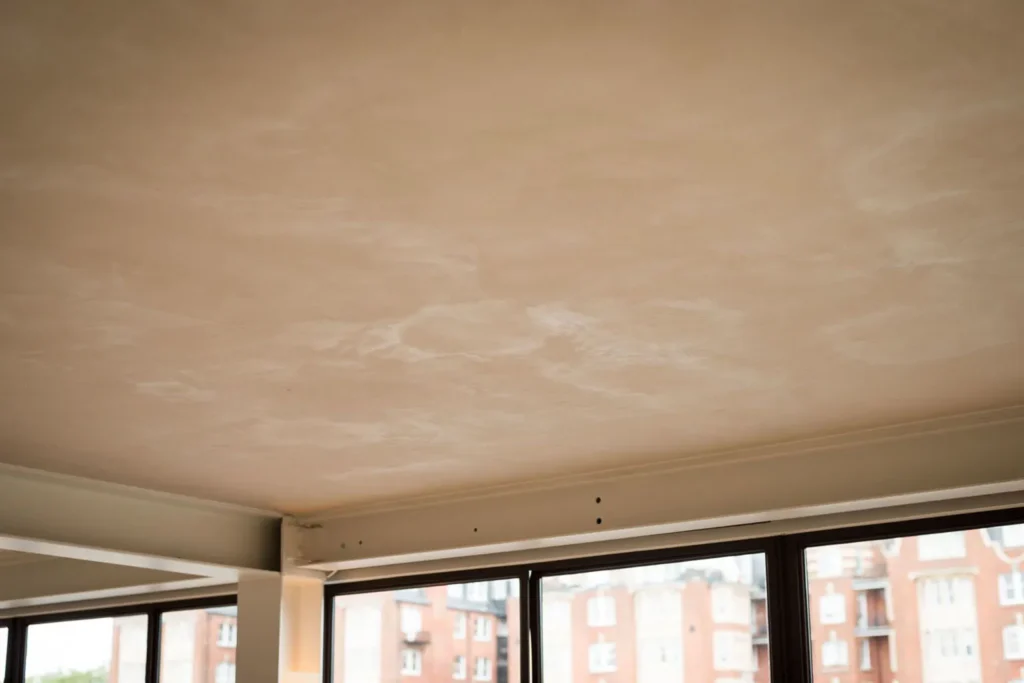
Smooth ceiling skimming removes the textures that date properties and complicate decorating. Stippled finishes, swirl patterns, and rough surfaces transform into flat, contemporary ceilings ready for paint. Professional plasterers work overhead efficiently — consistent coverage, no visible joins, clean finishing — delivering results that modernise rooms and last for years.

Seamless plaster patching fixes visible damage through skilled preparation and blending technique. Holes, dents, cracks, and damaged sections get properly filled and skim coated to match surrounding walls. Professional feathering ensures invisible edges — repairs that paint over perfectly without showing through any decorative finish.
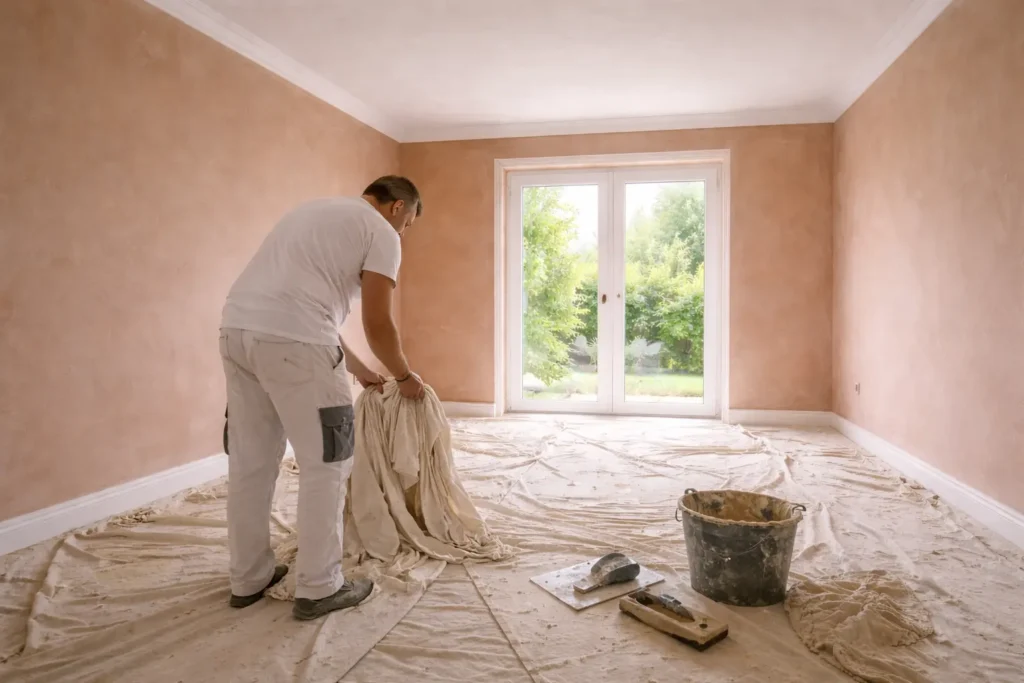
New extension finishing requires quality plastering that transforms raw plasterboard into smooth living spaces. Professional taping, jointing, and skim coating create seamless walls and ceilings throughout your project. Experienced tradesmen work systematically — proper joint preparation, consistent application, clean finishing — delivering results that complete your build to high standards.
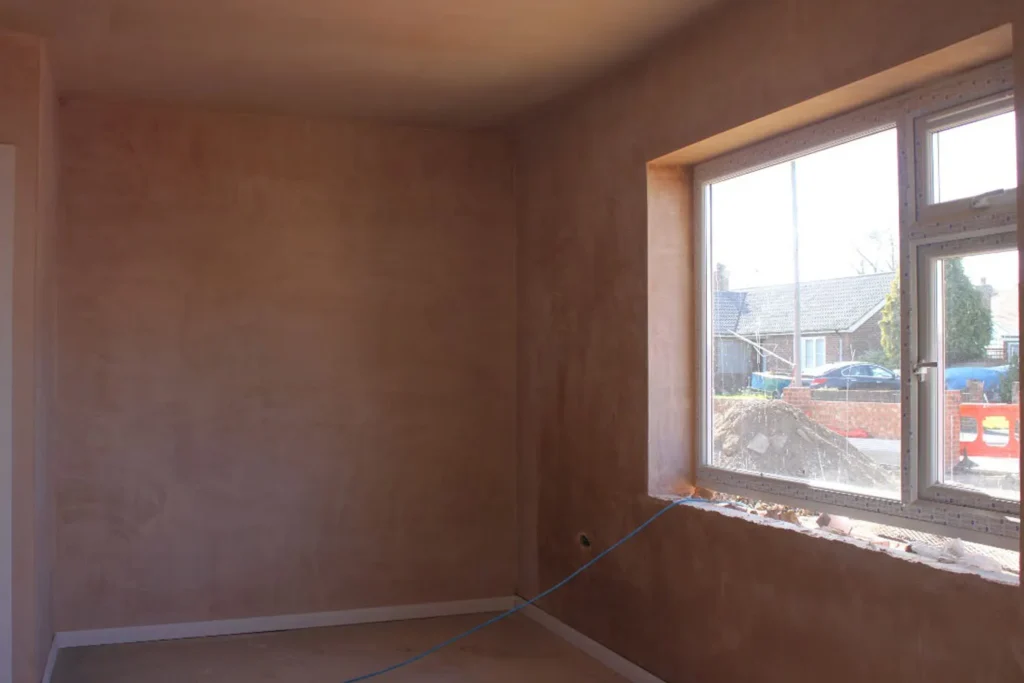
Full room skimming transforms entire spaces with consistent smooth finishes across all walls and ceilings. Complete re-plastering creates uniform surfaces throughout — no mismatched textures, no patchy areas, just seamless results from floor to ceiling. Professional plasterers work room by room, ensuring consistent coverage and quality finishing that makes decorating straightforward and results impressive.
Cheap skimming costs more when you’re repainting rippled walls a year later. Here’s the detail on our quality-first approach across Poulton-le-Fylde.
Plastering from St Annes Church to Hambleton Moss and across to River Wyre for years teaches you what Poulton-le-Fylde walls are actually made of. The Victorian terraces have lime underneath. The inter-war semis have hard pink gypsum. The estates have lightweight board. Each needs handling differently.
Re-skimming old walls, smoothing over textured ceilings, finishing new extension boards, blending repairs into existing surfaces — different starting points need different approaches. We assess properly before mixing any plaster, ensuring preparation matches what Poulton-le-Fylde walls actually need.
Locally bungalows and detached houses properties dominate Poulton-le-Fylde, generally 2.4m to 2.6m (7.9ft – 8.5ft) to the ceiling. Years skimming this specific housing builds instinct about wall behaviour, typical conditions, and preparation approaches that deliver lasting results.
Your call reaches the plasterer who’ll actually skim your walls — not an office worker reading from a script. You discuss surface conditions, room layouts, and realistic timelines with someone who’s spent years reading walls and knows what questions matter.
Conversation focuses on understanding the job — current surface state, scope of work, access considerations. Assessment gets booked at convenient timing to inspect walls thoroughly and provide clear, accurate pricing.
Wall inspection includes hands-on assessment — tapping hollow sections, testing suction, checking for blown areas, noting repair history. Preparation needs get explained simply. Pricing reflects genuine surface condition found on site.
Plastering gets completed properly — correct preparation, consistent application, careful finishing. Protection covers work areas throughout, and thorough tidying follows. Clear guidance covers drying stages, when emulsion misting should happen, and realistic decoration timelines.
The common skimming questions — how surfaces get prepared, how long jobs take, when painting can happen. Straight answers, kept simple.
Room skimming duration varies with size and surface condition. Average bedroom on decent walls completes in a day. Larger rooms, problematic surfaces, or ceiling work extends timing. Preparation requirements significantly affect duration — walls needing bonding or extensive repairs take longer than straightforward re-skims.
Not automatically — it depends what’s underneath. Good plaster that’s firmly attached just needs preparing and coating. Problem areas — hollow sections, loose coats, heavy buildup — need stripping. Assessment determines requirements for your specific walls.
Skimming means thin finish coats over prepared existing surfaces. Full plastering includes base coats on brick, render application, depth building. Typical home jobs involve re-skimming existing plaster rather than plastering from scratch — thinner applications, quicker completion.
It depends on paint type and buildup. Thin matt emulsion can receive skim after surface keying. Heavy coatings, gloss finishes, or silk paint cause bonding failures — usually requiring stripping or adhesion agent application. Assessment identifies specific requirements.
Allow 2-4 days minimum for surface drying in well-ventilated rooms, longer for complete curing. New plaster needs mist coat first — diluted matt emulsion seals the porous surface for proper paint adhesion. Rushing decoration risks peeling and blistering.
Fill out the form or call now to speak directly to the plasterer covering your area. No call centres, no delays – just clear answers and fast action.
Your details are safe – we only use them to respond to your enquiry
We cover skimming work across the complete Poulton-le-Fylde region. Tradesmen familiar with local properties — building eras, typical conditions, surface behaviours — delivering finishes that suit these walls.