
Quality shows through paint — flat walls or rippled, proper prep or rushed. Professional skimming across Greasby that delivers surfaces worth the decoration you’ll put on them.
Re-skimming a room should be straightforward, but the platform approach complicates everything. Post on Bark and suddenly you’re managing multiple quotes, juggling phone calls, and trying to work out who’s genuine. Direct contact with one trusted plasterer cuts through all that.
There’s a better way to find a plasterer.
Greasby has one reliable skimming specialist assigned. Your call or form reaches them directly — the same person who’ll survey your rooms and deliver flawless finishes without competitive quoting games.
Professional plastering encompasses various skimming scenarios. Patch repairs blending into existing surfaces need precision, full re-skims need consistency, and each job benefits from understanding the surface conditions before work begins.
See what we handle below and decide if we’re the right people for your job. If yes, contact us and we’ll get things moving. If no, that’s completely fine — thanks for checking.

Smooth wall skimming transforms problem surfaces into professional-quality finishes ready for decoration. Cracks, bumps, old repairs, and textured plaster all disappear beneath expertly applied skim coats. Experienced plasterers prepare surfaces properly, work methodically through each wall, and deliver consistent results — flat, smooth finishes that make decorating effortless and results impressive.
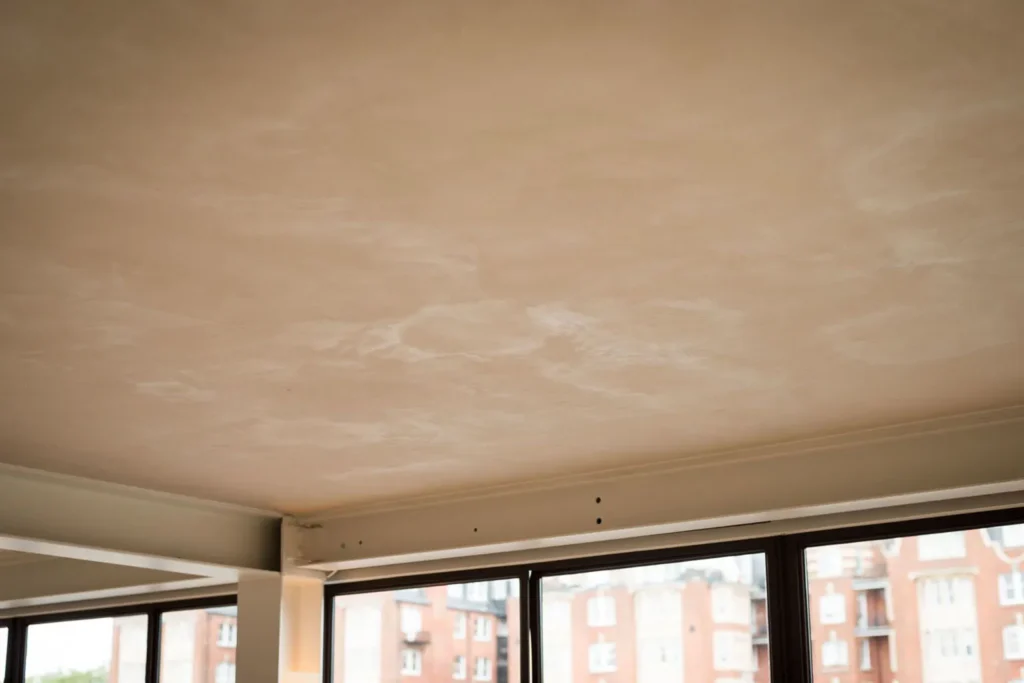
Ceiling skim coats create clean, modern overhead finishes that brighten rooms and update tired interiors. Old Artex, damaged plaster, and uneven surfaces vanish beneath professional skimming applied by experienced tradesmen. Quality preparation, skilled application, and attention to detail ensure ceilings that look right and stay smooth for years.

Professional patch skimming restores localised damage without full room replastering. Impact holes, cable chases, and cracked sections respond to targeted repairs that blend perfectly with surrounding plaster. Experienced tradesmen match textures and finishes exactly — patches that disappear completely and save the cost of larger-scale work.
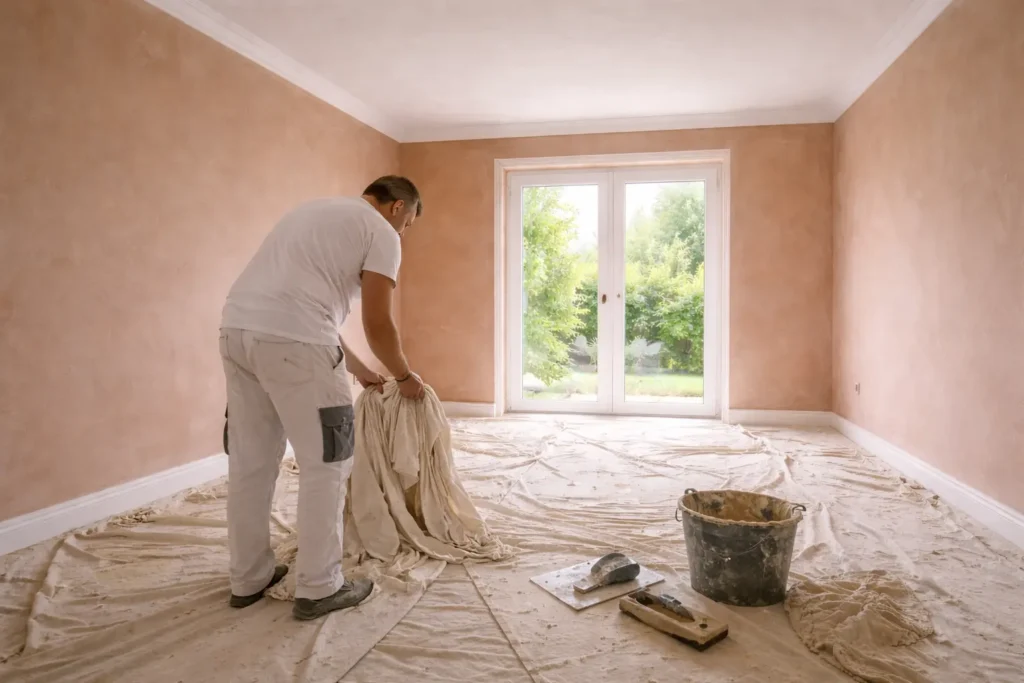
Plasterboard skim finishing creates seamless walls from newly installed boards in extensions and conversions. Professional taping hides joints completely, while quality skim coats deliver smooth surfaces ready for any decorative treatment. Experienced plasterers work methodically — proper preparation, consistent application, clean finishing — transforming raw construction into finished living spaces.
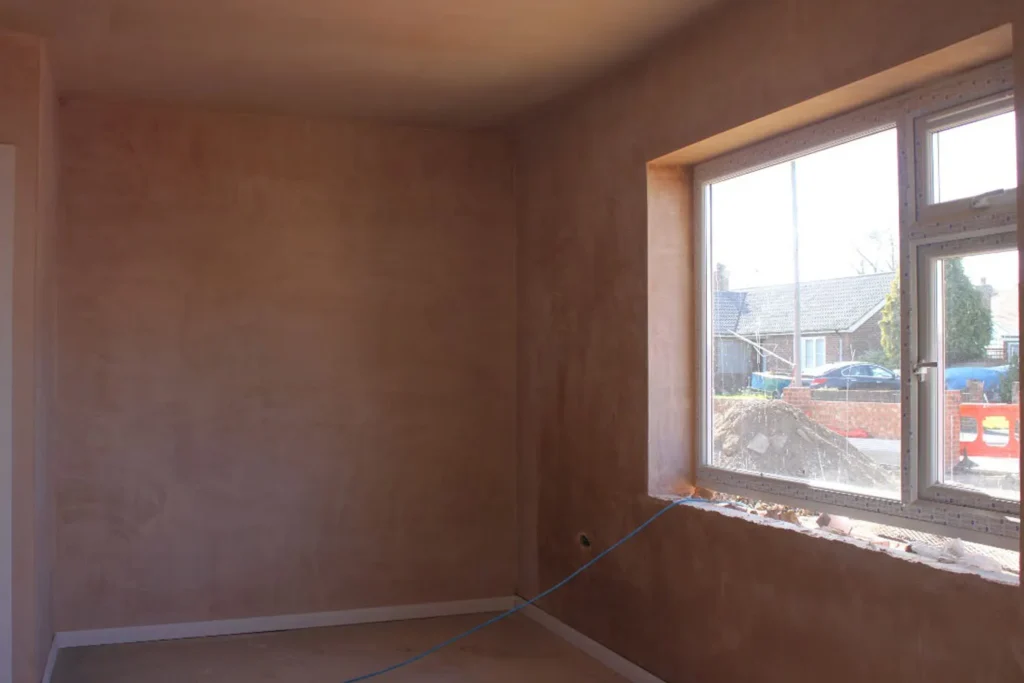
Full room re-plastering delivers complete makeovers with consistent smooth surfaces from floor to ceiling. When walls and ceilings all need work, comprehensive skimming ensures unified finishes throughout — same texture everywhere, seamless results, quality finishing. Skilled tradesmen transform entire rooms efficiently, creating spaces ready for any decorative treatment.
Flat ceilings show bad walls. Flat walls show bad ceilings. Here’s why we finish both to the same standard throughout Greasby.
Plastering from Landican Cemetery through Landican Lane to Landican countryside builds understanding of what Greasby walls actually contain. Old lime that’s gone powdery, hard gypsum that’s cracked with movement, board that’s absorbed moisture — recognising conditions fast comes from local repetition.
New plasterboard drinks moisture unevenly, old lime plaster grabs too fast, painted surfaces reject bonding — preparation solves each problem differently. Skimming success across Greasby starts with understanding what you’re coating.
For the most part detached farmhouses and modern houses make up most of Greasby, typically with 2.4m to 2.7m (7.9ft – 8.9ft) ceilings. Those building types share common features — similar construction eras, comparable materials, predictable issues. Understanding the patterns improves every job.
Your call goes straight to the local tradesman covering Greasby — someone who can discuss existing wall types, explain preparation options, and give honest expectations about what’s needed for smooth, lasting finishes.
Initial questions establish the scope — surface types, room count, known problems, finish expectations. The plasterer uses this to plan assessment requirements, then schedules a convenient visit to inspect walls properly and quote accurately.
Site visits involve genuine wall inspection — checking for blown plaster, assessing suction, noting previous repairs, identifying preparation requirements. You’ll understand what needs doing before skimming starts. Quotes reflect actual surface condition and realistic preparation time.
Plastering happens systematically — correct preparation, even application, timely finishing. Work areas get protected properly, and thorough cleanup occurs after. Clear information covers drying periods, when to apply mist coats, and how soon decoration can follow.
People booking skimming want practical details — what’s involved, how long it takes, what happens after. Straight answers here, kept simple.
Standard room skimming typically takes a day on reasonable surfaces. Problem walls needing serious preparation extend timing considerably. Ceiling inclusion adds hours. Surface condition varies hugely between properties — assessment provides accurate scheduling for your specific walls.
Existing surface quality determines preparation. Well-bonded plaster takes skim coats directly after keying. Problem areas — hollow sections, loose coats, thick buildup — need stripping first. Assessment reveals genuine requirements rather than guessing.
Skim coats are thin finish layers — 2-3mm typically — applied over existing surfaces to create smooth walls. Plastering covers heavier applications including base coats on masonry, render work, or building depth. Most domestic work involves skimming existing plaster rather than full replastering.
It depends on paint type and buildup. Thin matt emulsion can receive skim after surface keying. Heavy coatings, gloss finishes, or silk paint cause bonding failures — usually requiring stripping or adhesion agent application. Assessment identifies specific requirements.
New plaster requires proper drying — typically 2-4 days minimum, longer for full curing. Mist coat first using watered-down emulsion to seal surfaces correctly. Decorating too early risks adhesion failures, peeling, and blistering.
Fill out the form or call now to speak directly to the plasterer covering your area. No call centres, no delays – just clear answers and fast action.
Your details are safe – we only use them to respond to your enquiry
Skimming covers all areas across Greasby. Plasterers who know local walls properly — Victorian lime through to modern board — and what preparation each surface type actually needs.