
Flat, smooth, ready to decorate — that’s what proper skimming delivers. Quality finishes across Suffolk from plasterers who understand surfaces and take preparation seriously.
The quote-comparison approach works in theory but creates headaches in practice. Three plasterers, three prices, three availability windows — and you’re still not sure who’ll do the best job. Direct access to one reliable professional solves that.
We’ve taken a simpler route.
One reliable plasterer handles skimming across Suffolk. Your call or form goes straight to the person who’ll actually do the work at your home — no intermediaries, no quote comparisons, just direct professional contact.
Wall skim plastering creates the blank canvas every decorator dreams of. Lumpy, bumpy, or damaged walls get transformed into perfectly flat surfaces ready for any finish. Professional plasterers assess existing conditions, prepare surfaces correctly, and apply smooth skim coats that hide imperfections completely — delivering the quality foundation that makes decorating straightforward and results impressive.
Have a look below at what’s included in our skimming service. If it covers your situation, get in touch and we’ll respond fast. If not, that’s absolutely fine — thanks for your time.

Professional wall plastering delivers smooth, lasting finishes that transform your living spaces. Rough or damaged surfaces get properly prepared and coated with quality skim plaster, creating flat walls ready for any decorative treatment. Attention to detail around light switches, corners, and edges ensures professional results throughout — surfaces that look right and perform well for years.
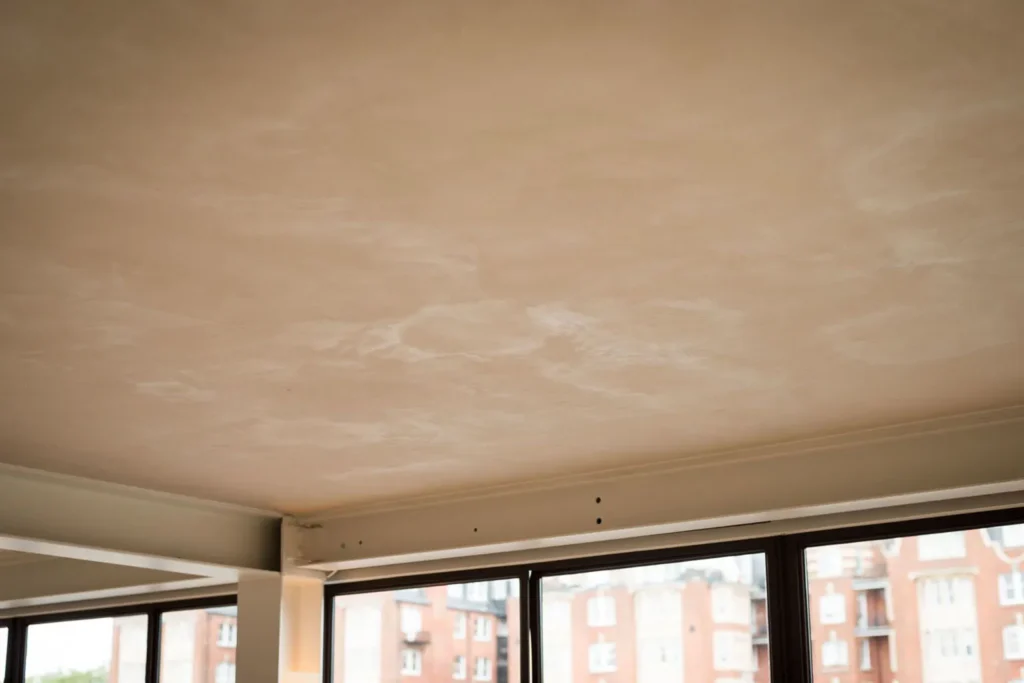
Ceiling skim coats create clean, modern overhead finishes that brighten rooms and update tired interiors. Old Artex, damaged plaster, and uneven surfaces vanish beneath professional skimming applied by experienced tradesmen. Quality preparation, skilled application, and attention to detail ensure ceilings that look right and stay smooth for years.

Patch repair skimming blends seamlessly into existing surfaces, making damage invisible without re-plastering entire walls. Holes, cracks, dents, and damaged sections get properly filled, keyed, and skim coated to match surrounding plaster exactly. Skilled plasterers feather edges, match textures, and finish patches so they disappear completely — repairs that stay hidden under any decorative finish you apply.
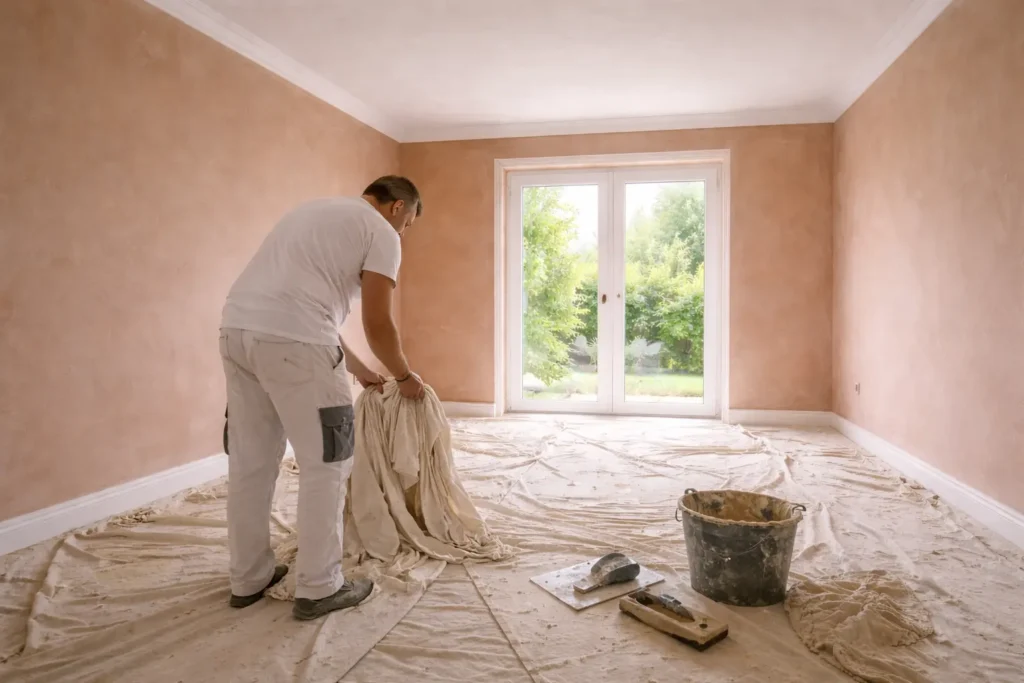
Plasterboard skim finishing delivers new-build quality on extension walls, conversion ceilings, and renovation projects. Professional joint treatment and smooth skim coats create seamless surfaces that transform raw construction into finished living spaces. Quality workmanship ensures lasting results — walls ready for decoration and built to stay that way.
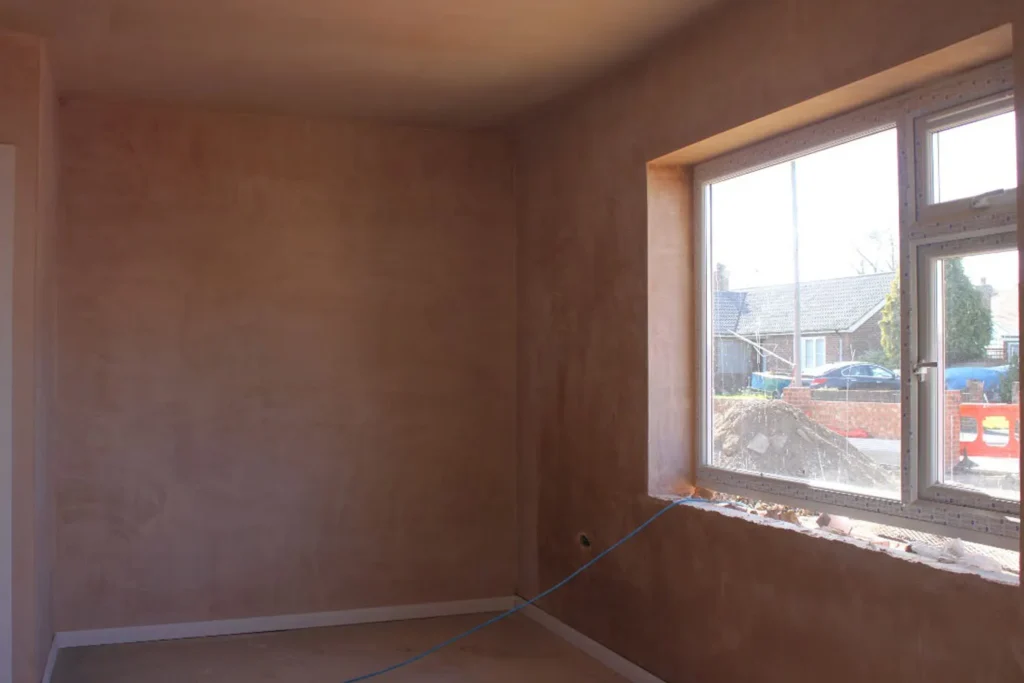
Full room skimming transforms entire spaces with consistent smooth finishes across all walls and ceilings. Complete re-plastering creates uniform surfaces throughout — no mismatched textures, no patchy areas, just seamless results from floor to ceiling. Professional plasterers work room by room, ensuring consistent coverage and quality finishing that makes decorating straightforward and results impressive.
Two plasterers can quote the same job — one leaves glass, the other leaves waves. Here’s what drives the difference in our work throughout Suffolk.
Plastering from Finaghy Crossroads to St Johns Church Finaghy and across to Finaghy Park for years teaches you what Suffolk walls are actually made of. The Victorian terraces have lime underneath. The inter-war semis have hard pink gypsum. The estates have lightweight board. Each needs handling differently.
Some walls need PVA, some need bonding, some just need a wipe down. Ceilings that look sound can be ready to delaminate. We check everything first across Suffolk — proper assessment prevents the callbacks that rushed preparation causes.
Suffolk properties feature mainly 1930s semis and 1950s bungalows, ceilings around 2.5m to 2.7m (8.2ft – 8.9ft). That housing consistency means we’ve solved the same problems repeatedly — knowledge that transfers directly to your walls.
Your call reaches the plasterer who’ll actually skim your walls — not an office worker reading from a script. You discuss surface conditions, room layouts, and realistic timelines with someone who’s spent years reading walls and knows what questions matter.
Initial chat covers what you’re dealing with — wall condition, finish requirements, known issues. The plasterer uses this to understand scope, then arranges assessment at convenient timing for thorough surface evaluation and detailed pricing.
Wall inspection covers everything relevant — structural soundness, surface adhesion, previous repair quality, moisture levels. The plasterer explains preparation needs in plain terms. Pricing reflects what your walls actually require, not generic per-metre rates.
Work happens methodically — proper preparation, controlled application, careful finishing while the plaster’s still workable. Dust sheets protect your belongings, and complete cleanup follows. You’ll know exact drying times, when emulsion misting should happen, and how soon proper decoration can start.
People booking skimming want practical details — what’s involved, how long it takes, what happens after. Straight answers here, kept simple.
A typical bedroom skims in a day when walls cooperate. Surface problems — blown plaster, poor adhesion, previous bodge jobs — extend timelines significantly. Ceiling work adds roughly half a day. You’ll get accurate timing once walls have been properly assessed.
Some do, some don’t — existing condition decides. Sound plaster gets keyed and skimmed over. Hollow-sounding blown areas need removing. Multiple heavy coats might require stripping back. Assessment reveals what preparation your surfaces genuinely require.
Skimming applies thin finish layers over prepared surfaces — creating smooth walls from existing plaster. Full plastering includes base coat application on masonry, rendering, or building thickness. Typical home re-finishing means skim coats over what exists already.
Paint type and thickness determine preparation. Matt emulsion over good plaster receives skim after proper keying. Gloss, silk, or heavy paint buildup causes bonding issues — typically requiring stripping or specialist treatment. Assessment reveals what your walls need.
Standard skimming needs 2-4 days surface drying in well-ventilated rooms, though complete cure takes weeks. Mist coat application first — diluted matt emulsion sealing porous new plaster. Then proper decoration. Rushing causes paint problems.
Fill out the form or call now to speak directly to the plasterer covering your area. No call centres, no delays – just clear answers and fast action.
Your details are safe – we only use them to respond to your enquiry
Skimming covers all areas across Suffolk. Plasterers who know local walls properly — Victorian lime through to modern board — and what preparation each surface type actually needs.