
Rough walls transformed into smooth, paintable surfaces. Proper skimming throughout Stormont — surfaces assessed correctly, prepared thoroughly, finished to standards that show under any light.
The multi-quote model treats skimming like a commodity when it’s actually craftsmanship. Price comparison ignores skill differences that show up in the finish. Direct contact with a quality-focused plasterer gets better walls, not just cheaper quotes.
Professional skimming works differently here.
One reliable plasterer handles skimming across Stormont. Your call or form goes straight to the person who’ll actually do the work at your home — no intermediaries, no quote comparisons, just direct professional contact.
Skimming requirements vary between properties. Victorian solid walls behave differently than modern plasterboard, and each surface type needs appropriate preparation and application — recognising these differences ensures professional finishes throughout.
See what we handle below and decide if we’re the right people for your job. If yes, contact us and we’ll get things moving. If no, that’s completely fine — thanks for checking.

Flawless wall finishes require professional skimming from tradesmen who understand surface preparation and application technique. Rough walls, patchy repairs, and textured surfaces transform into smooth canvases ready for paint or paper. Quality materials, proper preparation, and skilled application combine to create lasting results — walls that stay flat, take decoration evenly, and look professionally finished.
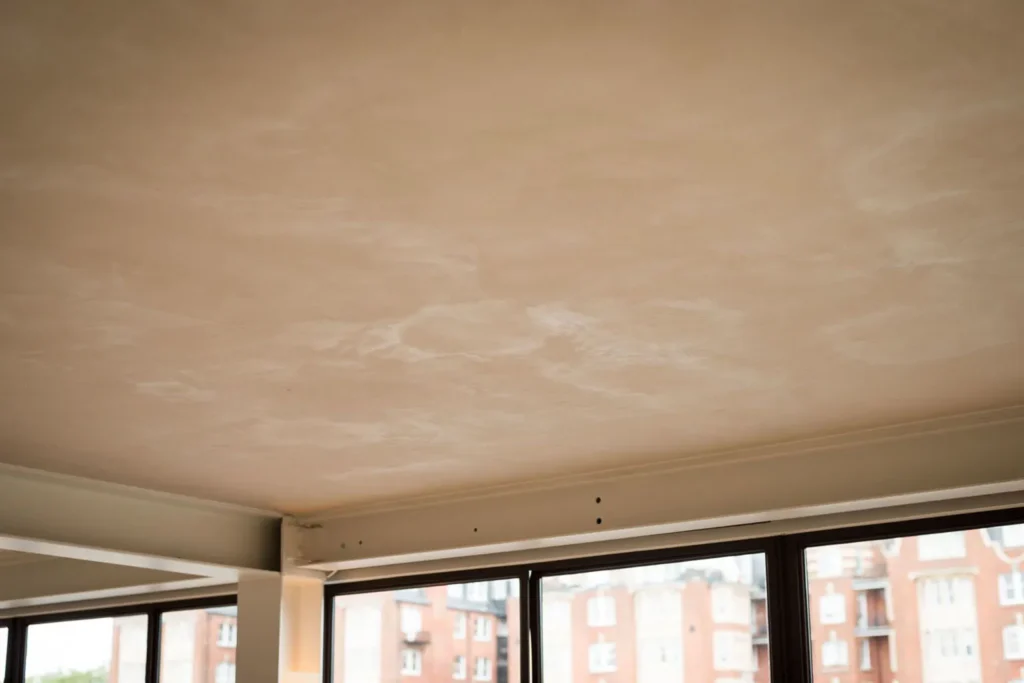
Re-skimming ceilings eliminates textured patterns that date properties and make decorating difficult. Stipple, swirl, bark, and other Artex finishes vanish beneath professional skim coats, leaving smooth surfaces ready for paint. Skilled ceiling work requires experience — working overhead, managing drying times, avoiding joins — delivering flat finishes that transform room appearances.

Seamless plaster repairs require skilled blending technique that makes patches invisible on finished walls. Damage from removed fittings, accidental impacts, and minor cracking gets properly prepared and skim coated to match existing surfaces. Professional plasterers understand feathering, texture matching, and finishing — delivering repairs that disappear completely under paint or wallpaper.
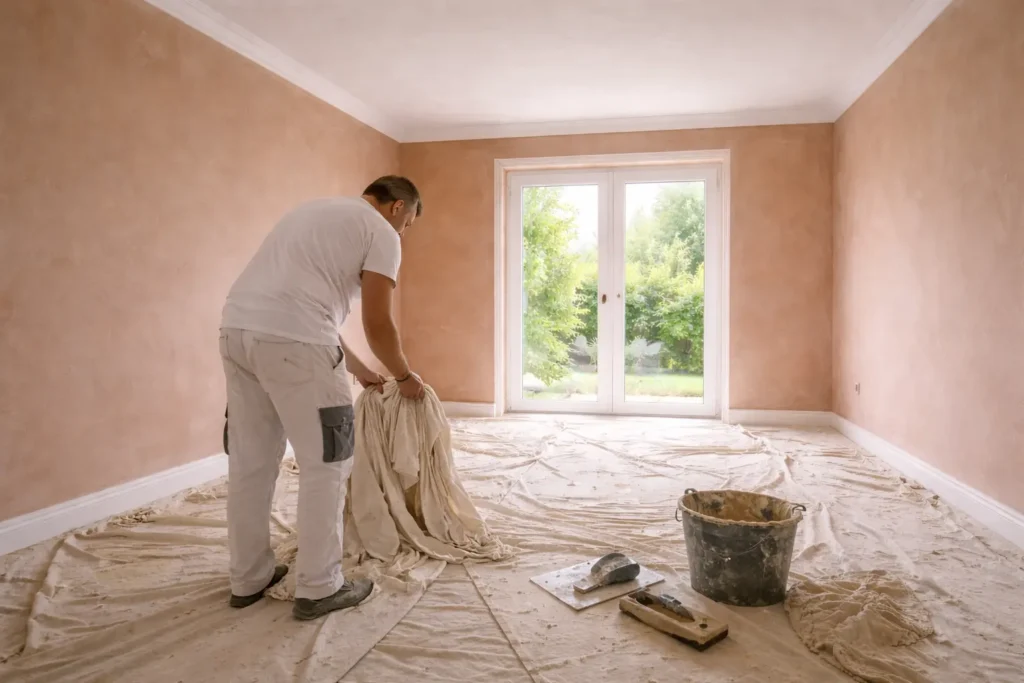
Professional finishing transforms new plasterboard into smooth, seamless surfaces ready for any decorative treatment. Extensions, loft conversions, and new builds need quality taping, jointing, and skimming to create walls that look right. Skilled plasterers ensure lasting results — no visible joints showing through, no cracking over time, just flawless finishes throughout.
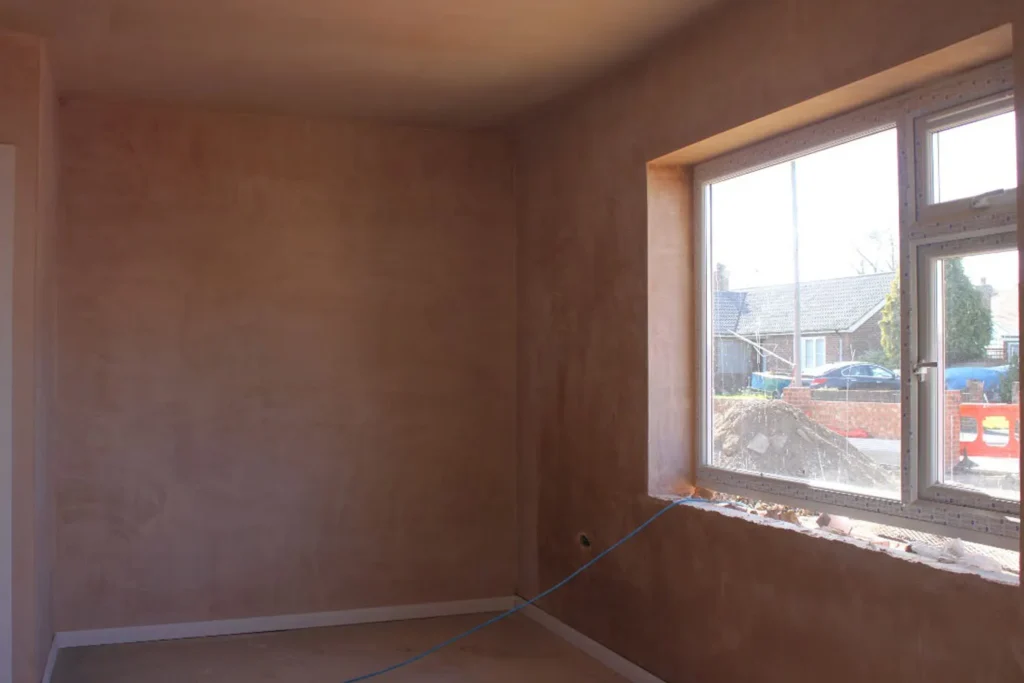
Complete room re-skimming transforms tired spaces with consistent professional finishes throughout. Walls and ceilings receive full attention — unified textures, even coverage, seamless quality everywhere. Experienced plasterers work efficiently through whole rooms, creating smooth surfaces that make spaces feel fresh and decorating straightforward.
Good preparation makes good finishes possible. Here’s how we approach every skimming job throughout Stormont — from first assessment to final polish.
From Parliament Buildings to Stormont Estate and out to Prince of Wales Avenue, we’ve worked on Stormont’s full housing range. That teaches you what preparation to expect before arriving — which areas have solid walls, where to expect blown plaster, what the original builders used.
Victorian solid walls with three previous skim coats, 1970s Artex hiding who-knows-what, plasterboard fitted yesterday — all need different approaches. Assessment across Stormont determines preparation, preparation determines finish quality.
executive detached homes and inter-war villas dominate Stormont, usually 2.6m-3.0m to the ceiling. These property types have predictable quirks — common damp spots, typical movement cracks, characteristic construction methods. Knowing them speeds every stage from quote to finish.
Your enquiry connects directly to the plasterer serving Stormont — someone who can discuss surface conditions knowledgeably and explain why some walls need more preparation than others. Real trade conversation from the first contact.
Discussion establishes what you’re working with — existing surface types, room sizes, any issues you’ve noticed. Based on initial information, a site visit gets scheduled to assess walls properly, identify preparation needs, and provide accurate pricing.
On-site assessment covers thorough wall checking — structural soundness, surface adhesion, absorption rates, damp indicators. You’ll understand what preparation’s needed before skimming begins. Clear quotes follow actual site evaluation.
Jobs get completed methodically — preparation stages, plaster application, finishing work. Dust sheets protect surroundings throughout. Thorough cleanup happens after. You receive specific advice about drying periods, emulsion misting, and when surfaces are ready for decorating.
The common skimming questions — how surfaces get prepared, how long jobs take, when painting can happen. Straight answers, kept simple.
Timing depends on room size, surface condition, and preparation needs. A standard bedroom with sound walls typically takes one day — preparation morning, first coat midday, second coat afternoon. Rooms needing extensive prep work or multiple problem areas take longer. Ceilings add time. You’ll get accurate duration estimates after wall assessment.
Surface condition governs preparation requirements. Well-bonded existing plaster takes skim coats directly. Blown sections need removal. Thick previous coats sometimes require stripping. Assessment identifies what your walls actually need rather than assuming worst-case scenarios.
Skimming applies thin finish layers over prepared surfaces — creating smooth walls from existing plaster. Full plastering includes base coat application on masonry, rendering, or building thickness. Typical home re-finishing means skim coats over what exists already.
Paint condition affects preparation significantly. Matt emulsion over good plaster takes skim after proper keying. Gloss finishes, silk coatings, or thick paint layers prevent adequate adhesion — typically requiring removal or bonding treatment. Assessment determines your needs.
Allow 2-4 days minimum for surface drying in well-ventilated rooms, longer for complete curing. New plaster needs mist coat first — diluted matt emulsion seals the porous surface for proper paint adhesion. Rushing decoration risks peeling and blistering.
Fill out the form or call now to speak directly to the plasterer covering your area. No call centres, no delays – just clear answers and fast action.
Your details are safe – we only use them to respond to your enquiry
Services extend throughout Stormont for quality plastering. Local understanding of housing stock, original construction types, and preparation methods that achieve smooth, lasting finishes.