
Walls that take paint properly start with proper skimming. Flat, smooth finishes across Ravenhill — preparation done right, coats applied evenly, surfaces ready for whatever decoration you’re planning.
When you need professional skimming, the traditional platform route adds unnecessary steps. List the job, wait for responses, compare quotes, check reviews, make a decision — all while your walls sit there looking rough. Simpler is better.
Our approach is more straightforward.
We assign one reliable skimming specialist to Ravenhill. Contact goes directly to them — no middlemen, no quoting competitions. Just the person who’ll attend your property and deliver professional skim coats.
Skim coat plastering suits different purposes. Finishing new extensions differs from refreshing tired rooms, and each situation needs its own preparation approach — identifying what’s required ensures smooth, durable surfaces ready for decoration.
See if what we offer below matches the finish you’re looking for. If it does, contact us directly. If it doesn’t, no problem at all — appreciate you checking us out.

Professional wall skimming delivers the smooth finish that transforms how rooms look and feel. Rough plaster, textured surfaces, and patchy walls disappear beneath expertly applied skim coats, creating perfect bases for paint or wallpaper. Experienced plasterers prepare surfaces properly, apply consistent coverage, and finish to high standards — leaving walls flat, smooth, and ready for whatever decorative finish you choose.
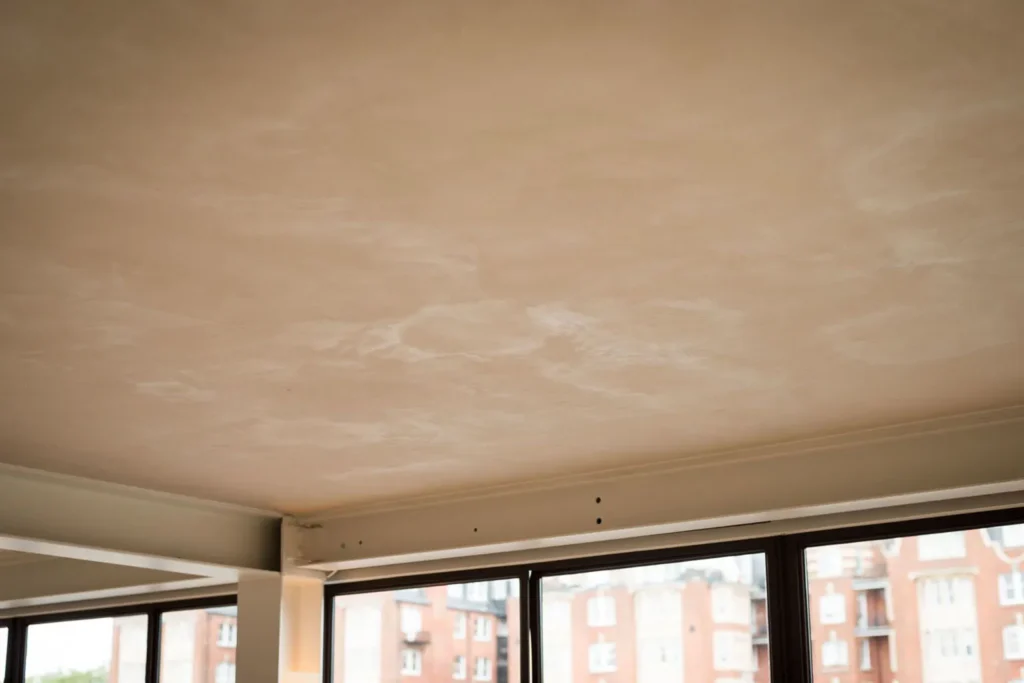
Quality ceiling re-skimming eliminates dated textures and creates fresh, smooth finishes throughout your property. Swirl patterns, stipple coatings, and damaged plaster respond to professional skimming that delivers flat overhead surfaces. Experienced plasterers handle ceiling work efficiently — proper technique, consistent results, lasting quality — rooms transformed by smooth, modern ceilings.

Repair skimming handles localised wall damage efficiently without requiring full room re-plastering. Holes from shelving, cracks from movement, and damage from removed tiles all respond to professional patching that blends seamlessly. Skilled tradesmen prepare surfaces properly, apply skim coats that match, and finish so repairs become invisible — targeted fixes that save time and money.
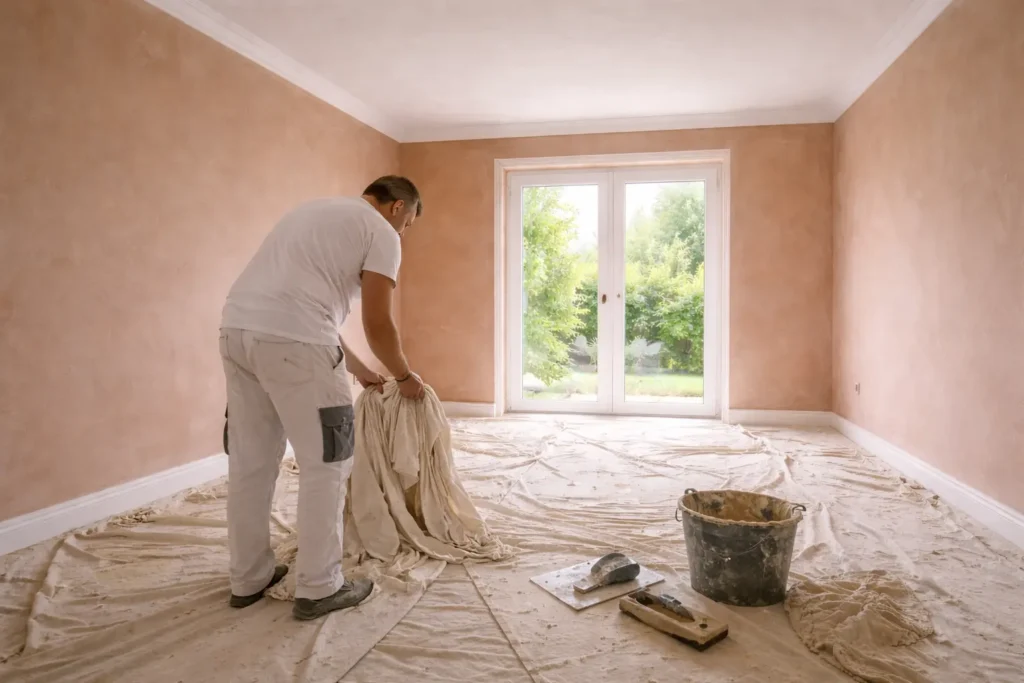
Plasterboard skim finishing creates seamless walls from newly installed boards in extensions and conversions. Professional taping hides joints completely, while quality skim coats deliver smooth surfaces ready for any decorative treatment. Experienced plasterers work methodically — proper preparation, consistent application, clean finishing — transforming raw construction into finished living spaces.
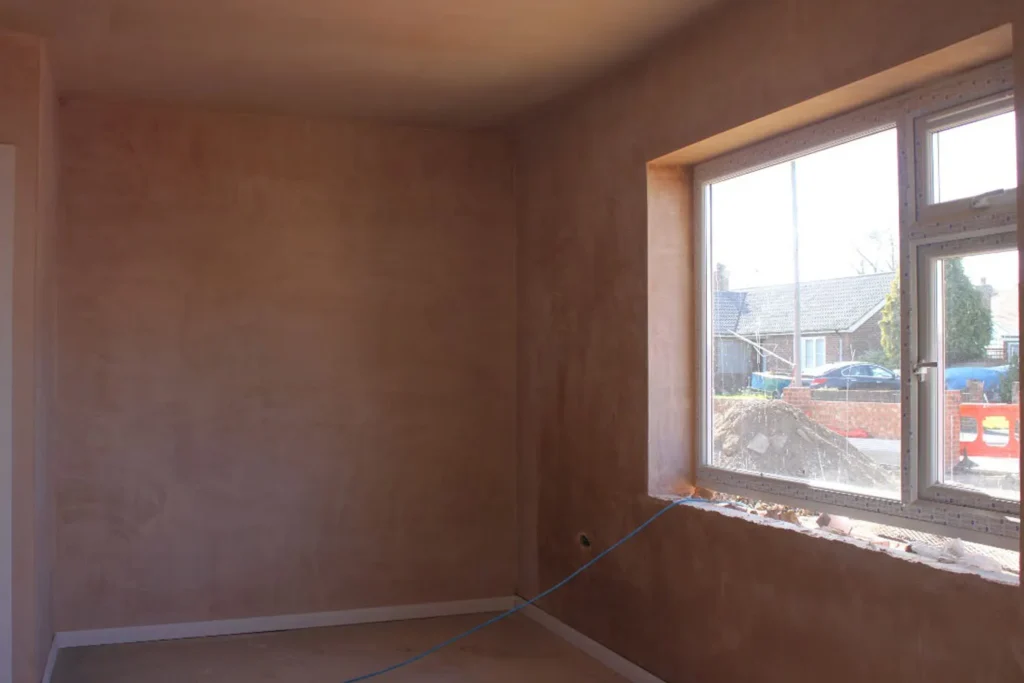
Full room plastering unifies surfaces with consistent smooth finishes across walls and ceilings together. Comprehensive re-skimming eliminates texture variations and patchy areas — delivering seamless results throughout. Skilled tradesmen work room by room, ensuring even quality and professional finishing that transforms spaces completely.
The trowel marks that disappear wet can reappear under paint. Here’s why our finishing technique creates surfaces that stay flat across Ravenhill.
From solid walls near Cregagh Estate to cavity construction around Cregagh Road and board systems toward Cregagh Primary School, we’ve worked on Ravenhill’s full housing spectrum. That experience builds preparation instincts that speed assessment and prevent mistakes.
Single feature walls, whole room transformations, awkward ceiling repairs, invisible patch blending — each job type brings its own challenges. Consistent quality across Ravenhill comes from adapting methods to match conditions, not applying the same approach everywhere.
Ravenhill properties feature mainly inter-war semis and 1950s estates, ceilings around 2.4m-2.6m. That housing consistency means we’ve solved the same problems repeatedly — knowledge that transfers directly to your walls.
Your message connects straight to the local plasterer — someone who can talk sensibly about existing surfaces, preparation requirements, and what’s actually involved in achieving smooth walls. No script readers, just trade knowledge.
Initial chat covers what you’re dealing with — wall condition, finish requirements, known issues. The plasterer uses this to understand scope, then arranges assessment at convenient timing for thorough surface evaluation and detailed pricing.
Site visits involve proper surface reading — tapping for delamination, checking absorption rates, identifying weak spots, noting previous work quality. You understand preparation requirements before committing. Quotes match actual wall condition.
Jobs proceed methodically — surface prep, plaster application, skilled finishing. Protection covers surrounding areas throughout work. Complete tidying follows. You receive practical guidance about drying times, emulsion misting requirements, and decoration scheduling.
Planning wall work means practical questions need answering — what preparation involves, realistic durations, when you can decorate. Clear information below.
Room skimming duration varies with size and surface condition. Average bedroom on decent walls completes in a day. Larger rooms, problematic surfaces, or ceiling work extends timing. Preparation requirements significantly affect duration — walls needing bonding or extensive repairs take longer than straightforward re-skims.
Not automatically — it depends what’s underneath. Good plaster that’s firmly attached just needs preparing and coating. Problem areas — hollow sections, loose coats, heavy buildup — need stripping. Assessment determines requirements for your specific walls.
Skimming means applying thin finish coats over existing plaster. Full plastering involves heavier work — base coats on brick or block, render layers, building depth where needed. Typical home work involves re-skimming surfaces rather than starting from bare masonry.
Paint type affects adhesion significantly. Light matt emulsion can receive skim after surface keying. Gloss finishes, silk coatings, or thick paint layers prevent proper bonding — typically requiring removal or specialist preparation. Assessment determines the right approach for your surfaces.
Allow 2-4 days minimum for surface drying in well-ventilated rooms, longer for complete curing. New plaster needs mist coat first — diluted matt emulsion seals the porous surface for proper paint adhesion. Rushing decoration risks peeling and blistering.
Fill out the form or call now to speak directly to the plasterer covering your area. No call centres, no delays – just clear answers and fast action.
Your details are safe – we only use them to respond to your enquiry
We operate across the whole of Ravenhill. Professional skimming backed by genuine knowledge of local housing construction, typical wall conditions, and effective preparation approaches.