
Quality shows through paint — flat walls or rippled, proper prep or rushed. Professional skimming across Malone that delivers surfaces worth the decoration you’ll put on them.
The quote-comparison approach works in theory but creates headaches in practice. Three plasterers, three prices, three availability windows — and you’re still not sure who’ll do the best job. Direct access to one reliable professional solves that.
We do things differently.
Our system is straightforward: one trusted plasterer handles skimming work across Malone. When you call or submit a form, it goes straight to them — the same person who’ll turn up and transform your walls.
Skimming addresses different wall and ceiling conditions. New plasterboard finishing differs from renovation re-coating, and each surface type requires appropriate preparation — proper evaluation ensures smooth, lasting results ready for any decorative finish.
Look through the details below to see if we cover your type of work. If it’s a good match, reach out — we’ll respond quickly. If it’s not our area, no worries — appreciate you stopping by.

Flawless wall finishes require professional skimming from tradesmen who understand surface preparation and application technique. Rough walls, patchy repairs, and textured surfaces transform into smooth canvases ready for paint or paper. Quality materials, proper preparation, and skilled application combine to create lasting results — walls that stay flat, take decoration evenly, and look professionally finished.
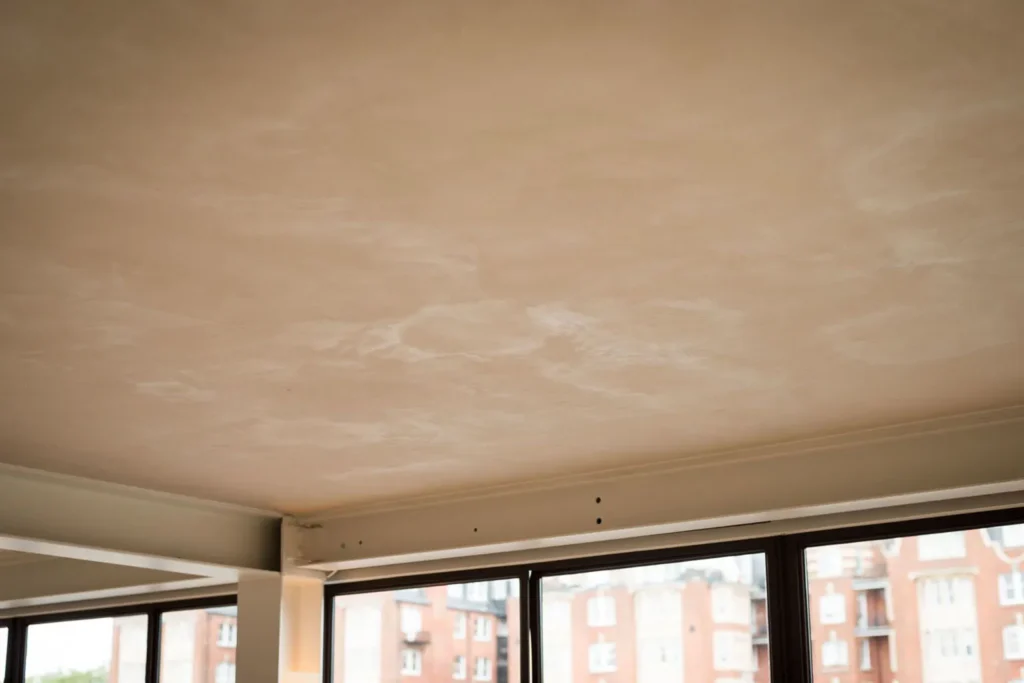
Quality ceiling re-skimming eliminates dated textures and creates fresh, smooth finishes throughout your property. Swirl patterns, stipple coatings, and damaged plaster respond to professional skimming that delivers flat overhead surfaces. Experienced plasterers handle ceiling work efficiently — proper technique, consistent results, lasting quality — rooms transformed by smooth, modern ceilings.

Professional patch skimming restores localised damage without full room replastering. Impact holes, cable chases, and cracked sections respond to targeted repairs that blend perfectly with surrounding plaster. Experienced tradesmen match textures and finishes exactly — patches that disappear completely and save the cost of larger-scale work.
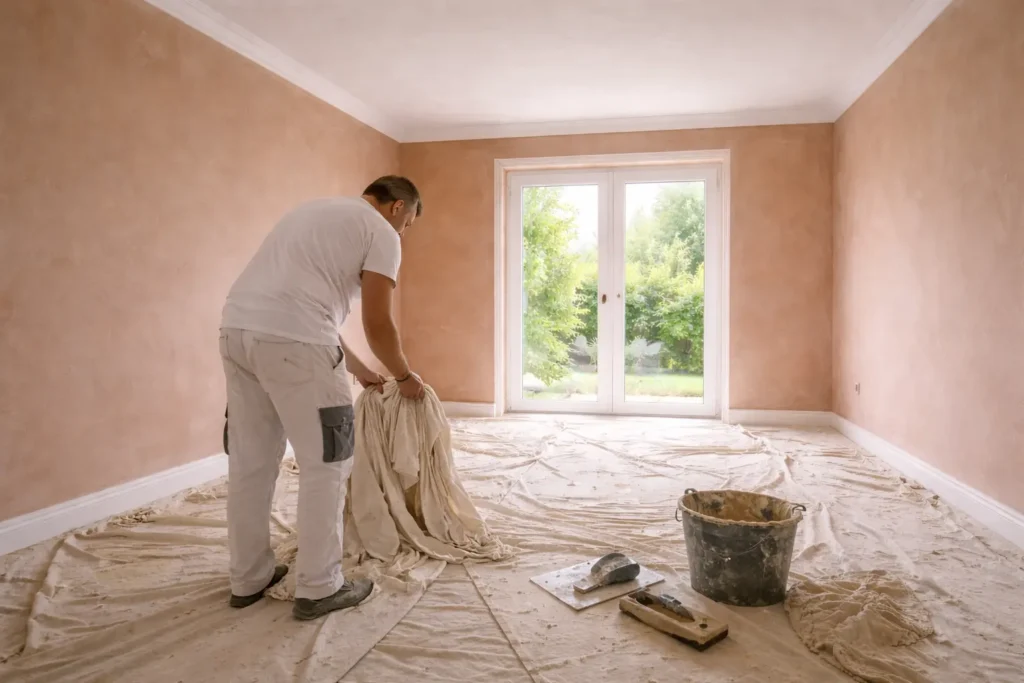
Finishing freshly boarded walls takes specialist skill that professional plasterers apply to extensions and conversions. Taped joints disappear beneath smooth skim coats, creating seamless surfaces ready for paint or paper. Quality preparation and application ensure lasting results — no visible joins, no corner cracking, just flawless finishes that make new spaces feel complete.
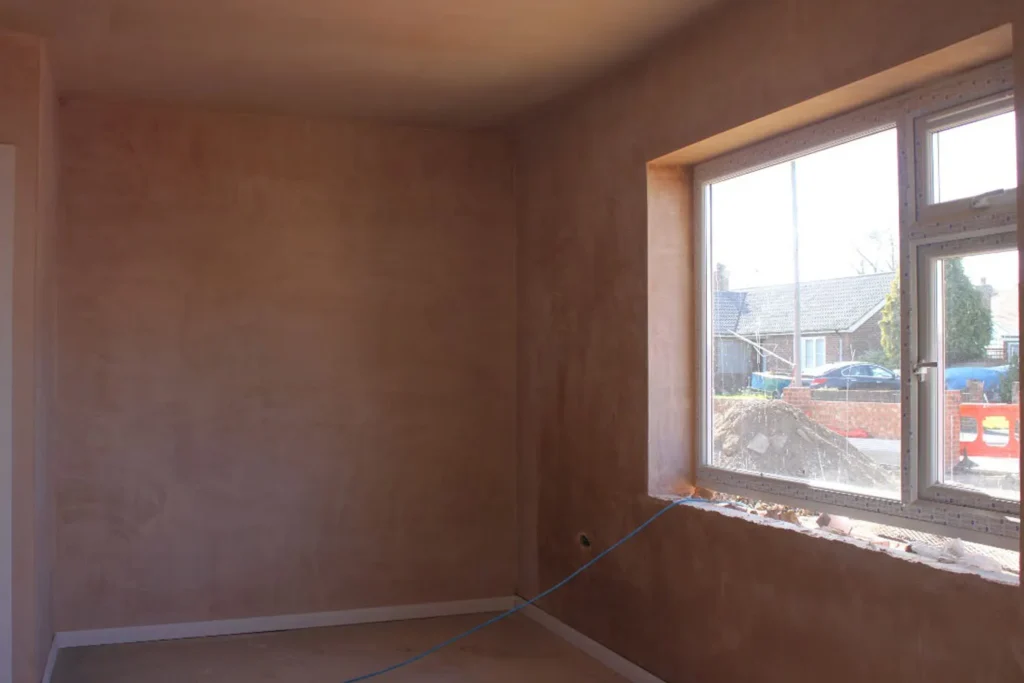
Full room re-plastering delivers complete makeovers with consistent smooth surfaces from floor to ceiling. When walls and ceilings all need work, comprehensive skimming ensures unified finishes throughout — same texture everywhere, seamless results, quality finishing. Skilled tradesmen transform entire rooms efficiently, creating spaces ready for any decorative treatment.
The trowel marks that disappear wet can reappear under paint. Here’s why our finishing technique creates surfaces that stay flat across Malone.
Experience throughout Malone — Malone House, Barnett Demesne, Shaws Bridge — reveals patterns invisible to outsiders. Certain streets always have damp. Specific builders always used weak mixes. Some estates got cheap materials throughout. That knowledge guides preparation.
Blown plaster that sounds hollow, old distemper that kills adhesion, suction differences between old and new surfaces — these problems sink skimming jobs. We identify them first throughout Malone, fixing foundations before applying finishes.
The typical Malone home — victorian villas or edwardian mansions with 3.0m to 3.5m (9.8ft – 11.5ft) ceilings — has walls we’ve skimmed hundreds of times. That repetition builds instinct about what preparation works, what problems to check for, and where shortcuts cause failures.
When you get in touch, you’re talking to the plasterer directly — not a call centre reading prompts. Wall assessment, preparation planning, finishing standards — everything gets discussed with the person who’ll actually transform your surfaces.
Initial chat covers the essentials — current wall condition, work scope, any known problems. The plasterer asks about previous finishes, room usage, and preparation access. Assessment gets booked for convenient mutual timing to inspect surfaces properly before quoting.
Wall inspection includes hands-on assessment — tapping hollow sections, testing suction, checking for blown areas, noting repair history. Preparation needs get explained simply. Pricing reflects genuine surface condition found on site.
Jobs follow proper sequence — prep work, plaster application, finishing technique. Dust sheets go down for surrounding areas. Comprehensive cleanup occurs after completion. You receive practical information about drying requirements, mist coats, and decoration readiness.
Walls and plastering raise plenty of questions — how long it takes, what preparation involves, when you can paint. Here’s the straight answers to what most people ask about skimming.
Standard room skimming typically takes a day on reasonable surfaces. Problem walls needing serious preparation extend timing considerably. Ceiling inclusion adds hours. Surface condition varies hugely between properties — assessment provides accurate scheduling for your specific walls.
Not always — it depends on existing surface condition. Sound plaster that’s firmly attached just needs keying and coating. Blown plaster that sounds hollow when tapped needs removing. Multiple previous coats building thickness sometimes require stripping. Assessment determines what your specific walls need — some skim straight over, others need work first.
Skimming means applying thin finish coats — usually 2-3mm — over existing prepared surfaces. Plastering includes heavier work like base coats on brick, render application, or building thickness. Home re-skimming typically involves thin finish coats over existing plaster, not full plastering systems.
Paint condition affects preparation significantly. Matt emulsion over good plaster takes skim after proper keying. Gloss finishes, silk coatings, or thick paint layers prevent adequate adhesion — typically requiring removal or bonding treatment. Assessment determines your needs.
New skim needs drying time — typically 2-4 days for surface drying, weeks for complete curing. Mist coat first using diluted matt emulsion to seal porous surfaces. Then proper painting follows. Rushing decoration risks adhesion failure and paint defects.
Fill out the form or call now to speak directly to the plasterer covering your area. No call centres, no delays – just clear answers and fast action.
Your details are safe – we only use them to respond to your enquiry
Services extend throughout Malone for quality skimming. Tradesmen who know local walls — the pre-war terraces, inter-war semis, post-war estates — and what each building era needs for proper finishes.