
The foundation for good decoration is properly skimmed walls. Professional plastering throughout Peasedown St John that creates flat surfaces, even coverage, and finishes built to last.
Skimming quotes vary wildly across platforms because pricing depends on who needs the work. You end up comparing apples with oranges while plasterers compete on price rather than quality. One reliable tradesman with fair, consistent rates makes more sense.
There’s a better way to find a plasterer.
Peasedown St John has one reliable skimming specialist assigned. Your call or form reaches them directly — the same person who’ll survey your rooms and deliver flawless finishes without competitive quoting games.
Professional plastering encompasses various skimming scenarios. Patch repairs blending into existing surfaces need precision, full re-skims need consistency, and each job benefits from understanding the surface conditions before work begins.
Check the information below and see if it matches what you’re dealing with. If it does, we’re ready to help — just get in contact. If not, that’s fine — thanks for taking a look.

Flawless wall finishes require professional skimming from tradesmen who understand surface preparation and application technique. Rough walls, patchy repairs, and textured surfaces transform into smooth canvases ready for paint or paper. Quality materials, proper preparation, and skilled application combine to create lasting results — walls that stay flat, take decoration evenly, and look professionally finished.
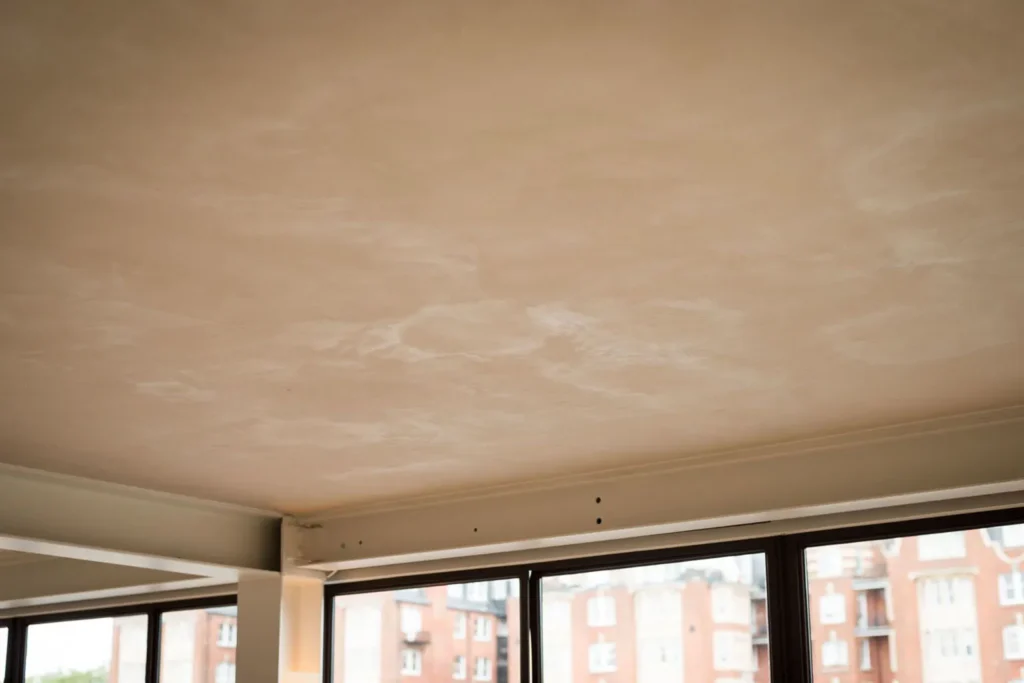
Smooth ceiling skimming removes the textures that date properties and complicate decorating. Stippled finishes, swirl patterns, and rough surfaces transform into flat, contemporary ceilings ready for paint. Professional plasterers work overhead efficiently — consistent coverage, no visible joins, clean finishing — delivering results that modernise rooms and last for years.

Blending plaster repairs requires professional technique that makes patches invisible on finished walls. Damage from various causes — impacts, removed fittings, cables, cracks — gets properly prepared and skim coated to match existing surfaces. Careful feathering and texture matching ensure seamless results ready for any decorative treatment.
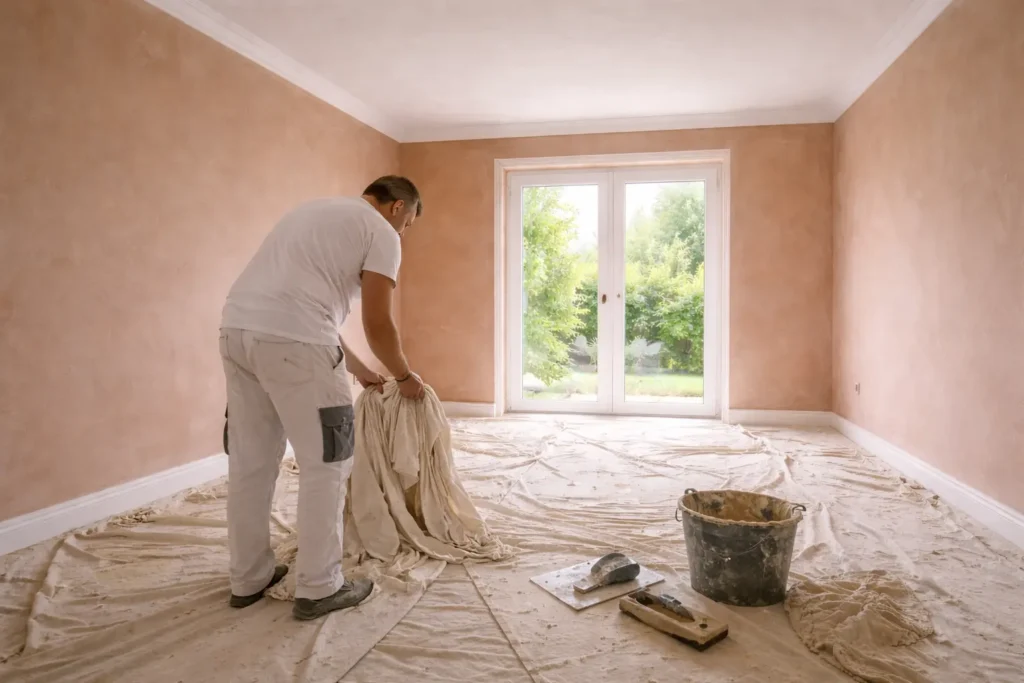
Professional plasterboard plastering finishes new spaces to high standards ready for decoration. Loft conversions, extensions, and new builds need expert joint treatment and skim coating to create smooth, consistent surfaces. Skilled plasterers tape invisibly, apply even coverage, and finish professionally — walls that look right from day one and stay that way.
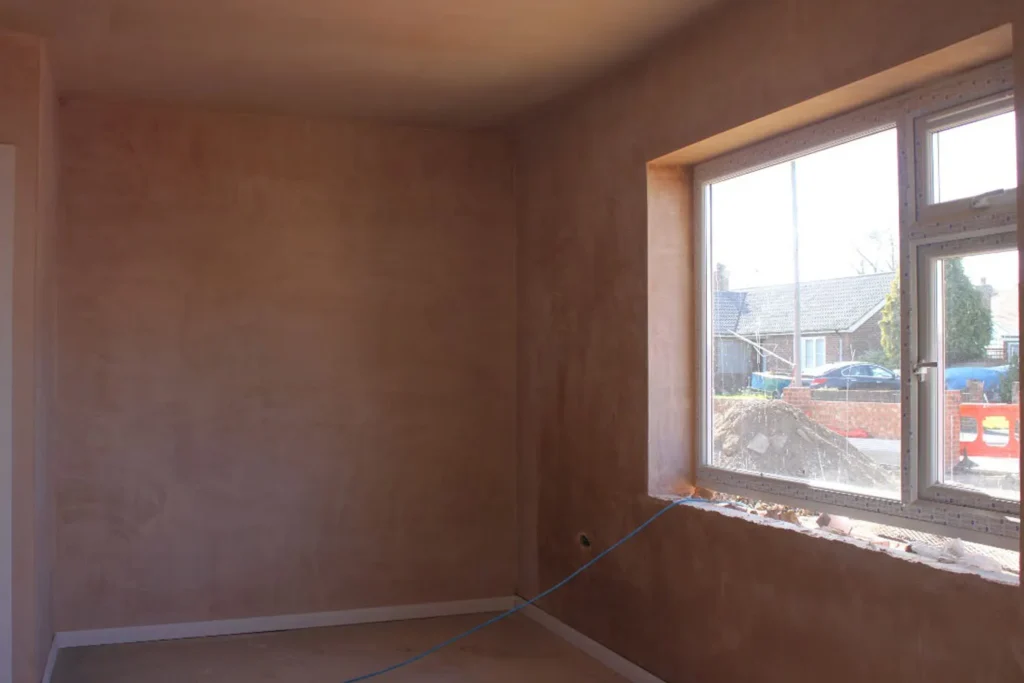
Whole room re-skimming delivers total transformation with consistent professional finishes everywhere. Walls and ceilings receive complete attention — unified textures, even coverage, quality results from floor to ceiling. Experienced tradesmen work systematically, creating smooth surfaces that renew entire rooms and make decorating straightforward.
Cheap skimming costs more when you’re repainting rippled walls a year later. Here’s the detail on our quality-first approach across Peasedown St John.
From solid walls near Oldfield Park Station to cavity construction around Moorland Road and board systems toward Brougham Hayes, we’ve worked on Peasedown St John’s full housing spectrum. That experience builds preparation instincts that speed assessment and prevent mistakes.
New plasterboard drinks moisture unevenly, old lime plaster grabs too fast, painted surfaces reject bonding — preparation solves each problem differently. Skimming success across Peasedown St John starts with understanding what you’re coating.
Properties throughout Peasedown St John are predominantly victorian terraces and edwardian houses, ceilings 2.6m to 2.9m (8.5ft – 9.5ft). Concentrated experience on this housing stock builds deep understanding — not textbook knowledge, but hands-on familiarity with how these specific walls behave.
Your message connects straight to the local plasterer — someone who can talk sensibly about existing surfaces, preparation requirements, and what’s actually involved in achieving smooth walls. No script readers, just trade knowledge.
Discussion focuses on understanding your situation — what the walls look like now, what you want them to become, any previous plastering issues. Assessment gets arranged at suitable timing to check surfaces firsthand before quoting.
Assessment means properly reading your walls — tapping for hollow sections, checking suction rates, identifying previous repairs, spotting potential problems. The plasterer explains what preparation’s needed and why. You get clear pricing based on actual surface condition, not guesswork from photos.
Jobs proceed methodically — surface prep, plaster application, skilled finishing. Protection covers surrounding areas throughout work. Complete tidying follows. You receive practical guidance about drying times, emulsion misting requirements, and decoration scheduling.
Planning wall work means practical questions need answering — what preparation involves, realistic durations, when you can decorate. Clear information below.
Room duration depends on starting conditions. Sound walls in a standard bedroom complete in a day. Add preparation complications, ceiling work, or surface repairs, and timing stretches. Assessment identifies genuine requirements, enabling realistic scheduling.
Not always — it depends on existing surface condition. Sound plaster that’s firmly attached just needs keying and coating. Blown plaster that sounds hollow when tapped needs removing. Multiple previous coats building thickness sometimes require stripping. Assessment determines what your specific walls need — some skim straight over, others need work first.
Skim finishing means thin coats — 2-3mm — applied to create smooth surfaces over existing plaster. Full plastering involves heavier work: base coats on brick, render layers, or building thickness where needed. Most domestic jobs involve skimming existing surfaces rather than complete replastering.
Depends on the paint situation. Thin matt emulsion takes skim after keying preparation. Thick coatings, gloss finishes, or silk paint prevent proper adhesion — usually needing removal or bonding agent application. Assessment identifies requirements for your specific surfaces.
Allow surfaces to dry properly before painting — 2-4 days minimum in ventilated rooms, though complete curing takes 2-3 weeks. Apply mist coat first with watered-down emulsion. Early decoration causes peeling and blistering issues.
Fill out the form or call now to speak directly to the plasterer covering your area. No call centres, no delays – just clear answers and fast action.
Your details are safe – we only use them to respond to your enquiry
Skimming services cover all areas across Peasedown St John. Local expertise in housing stock characteristics, typical wall conditions, and preparation approaches that create smooth results on these specific surfaces.