
Flat finishes that stay flat come from doing things right. Quality skimming across Dearne — correct preparation, proper application, surfaces that take decoration evenly.
Getting clean, smooth walls shouldn’t involve managing a procurement process. The big platforms turn simple skimming jobs into comparison exercises that waste your time. One phone call to a trusted tradesman gets better results faster.
We keep things direct.
One experienced plasterer covers Dearne, and you speak to them directly. No competing quotes, no call centres — just a clean route to the person who’ll skim your walls and deliver smooth, lasting finishes.
Professional plastering encompasses various skimming scenarios. Patch repairs blending into existing surfaces need precision, full re-skims need consistency, and each job benefits from understanding the surface conditions before work begins.
Look through the details below to see if we cover your type of work. If it’s a good match, reach out — we’ll respond quickly. If it’s not our area, no worries — appreciate you stopping by.

Professional wall re-skimming solves surface problems that paint alone can’t fix. Rough textures, visible repairs, and uneven plaster need proper skim coating to create smooth, consistent walls. Skilled tradesmen assess conditions, prepare surfaces correctly, and apply quality finishes that hide imperfections completely — delivering walls ready for any decorative treatment you’re planning.
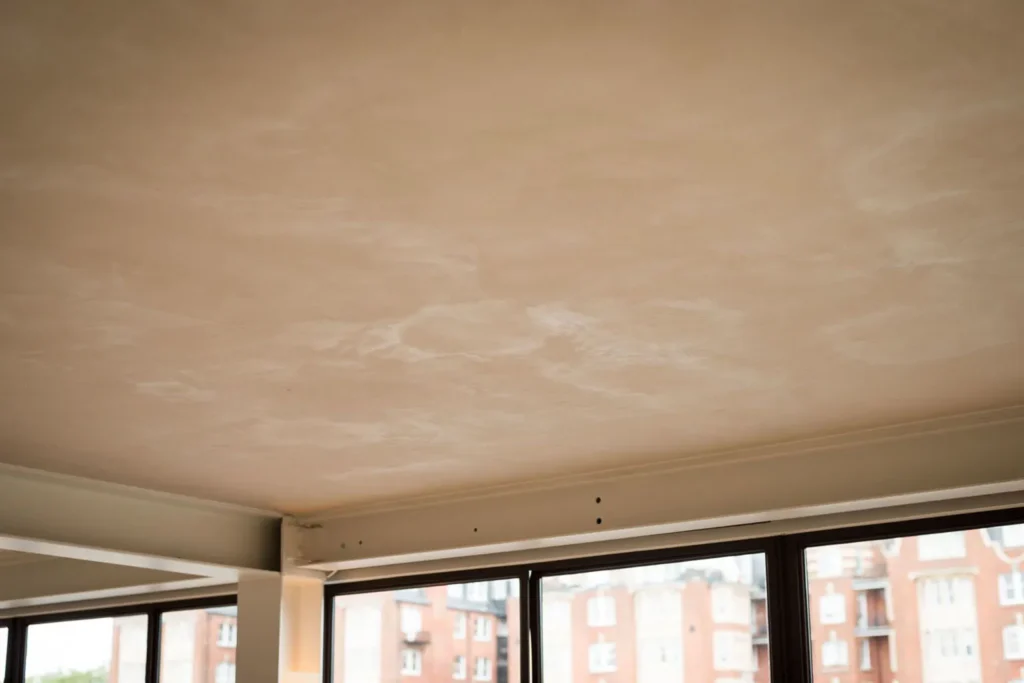
Expert ceiling skimming handles textured surfaces that paint alone can’t fix. Artex patterns, stippled finishes, and rough plaster need professional skim coating to create flat, contemporary ceilings. Skilled tradesmen prepare surfaces correctly, apply even coverage overhead, and finish to high standards — ceilings transformed and ready for decoration.

Quality patch skimming makes damage disappear without extensive replastering work. Cable routes, fixture removal, impact holes, and localised cracking all respond to targeted repairs that blend invisibly. Experienced plasterers match existing textures, feather edges carefully, and finish seamlessly — patches that stay hidden and eliminate the need for larger-scale work.
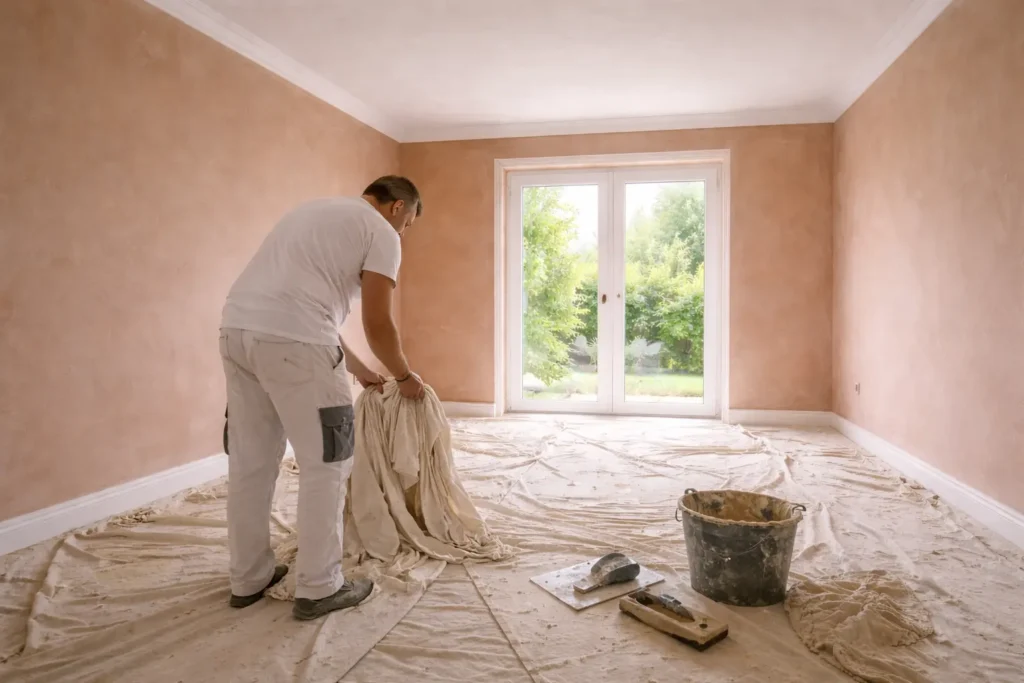
New construction plastering delivers smooth finishes on freshly installed plasterboard throughout your project. Kitchen extensions, loft conversions, and new builds all require professional jointing, taping, and skimming to create walls ready for decoration. Quality preparation and skilled application ensure seamless surfaces that won’t crack or show joints over time.
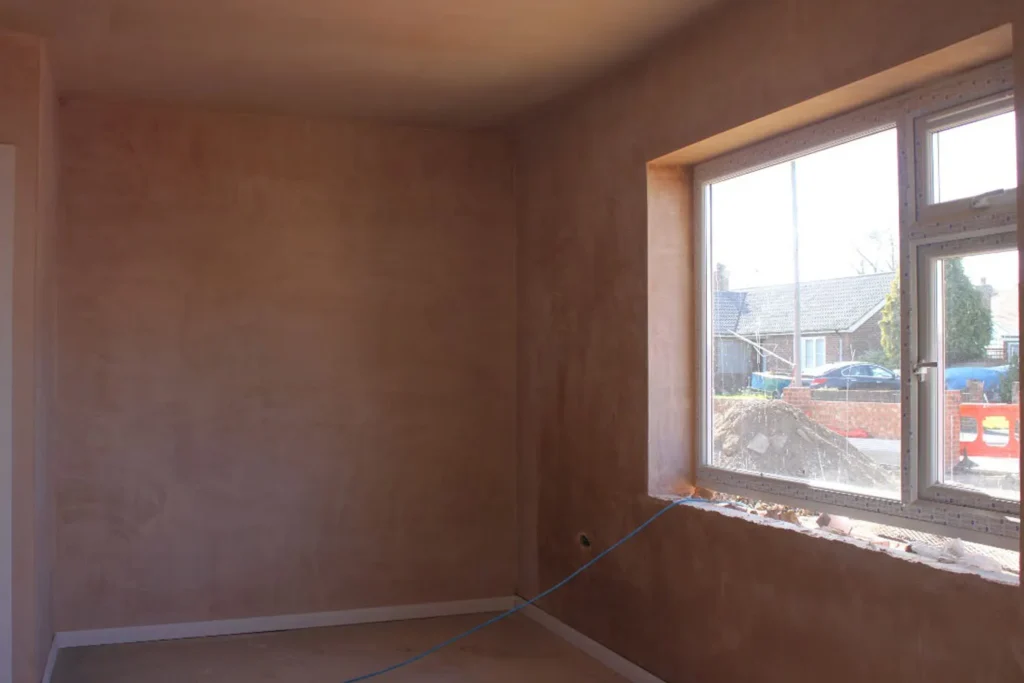
Complete room re-skimming delivers total transformation when walls and ceilings all need attention. Full coverage ensures consistent finishes throughout — no texture variations, no visible joins between old and new work. Experienced plasterers work systematically through each room, creating smooth surfaces that unify spaces and make decorating effortless.
Plastering is a race against drying time — preparation decides whether you win or lose. Here’s our approach to skimming work throughout Dearne.
Plastering from Experience Barnsley Museum to Civic Theatre and across to Market Hill for years teaches you what Dearne walls are actually made of. The Victorian terraces have lime underneath. The inter-war semis have hard pink gypsum. The estates have lightweight board. Each needs handling differently.
Old lime plaster, modern gypsum, fresh plasterboard, patched areas mixing all three — each responds differently to skim coats. Experience across Dearne properties means recognising what we’re working on and adjusting technique accordingly.
Dearne’s housing — predominantly post-war council estates and inter-war semis with 2.4m to 2.5m (7.9ft – 8.2ft) ceilings — has characteristics we’ve learned through repetition. Typical construction, common problems, effective preparation. That focused experience improves every job.
Your call reaches the plasterer who’ll actually skim your walls — not an office worker reading from a script. You discuss surface conditions, room layouts, and realistic timelines with someone who’s spent years reading walls and knows what questions matter.
They’ll want to understand your walls — existing condition, required work, known issues. Based on this, assessment gets scheduled at mutually convenient timing for proper site evaluation and accurate pricing discussion.
On-site evaluation includes systematic checking — surface soundness, absorption consistency, damp presence, repair history. The plasterer explains what preparation involves and why. Quotes based on actual conditions, not hopeful assumptions about hidden problems.
Work follows proper sequence — preparation, first coat, second coat, finishing. Dust sheets protect flooring and furniture throughout. Comprehensive cleanup follows completion. You’ll understand drying stages, mist coat requirements, and realistic timelines for decorating.
Walls and plastering raise plenty of questions — how long it takes, what preparation involves, when you can paint. Here’s the straight answers to what most people ask about skimming.
Standard room skimming typically takes a day on reasonable surfaces. Problem walls needing serious preparation extend timing considerably. Ceiling inclusion adds hours. Surface condition varies hugely between properties — assessment provides accurate scheduling for your specific walls.
Surface condition determines preparation requirements. Solid existing plaster that’s well-bonded can receive skim directly after keying. Blown areas, loose coats, or excessive thickness need stripping. Assessment identifies which walls need what — avoiding unnecessary work while ensuring proper preparation.
Skim coats are thin finish applications — typically 2-3mm — creating smooth walls over existing surfaces. Plastering includes heavier work like base coats, render, or building thickness on bare masonry. Most domestic re-finishing involves skimming rather than complete replastering.
Some can, some can’t — paint type determines approach. Light matt emulsion over sound plaster receives skim after keying. Gloss, silk, or heavy paint coatings create bonding issues — often needing stripping or specialist preparation. Assessment reveals requirements.
Allow proper drying before decoration — typically 2-4 days for surface drying in ventilated rooms, though full curing takes weeks. Apply mist coat first using diluted matt emulsion — this seals porous new plaster for proper paint adhesion. Decorating too early causes problems.
Fill out the form or call now to speak directly to the plasterer covering your area. No call centres, no delays – just clear answers and fast action.
Your details are safe – we only use them to respond to your enquiry
Coverage extends across the whole of Dearne. Quality skimming from plasterers who understand local construction — property ages, original materials, surface types — and what preparation each genuinely requires.