
Rough walls transformed into smooth, paintable surfaces. Proper skimming throughout Quainton — surfaces assessed correctly, prepared thoroughly, finished to standards that show under any light.
The multi-quote model treats skimming like a commodity when it’s actually craftsmanship. Price comparison ignores skill differences that show up in the finish. Direct contact with a quality-focused plasterer gets better walls, not just cheaper quotes.
There’s a better way to find a plasterer.
One reliable plasterer handles skimming across Quainton. Your call or form goes straight to the person who’ll actually do the work at your home — no intermediaries, no quote comparisons, just direct professional contact.
Professional skimming addresses different surface needs. Damaged areas requiring patching need careful blending, full walls need consistent application, and ceilings need appropriate technique — skilled assessment leads to quality outcomes.
Look through the details below to see if we cover your type of work. If it’s a good match, reach out — we’ll respond quickly. If it’s not our area, no worries — appreciate you stopping by.

Smooth wall skimming transforms problem surfaces into professional-quality finishes ready for decoration. Cracks, bumps, old repairs, and textured plaster all disappear beneath expertly applied skim coats. Experienced plasterers prepare surfaces properly, work methodically through each wall, and deliver consistent results — flat, smooth finishes that make decorating effortless and results impressive.
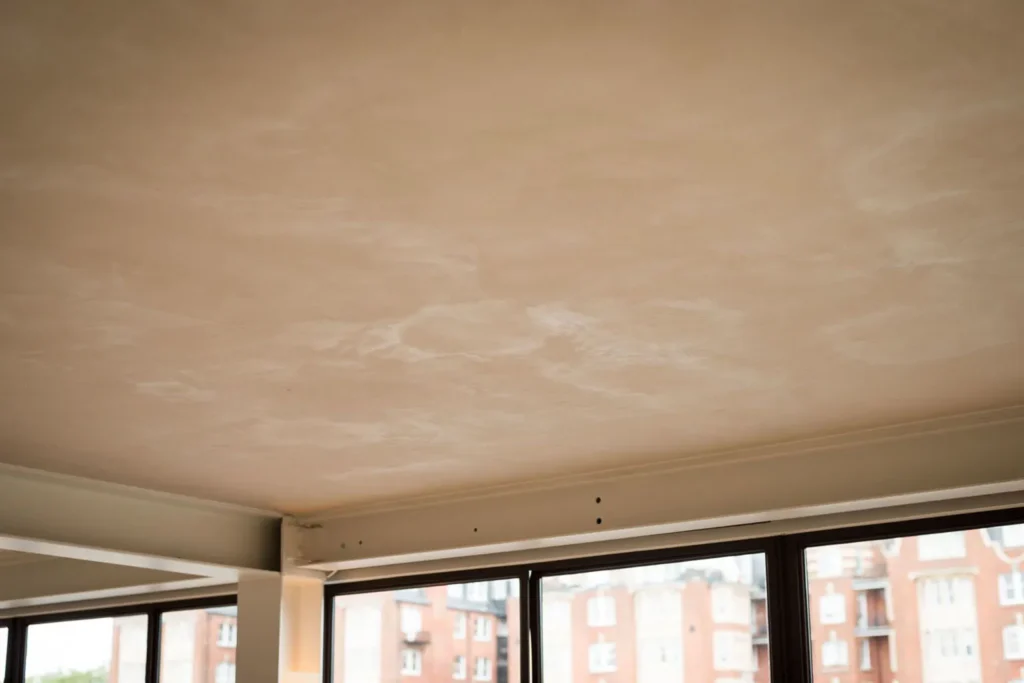
Expert ceiling skimming handles textured surfaces that paint alone can’t fix. Artex patterns, stippled finishes, and rough plaster need professional skim coating to create flat, contemporary ceilings. Skilled tradesmen prepare surfaces correctly, apply even coverage overhead, and finish to high standards — ceilings transformed and ready for decoration.

Quality patch skimming makes damage disappear without extensive replastering work. Cable routes, fixture removal, impact holes, and localised cracking all respond to targeted repairs that blend invisibly. Experienced plasterers match existing textures, feather edges carefully, and finish seamlessly — patches that stay hidden and eliminate the need for larger-scale work.
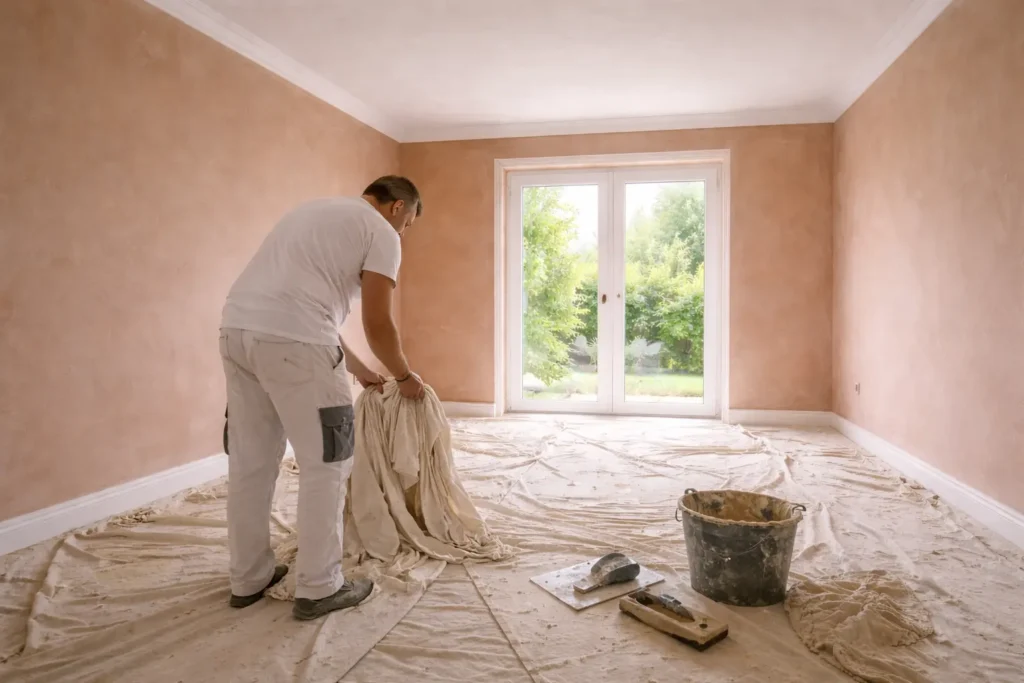
New construction plastering delivers smooth finishes on freshly installed plasterboard throughout your project. Kitchen extensions, loft conversions, and new builds all require professional jointing, taping, and skimming to create walls ready for decoration. Quality preparation and skilled application ensure seamless surfaces that won’t crack or show joints over time.
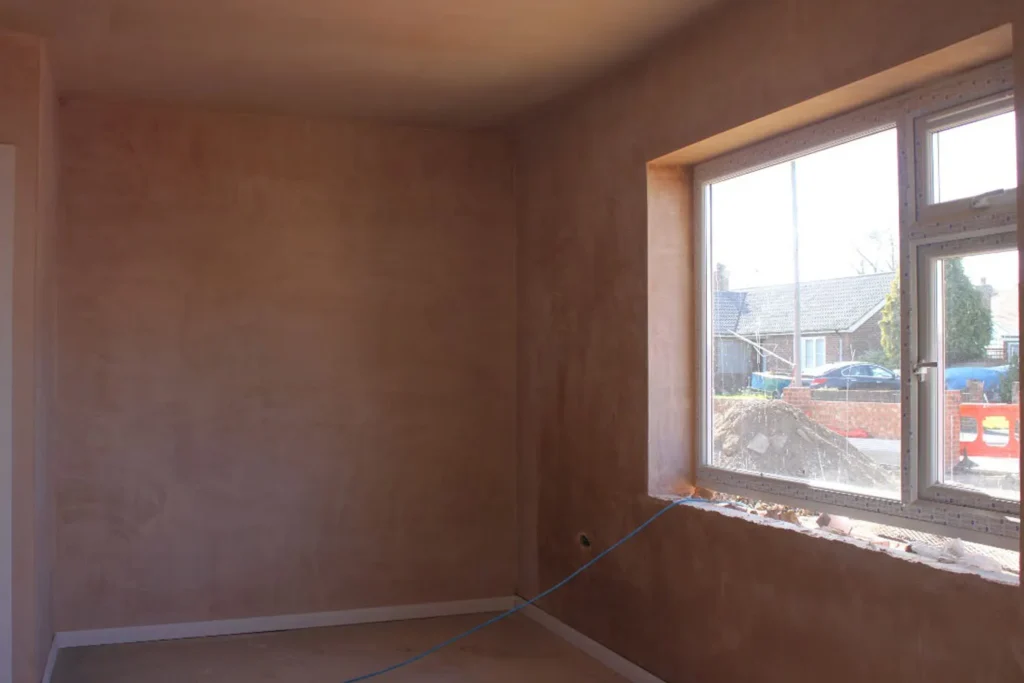
Complete room plastering transforms tired spaces into fresh, modern environments with consistent smooth finishes. Full wall and ceiling coverage ensures unified quality throughout — no mismatches, no patchy repairs, just seamless results everywhere. Skilled plasterers work efficiently, delivering the even finishing that makes decorating effortless and rooms feel completely renewed.
Plastering is a race against drying time — preparation decides whether you win or lose. Here’s our approach to skimming work throughout Quainton.
Experience throughout Quainton — St James Church, The Royal Oak, Church End — reveals patterns invisible to outsiders. Certain streets always have damp. Specific builders always used weak mixes. Some estates got cheap materials throughout. That knowledge guides preparation.
Victorian solid walls with three previous skim coats, 1970s Artex hiding who-knows-what, plasterboard fitted yesterday — all need different approaches. Assessment across Quainton determines preparation, preparation determines finish quality.
Most Quainton homes are period cottages or farmhouses with 2.6m to 2.9m (8.5ft – 9.5ft) ceilings. Working continuously on these property types develops pattern recognition — spotting preparation requirements quickly based on accumulated experience.
When you get in touch, you’re talking to the plasterer directly — not a call centre reading prompts. Wall assessment, preparation planning, finishing standards — everything gets discussed with the person who’ll actually transform your surfaces.
They’ll ask practical questions — what’s on the walls now, how many rooms, any known problems. Assessment timing gets arranged based on availability, ensuring proper site evaluation before providing detailed quotations.
Site visits involve systematic surface reading — checking soundness, testing absorption, identifying weak spots, noting previous repairs. Preparation needs get explained clearly. Pricing matches actual wall condition, not generic estimates.
Plastering gets completed properly — correct preparation, consistent application, careful finishing. Protection covers work areas throughout, and thorough tidying follows. Clear guidance covers drying stages, when emulsion misting should happen, and realistic decoration timelines.
Most people ask similar things before booking — what preparation’s needed, how long work takes, when decorating can start. Direct answers below.
A typical room takes around a day on cooperative surfaces. Wall condition affects timing more than room size — extensive preparation needs stretch schedules significantly. Ceilings add time. Assessment provides realistic duration based on your specific surface condition.
Some walls skim over existing surfaces, others need stripping — condition determines approach. Solid, well-attached plaster just needs keying. Blown areas, failed coats, or excessive thickness require removal. Assessment identifies what’s needed rather than guessing.
Skim coats are thin finish applications — typically 2-3mm — creating smooth walls over existing surfaces. Plastering includes heavier work like base coats, render, or building thickness on bare masonry. Most domestic re-finishing involves skimming rather than complete replastering.
Some painted walls skim directly, others need preparation. Matt emulsion over sound plaster takes skim after keying. Gloss, silk, or heavy paint buildup creates adhesion issues — often requiring stripping or bonding agent application. Assessment identifies what your painted walls specifically need.
Drying varies with conditions. Surface typically ready for mist coating within 2-4 days, full curing extends longer. New plaster needs diluted emulsion first — sealing porous surfaces before proper paint application. Insufficient drying causes failures.
Fill out the form or call now to speak directly to the plasterer covering your area. No call centres, no delays – just clear answers and fast action.
Your details are safe – we only use them to respond to your enquiry
Skimming covers all areas across Quainton. Plasterers who know local walls properly — Victorian lime through to modern board — and what preparation each surface type actually needs.