
Walls you’ll want to show off rather than apologise for. Skilled skimming throughout Chanters — proper preparation, even application, finishes that reflect light evenly.
Skimming is skilled work that deserves a skilled tradesman, not the cheapest bidder from a platform race to the bottom. When quality matters more than saving twenty quid, direct contact with a proven plasterer makes sense.
We work on trusted connections.
One reliable plasterer handles skimming across Chanters. Your call or form goes straight to the person who’ll actually do the work at your home — no intermediaries, no quote comparisons, just direct professional contact.
Wall skim plastering creates the blank canvas every decorator dreams of. Lumpy, bumpy, or damaged walls get transformed into perfectly flat surfaces ready for any finish. Professional plasterers assess existing conditions, prepare surfaces correctly, and apply smooth skim coats that hide imperfections completely — delivering the quality foundation that makes decorating straightforward and results impressive.
Have a look through what we do below. If it matches your walls, contact us and we’ll get it sorted. If it’s not quite right, no problem — thanks for checking.

Re-skimming walls removes years of imperfections and creates fresh, smooth surfaces throughout your property. Old wallpaper damage, filled holes, patchy repairs, and uneven textures vanish beneath professional skim coats applied by skilled tradesmen. Proper preparation, quality materials, and careful technique ensure lasting results — walls that stay smooth, take paint evenly, and look professionally finished for years.
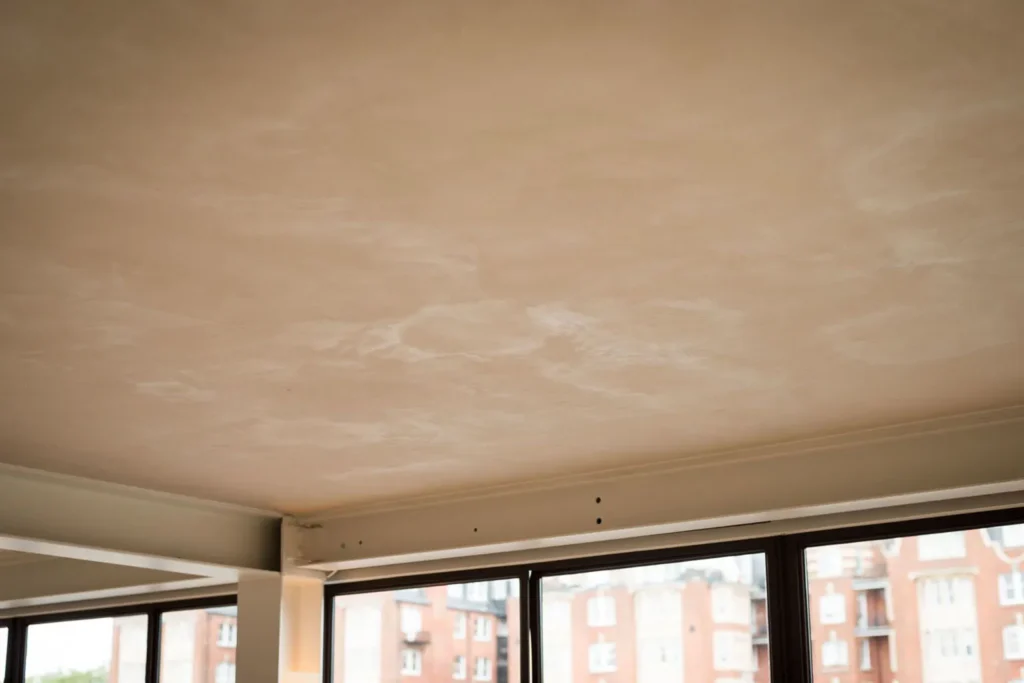
Professional ceiling finishes start with expert skimming that transforms rough or textured surfaces. Outdated Artex, damaged plaster, and uneven areas disappear beneath smooth skim coats applied by skilled tradesmen. Working overhead requires specific technique and experience — delivering flat ceilings that reflect light evenly and make rooms feel fresh.

Professional patch plastering fixes localised damage without the disruption of full re-skimming. Impact holes, cable chases, removed fixtures, and cracked sections respond to targeted repair work that blends invisibly with existing surfaces. Experienced plasterers match textures, feather edges, and finish seamlessly — patches that paint over perfectly and stay hidden permanently.
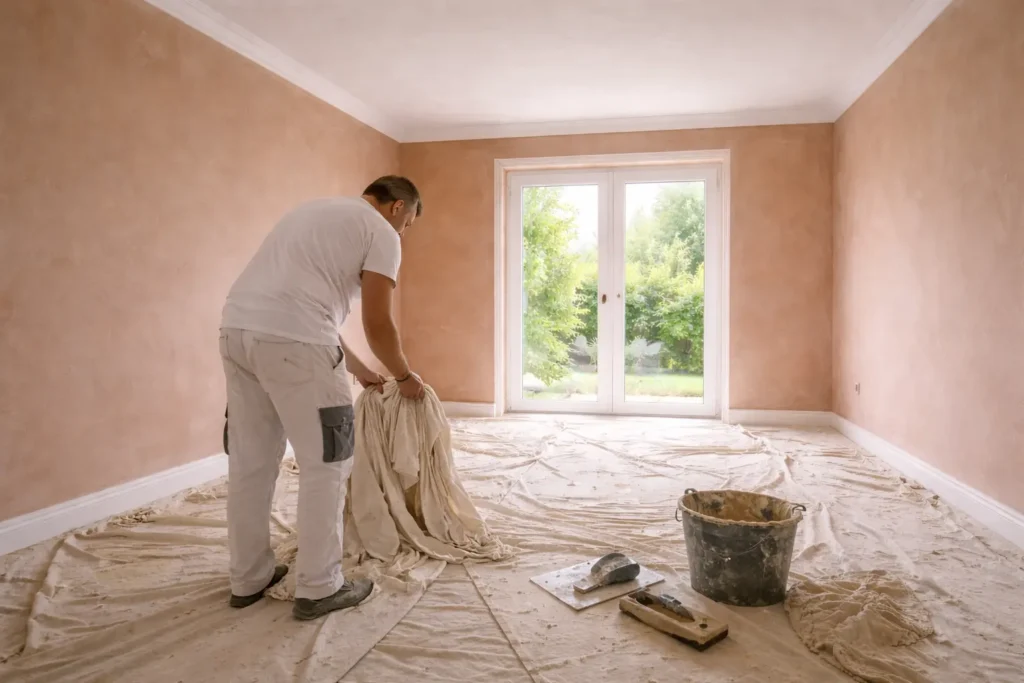
Plasterboard skim finishing creates seamless walls from newly installed boards in extensions and conversions. Professional taping hides joints completely, while quality skim coats deliver smooth surfaces ready for any decorative treatment. Experienced plasterers work methodically — proper preparation, consistent application, clean finishing — transforming raw construction into finished living spaces.
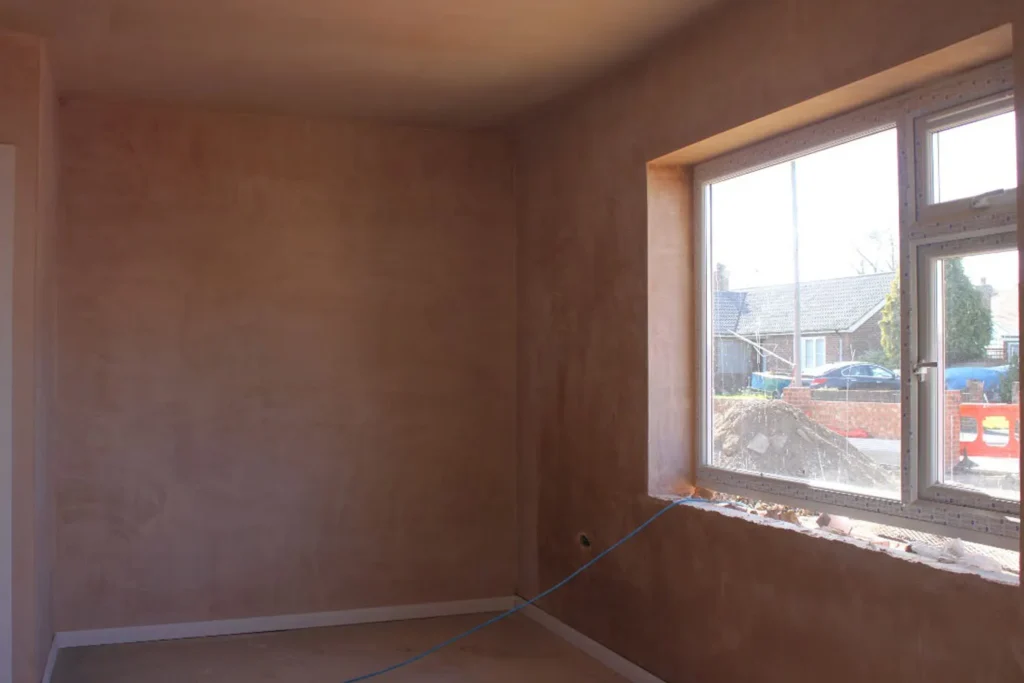
Complete re-plastering transforms whole rooms with consistent smooth surfaces from every angle. Full wall and ceiling skimming ensures unified finishes throughout — same quality everywhere, seamless results, professional standards. Skilled tradesmen work efficiently, delivering even coverage that refreshes entire spaces and simplifies decorating.
Most skimming complaints come six months later when cracks appear. Here’s how we prevent that across Chanters properties.
Experience across Chanters — St John the Baptists Church, Chowbent Chapel, Central Park — builds a mental map of what’s behind the paint. Bay-fronted houses usually mean lath and lime. Pebbledash semis mean sand and cement render. That knowledge speeds up assessment and prevents preparation mistakes.
New plasterboard drinks moisture unevenly, old lime plaster grabs too fast, painted surfaces reject bonding — preparation solves each problem differently. Skimming success across Chanters starts with understanding what you’re coating.
victorian terraced houses and inter-war semis dominate Chanters, usually 2.6m to 2.8m (8.5ft – 9.2ft) to the ceiling. These property types have predictable quirks — common damp spots, typical movement cracks, characteristic construction methods. Knowing them speeds every stage from quote to finish.
Enquiries go straight to the plasterer covering Chanters — no booking team guessing at job requirements. You talk walls, surfaces, and preparation with someone who understands the difference between a quick re-skim and a full strip-back job.
Discussion establishes what you’re working with — existing surface types, room sizes, any issues you’ve noticed. Based on initial information, a site visit gets scheduled to assess walls properly, identify preparation needs, and provide accurate pricing.
Assessment involves reading walls professionally — tapping, testing, checking, noting. The plasterer identifies preparation requirements and explains them plainly. Quotes reflect actual surface condition rather than optimistic estimates from phone descriptions.
Work gets completed to standard — proper preparation stages, quality application, careful finishing technique. Dust sheets go down, cleanup follows completion. You’ll know about drying requirements, mist coat application, and when surfaces are ready for full decoration.
Before plastering starts, most people want the same information — preparation, timelines, decoration timing. Here’s the clear, simple detail.
Room duration depends on starting conditions. Sound walls in a standard bedroom complete in a day. Add preparation complications, ceiling work, or surface repairs, and timing stretches. Assessment identifies genuine requirements, enabling realistic scheduling.
Surface condition determines preparation requirements. Solid existing plaster that’s well-bonded can receive skim directly after keying. Blown areas, loose coats, or excessive thickness need stripping. Assessment identifies which walls need what — avoiding unnecessary work while ensuring proper preparation.
Skim coats are thin finish applications — 2-3mm — creating smooth surfaces over existing plaster. Plastering covers broader scope including base coats, render application, depth building on masonry. Most domestic work involves re-skimming rather than complete replastering.
Paint type and condition determine approach. Light matt emulsion on sound plaster can take skim after keying. Heavy paint buildup, gloss finishes, or silk coatings cause bonding problems — typically requiring stripping or bonding coat application. Assessment identifies what preparation your painted surfaces need.
New skim needs drying time — typically 2-4 days for surface drying, weeks for complete curing. Mist coat first using diluted matt emulsion to seal porous surfaces. Then proper painting follows. Rushing decoration risks adhesion failure and paint defects.
Fill out the form or call now to speak directly to the plasterer covering your area. No call centres, no delays – just clear answers and fast action.
Your details are safe – we only use them to respond to your enquiry
We cover skimming work across the complete Chanters region. Tradesmen familiar with local properties — building eras, typical conditions, surface behaviours — delivering finishes that suit these walls.